November 18, 20268 min read16 sections
15 Healthcare And Life Sciences Companies Connecting Data With Daily Work In 2027
By Fame Team
Key Takeaways
- Healthcare innovation has to fit the work around it: research data must be usable by scientists, clinical tools must fit professional workflows and patient communication must reach the right person.
- The 15 profiles are alphabetical, unranked and not clinical recommendations or comparisons of medical effectiveness.
- Any assessment of a clinical product requires the relevant evidence, intended use and local requirements.
- A useful starting question is what must change in daily work for the technology to be useful, and what evidence fits the intended setting.
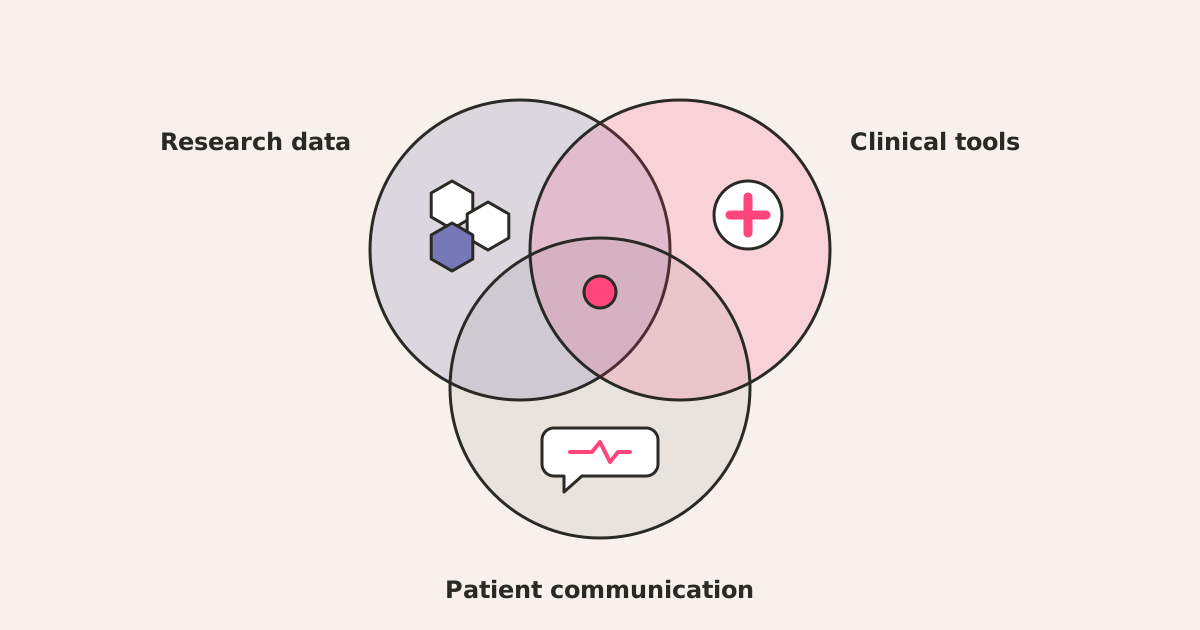
Healthcare innovation has to fit the work around it. Research data must be usable by scientists; clinical tools need to fit professional workflows; and patient communication has to reach the person who needs it. These are related challenges, even when the organisations addressing them sell to different buyers.
This article introduces 15 companies across healthcare and life sciences, arranged alphabetically without rankings. The profiles describe their areas of work and offer questions for 2027 planning. They are not clinical recommendations or comparisons of medical effectiveness. Any assessment of a clinical product requires the relevant evidence, intended use and local requirements.
1. Atropos Health
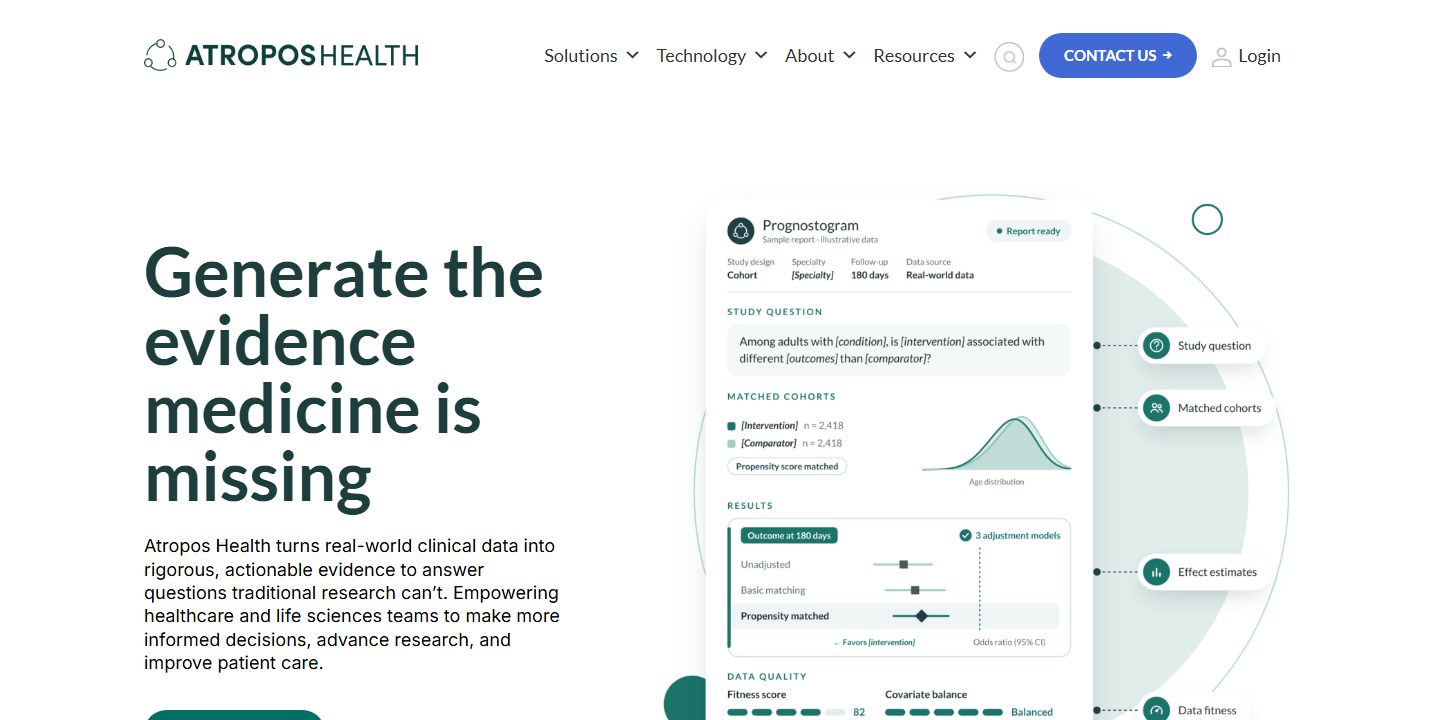
Atropos Health develops tools for generating real-world evidence from clinical data. Its work is relevant when a healthcare or life sciences team has a question that cannot be answered directly by the research already available to it. The important discussion concerns how that question is framed and which information can support an appropriate analysis. Evidence generation requires attention to the population, methods and limits of interpretation, alongside the speed at which an answer can be produced.
Question for 2027 What information must accompany a real-world analysis so a clinical or research team can judge its relevance to their question?
2. Blooming Health
Blooming Health provides an engagement platform for organisations connecting people with care and social support. It uses communication and automation to help teams reach individuals across different channels and languages. That work highlights a practical access problem: a service may exist, but the person who needs it may not receive or understand the next step. Health and community organisations can examine how they know whether outreach reached someone and how an unanswered message becomes a task for staff.
Question for 2027 How should a care or community team respond when a person does not engage with an important message about available support?
3. Carterra
Carterra develops instruments and technology for studying molecular interactions, including high-throughput surface plasmon resonance. Its tools are used in discovery and characterisation work where researchers need more than a simple indication that molecules interact. The questions concern the type and quality of the measurements, and how those results guide subsequent experiments. For life sciences teams, this makes experimental design and the connection between a measurement and a research decision useful subjects for discussion.
Question for 2027 Which interaction measurements would help a research team choose its next experiment, rather than simply produce more data?
4. EnsoData
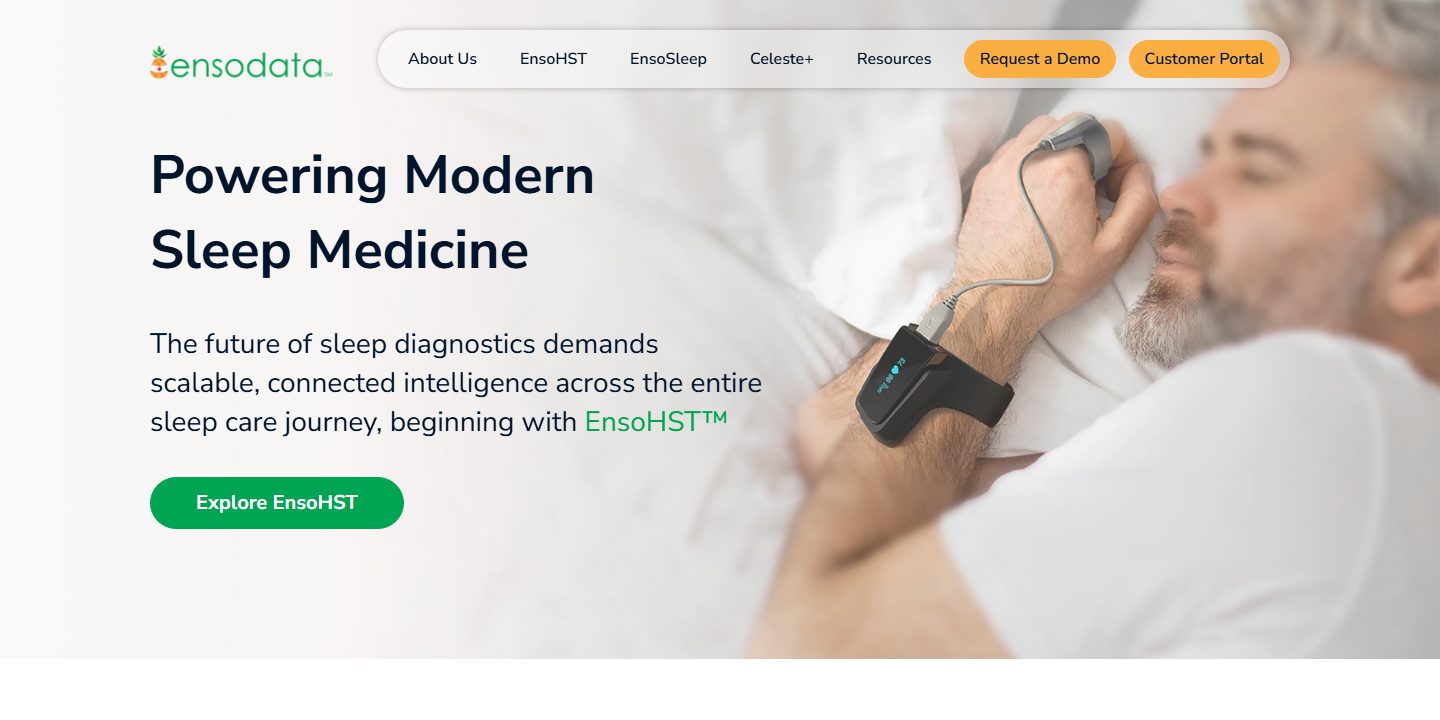
EnsoData develops AI-enabled technology for sleep medicine, with products supporting testing, analysis and the wider sleep care journey. Its work sits within a workflow shared by clinicians, technicians and operational teams. A useful evaluation examines how a result moves through that workflow and which tasks require professional interpretation. For organisations considering new diagnostic technology, integration, exception handling and the intended setting of use are important parts of the conversation alongside the underlying analytical capability.
Question for 2027 How should a sleep care team organise review and follow-up when AI becomes part of its testing and analysis workflow?
5. Healthie
Healthie provides practice management and electronic health record software for health and wellness providers. Its platform connects operational and care-delivery tasks that can otherwise require separate tools. That makes it useful to look at a complete working day rather than a single feature demonstration. Providers need to understand how information moves from scheduling and intake into documentation, billing and ongoing engagement, and where staff still have to repeat work or reconcile inconsistent records.
Question for 2027 Which handoff in a provider’s daily workflow creates the most repeated effort, and what would a connected system need to preserve?
6. Inovaare
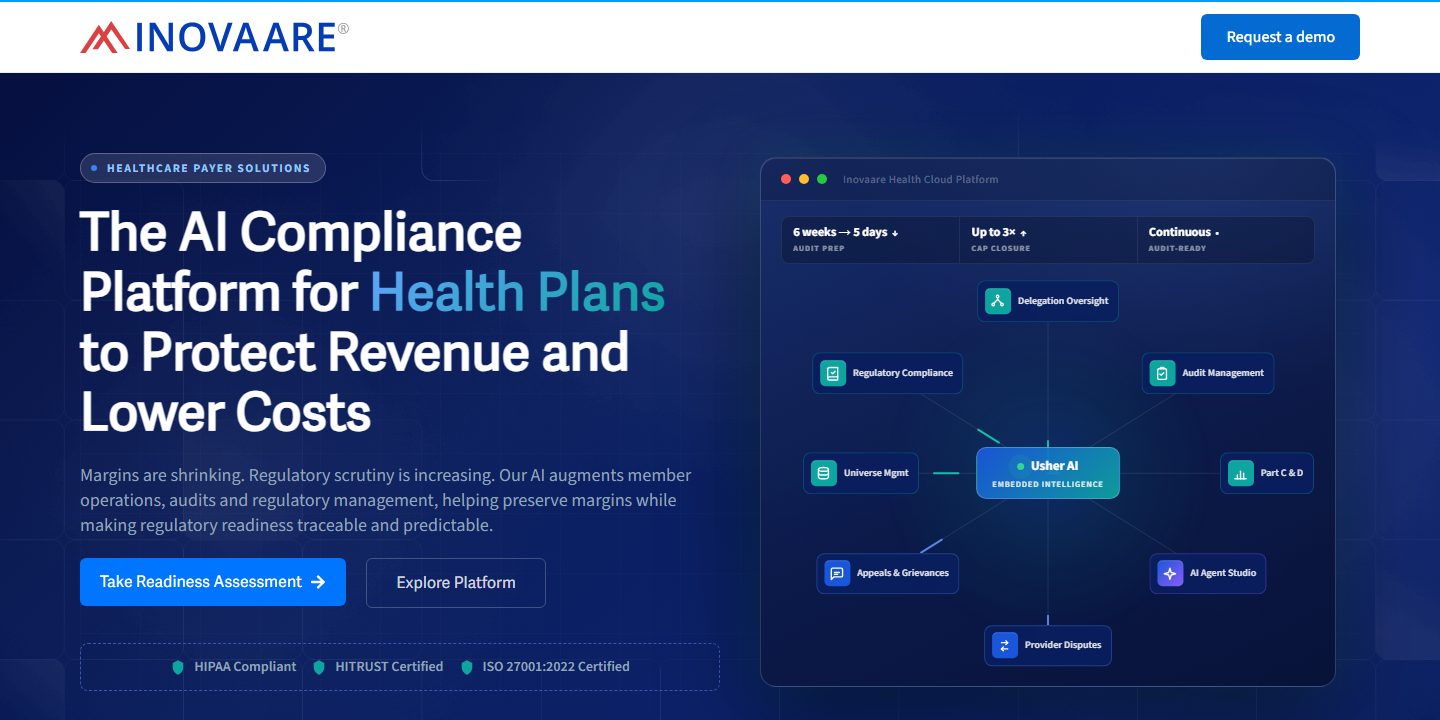
Inovaare develops software for health plan compliance and operations, including regulatory management, audits and member-related workflows. Its area of work illustrates the relationship between a policy requirement and the operational evidence needed to demonstrate that it was followed. A health plan may have the relevant information spread across teams and systems. A useful discussion asks how a requirement becomes a repeatable task, who owns an exception and how supporting records will be retrieved for review.
Question for 2027 How can a health plan turn a regulatory requirement into a traceable workflow that staff can apply consistently?
7. Labviva
Labviva provides a purchasing platform for life sciences organisations, connecting researchers, laboratory operations and procurement teams. Its software integrates with enterprise procurement systems and works with supplier and purchasing information. The useful discussion concerns the gap between what a scientist needs for an experiment and how the organisation buys it. Teams can examine how they balance choice, spend visibility and approval requirements without losing the product information required to order an appropriate item.
Question for 2027 What purchasing information should be visible to a researcher at the moment they choose a laboratory product?
8. NeuroKaire
NeuroKaire works on precision medicine in psychiatry and neurology, using patient-derived cellular information to study responses to medication. Its work includes supporting antidepressant treatment selection and pharmaceutical research. This is a setting where the explanation of a test’s intended use matters greatly. Clinicians and researchers need to distinguish what a result is designed to inform from what it cannot establish, and to understand the evidence relevant to the patient population or research question involved.
Question for 2027 What would a clinician need to understand about a test’s evidence and limitations before incorporating it into a treatment discussion?
9. Nuritas
Nuritas combines AI and biological research to discover bioactive peptides from natural sources and develop ingredients for commercial partners. Its work links computational discovery with laboratory investigation, validation and ingredient development. That makes the route from a promising candidate to a product a useful subject. Research and brand teams need a shared understanding of which findings support a particular use, what further work is required and how the resulting evidence should be communicated.
Question for 2027 How should a product team distinguish an interesting discovery from evidence that supports a specific ingredient application?
10. Oneview Healthcare
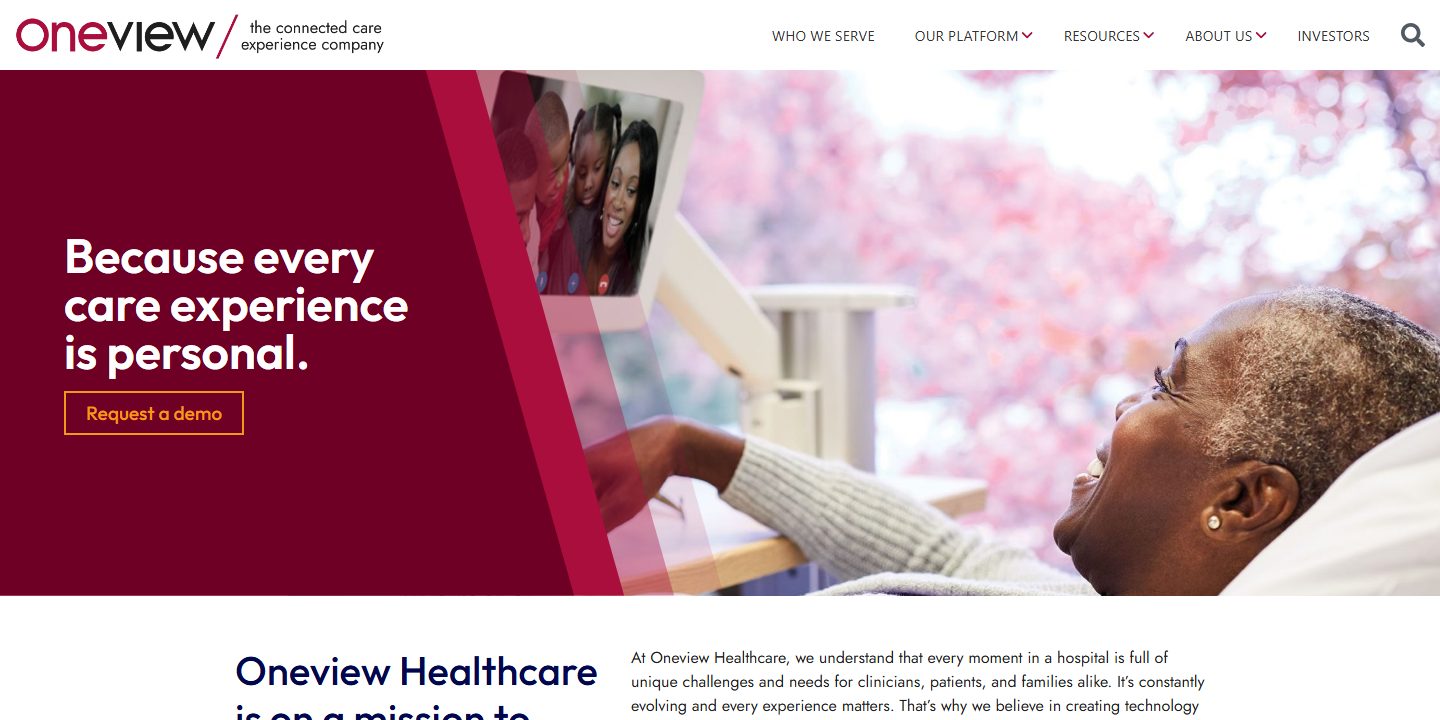
Oneview Healthcare develops connected care and patient engagement technology for hospital environments. Its work brings together the information and interactions experienced by patients, families and care teams. A useful discussion begins with the circumstances of a hospital stay: people need understandable information, ways to communicate and appropriate support. Hospitals evaluating these tools can examine how they fit clinical workflows and how a digital request will reach the person able to respond to it.
Question for 2027 How should a hospital connect a patient’s digital request with the right care-team workflow without creating another unattended queue?
11. ScreenPoint Medical
ScreenPoint Medical develops Transpara, AI technology for breast imaging and mammography workflows. Its products are intended to support imaging professionals rather than replace the need for clinical judgement. The relevant discussion includes how a system fits the acquisition and reading environment, how findings are reviewed and which evidence applies to the intended use. For imaging organisations, workflow design and professional understanding are essential parts of assessing a technology alongside its documented performance.
Question for 2027 What must an imaging team establish about workflow, review and intended use before introducing an AI tool into screening practice?
12. TetraScience
TetraScience develops a scientific data and AI platform for life sciences organisations. Its work focuses on making information from laboratory instruments and applications usable across scientific workflows. That is a foundational issue for teams exploring AI: a model cannot compensate for every inconsistency in how experimental data is captured and understood. Researchers and data teams can examine which context must accompany a result and how information can remain usable when tools or analytical methods change.
Question for 2027 Which experimental context must travel with laboratory data so it remains useful for a different researcher or a later AI application?
13. Verily

Verily develops technology for precision health, including a governed platform for data, analytics and AI alongside solutions for research and care. Its work connects the information problem with the workflow through which that information becomes useful. Health and life sciences organisations can examine how data permissions, interpretation and deployment responsibilities fit together. A useful evaluation starts with the specific research or care task and the requirements that apply to the information used in that setting.
Question for 2027 How will a health organisation preserve the context and permitted use of data as it moves from research into an operational workflow?
14. Volta Medical
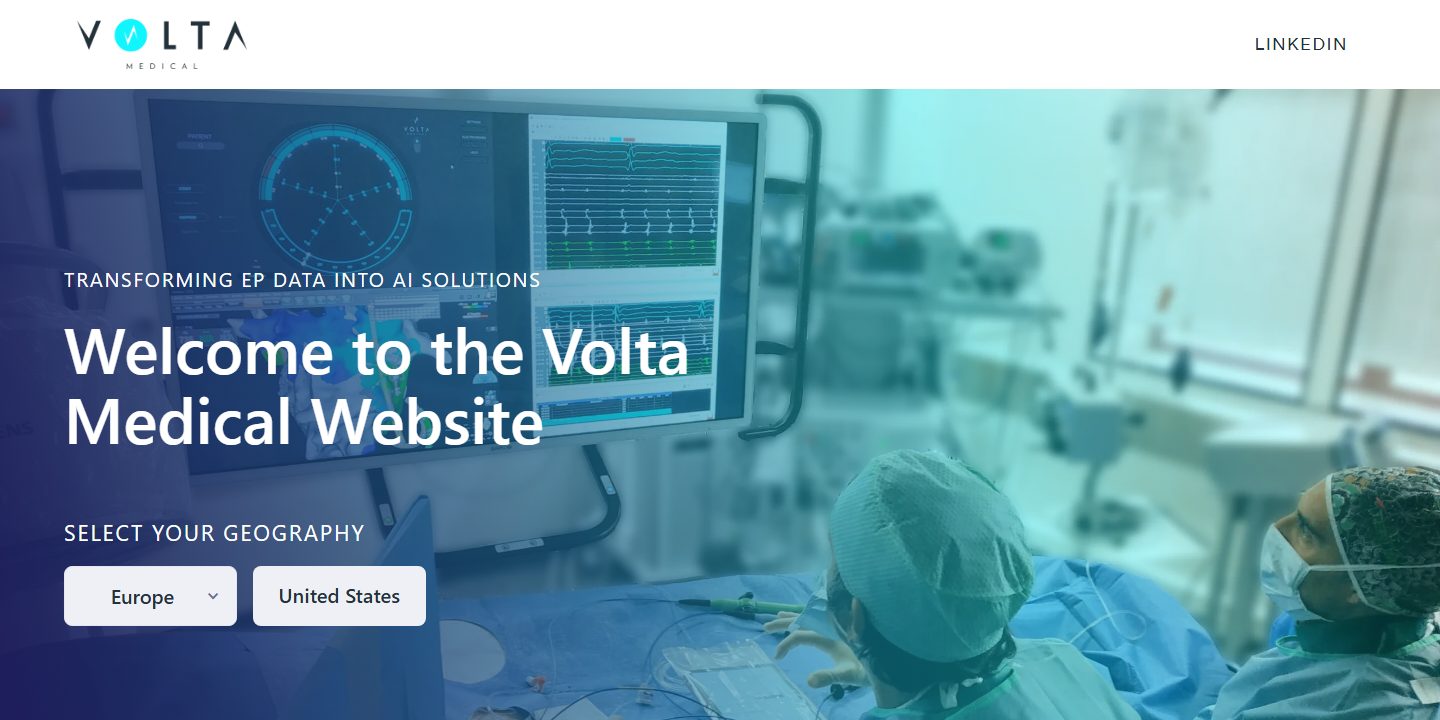
Volta Medical develops AI software to assist electrophysiology teams working with cardiac arrhythmias. Its technology analyses cardiac signals within a specialist clinical workflow. That makes the relationship between an analytical output and a clinician’s interpretation central to a useful discussion. Hospitals evaluating this kind of technology need to understand the intended use, applicable evidence and integration requirements. Training and the way a team handles uncertain or unexpected results also deserve attention during an assessment.
Question for 2027 What training and review arrangements would help a specialist team interpret an AI-assisted signal within its existing clinical workflow?
15. Wheel
Wheel provides infrastructure and services for virtual care and enterprise care orchestration. Its work connects digital entry points with the clinical expertise and operational arrangements needed to deliver care. This highlights a common gap in a healthcare journey: identifying a need and completing the next appropriate action are different tasks. Organisations can examine who is responsible for each handoff, what information needs to accompany it and how they will know whether the person received the intended service.
Question for 2027 How should a digital health journey track whether a recommendation led to an appropriate and completed care interaction?
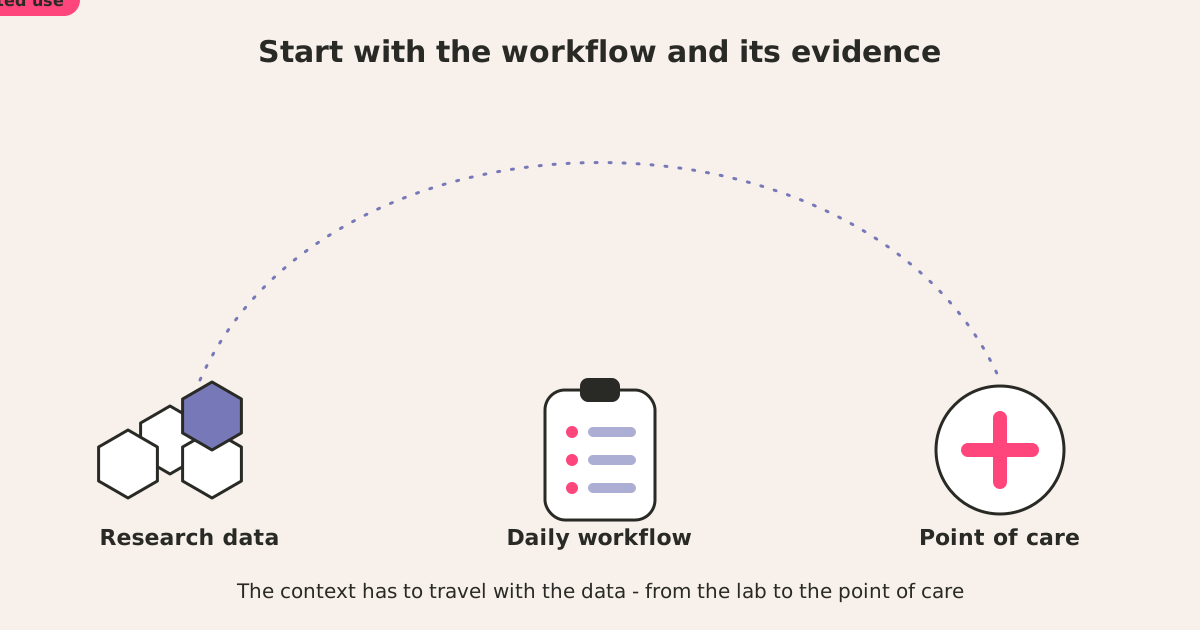
Start with the workflow and its evidence
The same question can be useful across very different products: what must change in daily work for this technology to be useful? Researchers, clinicians, operations teams and patients may give different answers. A productive discussion brings those perspectives together and separates an appealing demonstration from evidence that is relevant to the intended setting.
Want to turn your team’s expertise into regular conversations with your buyers? Explore Fame’s B2B podcast services.
Want us to run this for you?
Fame starts and grows B2B podcasts that generate pipeline. Tell us who you are trying to reach and we will send a costed proposal within 1 working day.