November 18, 20268 min read16 sections
15 Financial And Insurance Technology Companies Working on Better Decisions In 2027
By Fame Team
Key Takeaways
- Financial and insurance decisions carry consequences long after a transaction, so the evidence and responsibilities behind them need to be clear.
- The 15 companies work on different parts of the decision process, including the information, workflows and customer interactions around it.
- Entries are alphabetical with no scores or rankings; each includes a question to frame 2027 priorities.
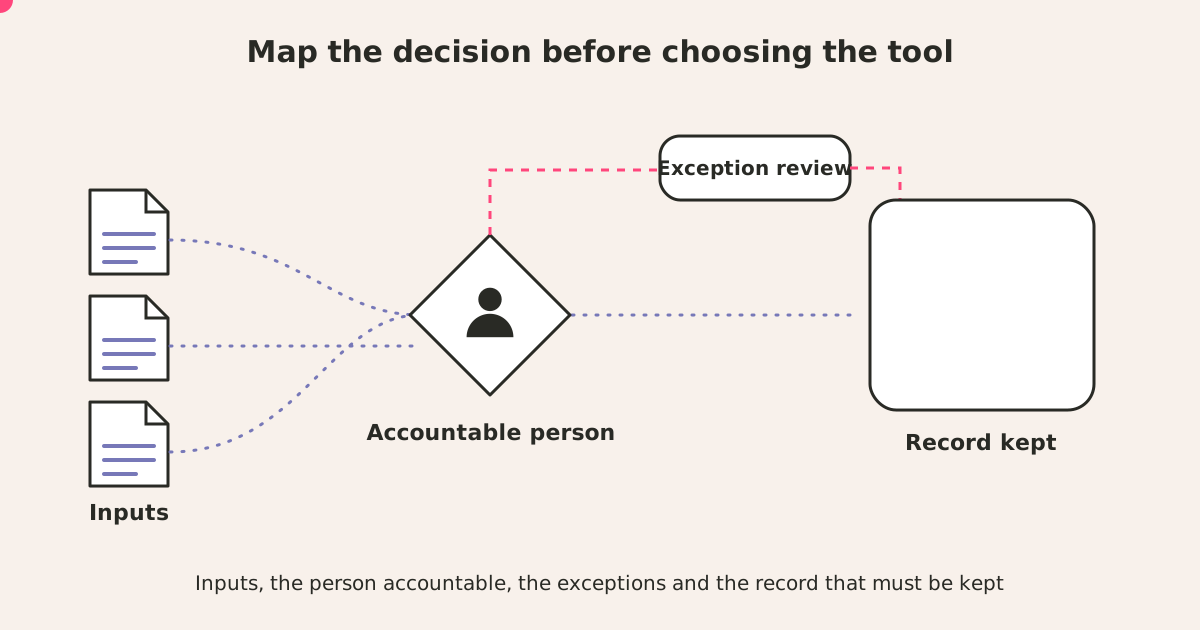
- Before evaluating a tool, map the decision it supports: the inputs, the accountable person, the exceptions and the record that must be kept.
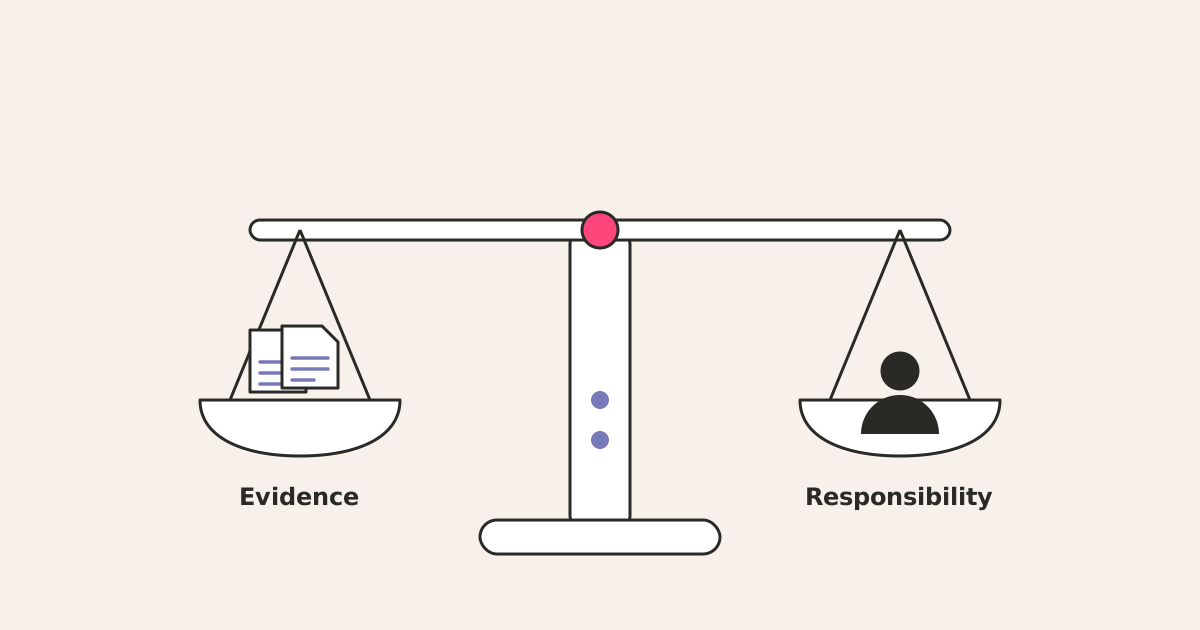
Financial services decisions carry consequences long after a transaction is complete. A lender must understand the information behind an application. An insurer needs a view of risk. A compliance team has to explain why an activity was reviewed and what happened next. Better software can support those tasks, but the evidence and responsibilities still need to be clear.
The 15 companies below work on different parts of that decision process, including the information, workflows and customer interactions around it. Entries are alphabetical, with no scores or ranked positions. Each includes a question to help banking, insurance and risk teams frame a useful conversation about their 2027 priorities.
1. Behavox
Behavox develops an AI-native platform for communications surveillance, archiving and controls. Its work helps frame compliance as a connected process: information is retained, potential issues are investigated, and decisions need a defensible record. For financial organisations, the challenge is not simply identifying something unusual. Teams also need clarity about the policy being applied, the reviewer responsible and the evidence available later. That makes workflow design and the explanation of decisions central to a useful evaluation.
Question for 2027 How can a compliance team preserve the reasoning behind an investigation as information moves from detection to review and resolution?
2. Clear Capital

Clear Capital provides property valuation, analytics and technology for real estate finance. Its products combine information about properties with the workflows used to assess collateral. This is a useful setting for discussing how automation and professional judgement interact: a lender needs to understand both the information presented and the limits of what it can establish. Teams considering new valuation tools can examine how unusual properties, incomplete information and review requirements will be handled.
Question for 2027 Which property valuation exceptions should trigger specialist review, and how will the reason for that review be recorded?
3. Clearspeed
Clearspeed develops voice-based risk assessment technology used in settings that include insurance and other trust-sensitive decisions. The company’s work invites a careful discussion about how a signal enters a wider assessment process. Organisations need to establish what a tool is intended to inform, how a person will review its output and what other evidence remains necessary. For buyers, the design of follow-up and exception handling is as relevant as the technology used to identify a case for attention.
Question for 2027 How should an organisation use a risk signal to guide further review while keeping responsibility for the final decision clear?
4. CyberCube

CyberCube supplies cyber risk analytics for insurers, brokers and other organisations assessing financial exposure to cyber events. Its work connects technical risk with insurance and portfolio decisions. That creates a communication challenge: different stakeholders may need to understand the same uncertainty in different ways. A useful discussion considers the assumptions behind a model, the information available about an organisation and how results will support a decision about underwriting, coverage or aggregate exposure.
Question for 2027 How should an insurance team communicate uncertainty in a cyber risk model when making an underwriting or portfolio decision?
5. Enento Group

Enento Group provides digital business and consumer information services in the Nordic region. Its information supports tasks including credit decisions, risk management, compliance and customer understanding. That range makes data use a practical operating question: information collected for one purpose may need a different context or control when used for another. Financial services teams can examine how they assess the relevance, freshness and permitted use of an external information source before building it into a recurring decision process.
Question for 2027 How will a financial organisation decide whether an external information source is appropriate for a particular customer or risk decision?
6. Flinks
Flinks connects bank data, financial intelligence and payment capabilities for financial institutions and other businesses. Its platform sits within journeys such as customer verification, financial assessment and moving money. Those activities are closely related for a customer, but may be handled by separate operational systems. A useful evaluation examines where manual steps remain, what information a team can rely on and how exceptions will be passed between the people responsible for the end-to-end journey.
Question for 2027 Where does a financial onboarding journey lose context when verification, risk assessment and payment operations sit in different systems?
7. INSTANDA
INSTANDA provides no-code insurance software for carriers and managing general agents. Its area of work includes configuring and operating insurance products without treating every change as a separate conventional development project. That makes the relationship between business flexibility and control worth examining. Insurers need to decide who can make a change, how its effects will be tested and what record will show which version of a product or rule applied at a particular time.
Question for 2027 How can an insurer give business teams more control over product changes while preserving testing, approval and a clear history?
8. Moody's

Moody’s provides ratings, research, data and analytical tools across financial and business risk. Its work spans several audiences, including organisations assessing counterparties, economic conditions and financial crime exposure. The breadth makes context important: a piece of information is useful only when the team understands the question it supports. For financial organisations, a productive discussion asks how external intelligence is combined with internal evidence and how uncertainty is communicated to the person making a decision.
Question for 2027 How should a team combine external risk intelligence with its own information without losing sight of the assumptions behind either?
9. Ocrolus
Ocrolus develops AI-enabled document analysis, workflow and analytics for lenders. Its tools work with the financial documents and information used during underwriting, including identifying potential document manipulation. This highlights a problem that is easy to overlook in an automated process: the quality of the input shapes everything that follows. Lending teams can examine how a document is interpreted, when a result needs review and how an underwriter can inspect the evidence behind a finding.
Question for 2027 What should an underwriter be able to inspect when an automated document review flags a potential issue?
10. Personetics
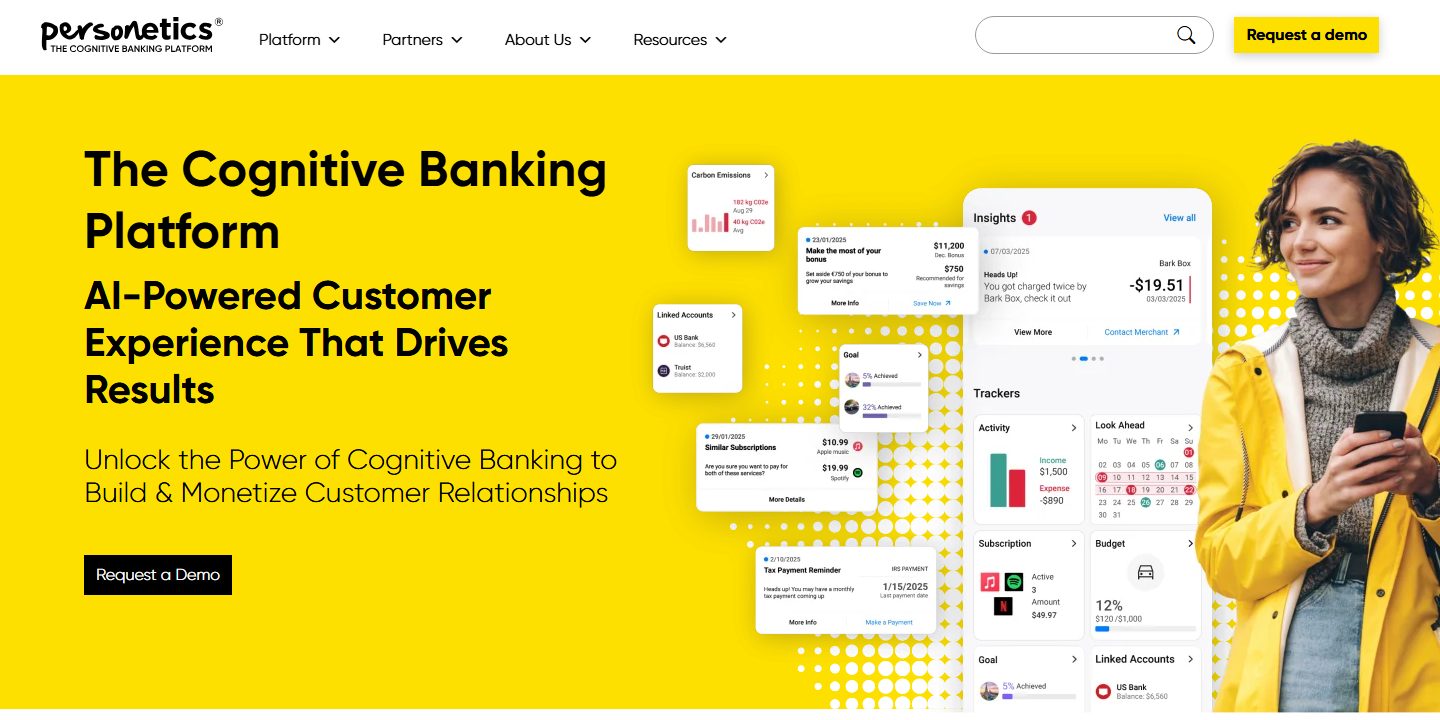
Personetics provides technology for personalised financial experiences and banking intelligence. Its platform uses financial context to support customer interactions and the work of bank staff. The useful question is how that context becomes helpful in the moment: an insight should have a clear purpose for the customer or employee receiving it. Banks can examine which actions are appropriate, how explanations are presented and how the same information is understood across digital and human-assisted channels.
Question for 2027 What makes a personalised banking insight useful enough to act on, rather than another message a customer will ignore?
11. Shield
Shield develops communications governance, archiving and surveillance technology for financial services. Its work addresses how firms retain and review communications across the channels people use for business. That is a workflow problem as well as a storage problem. A compliance team needs to retrieve relevant information, understand its context and manage an investigation without obscuring the record. Teams evaluating this space can examine how a system connects retained communications with policies, reviewer actions and subsequent decisions.
Question for 2027 How will a compliance team reconstruct the context of a conversation when its messages span several communication channels?
12. Slice Labs
Slice Labs develops technology-enabled specialty commercial insurance programmes for small and midsize businesses, working with carriers and distribution partners. Its current web presence redirects from slice.is to slice.ai. The business sits where product design, underwriting and the distributor’s experience meet. That makes it useful to examine how a digital insurance journey handles the cases that do not fit a straightforward quote. Insurers and partners need clarity about the rules, the handoff and who can resolve an exception.
Question for 2027 How should an insurance distribution partner handle a customer who falls outside a standard digital quote-and-bind process?
13. SRM
SRM provides advisory services to financial institutions across areas including payments, sourcing, strategy and technology. Its role is relevant when a bank or credit union needs to connect a commercial objective with changes to suppliers, contracts or operations. The useful discussion concerns sequencing: a new capability may depend on decisions that sit elsewhere in the organisation. Financial leaders can examine which change requires immediate action and which supporting arrangements must be in place first.
Question for 2027 Which supplier, contract or operating decisions need to be settled before a financial institution can deliver its next technology priority?
14. Verisk
Verisk provides data, analytics and software for the insurance industry, supporting work across risk assessment and insurance operations. Its breadth places it close to the information insurers use in recurring decisions. A useful evaluation asks how an analytical input connects to the insurer’s own portfolio, processes and professional review. Buyers also need a way to keep assumptions visible as products and operating conditions change, so that a useful model does not become an unexplained dependency.
Question for 2027 How should an insurer review the continued relevance of an analytical model as its book of business changes?
15. Zest AI
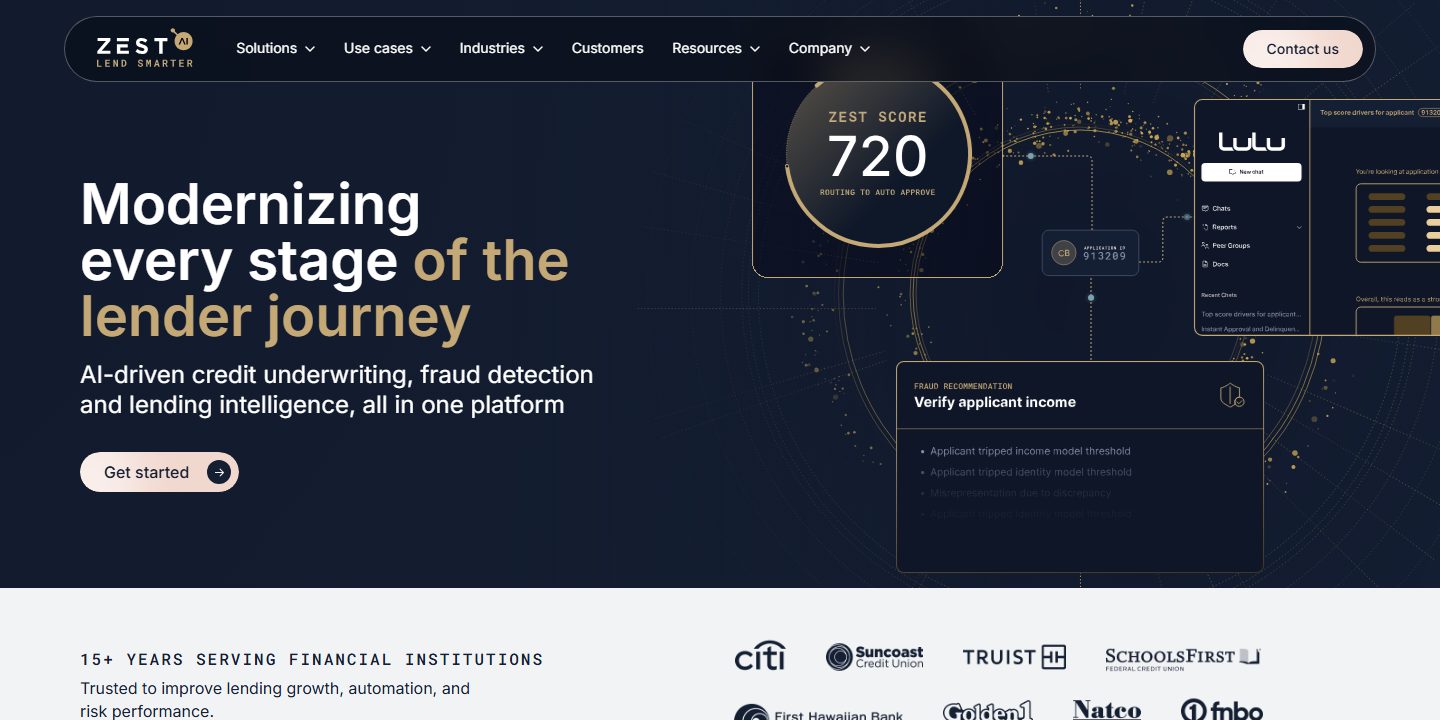
Zest AI develops technology for credit underwriting, fraud detection and lending intelligence. Its work brings several parts of the lender’s decision process into the same discussion. A lending team needs to consider more than whether a model produces a score: data quality, explanations, review and monitoring affect how the system is used. For institutions evaluating AI, a useful starting point is to define where automation supports the process and where accountable human decisions remain necessary.
Question for 2027 How will a lender monitor an AI-supported decision process and identify when its assumptions or review arrangements need to change?
Make the decision process visible
Before evaluating a new tool, map the decision it will support: the inputs, the person accountable, the exceptions and the record that must be retained. That exercise can reveal whether the immediate problem concerns missing information, fragmented workflow or an unclear customer experience. It also gives teams a more specific basis for a supplier discussion.
Want to turn your team’s expertise into regular conversations with your buyers? Explore Fame’s B2B podcast services.
Want us to run this for you?
Fame starts and grows B2B podcasts that generate pipeline. Tell us who you are trying to reach and we will send a costed proposal within 1 working day.