November 18, 20268 min read16 sections
15 Data Infrastructure And Cybersecurity Companies Addressing Trust And Scale In 2027
By Fame Team
Key Takeaways
- An AI service depends on data with usable context, infrastructure that can support the workload and security controls that keep working as software agents act.
- These layers are often assessed by different teams, so the dependencies between them are easy to miss.
- The 15 profiles are alphabetical and carry equal weight; each ends with a question for 2027 planning, not a prediction.
- Use the profiles to find a question worth investigating, then check the requirements, evidence and ownership behind a proposed solution.
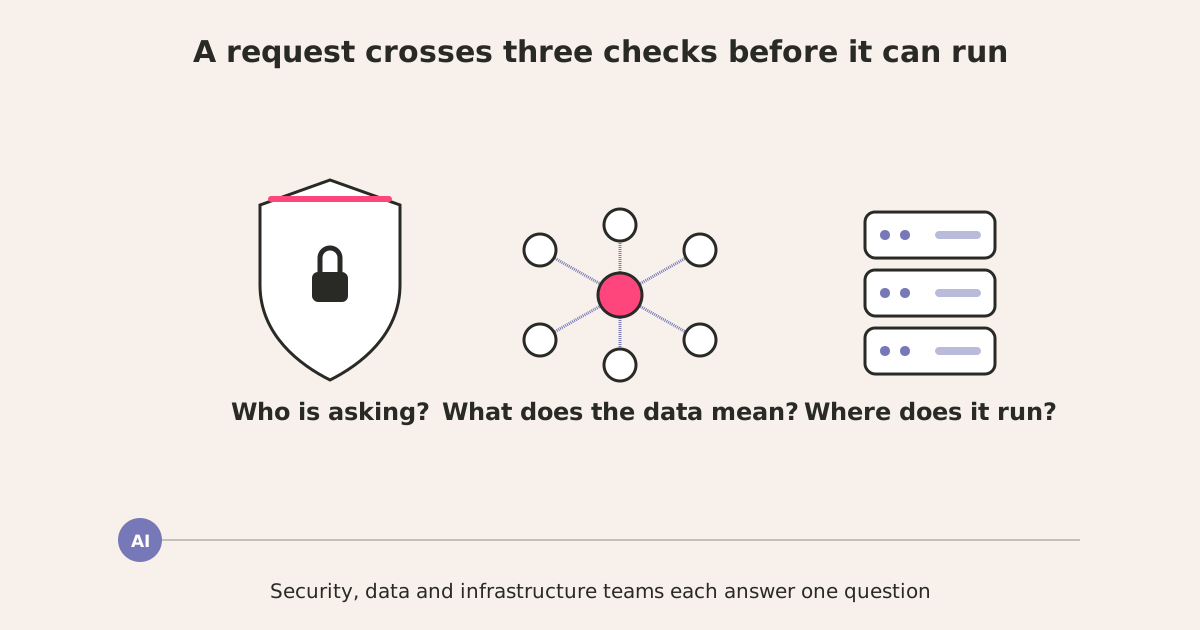
An AI service relies on more than its model. It needs data with usable context, infrastructure that can support the workload, and security controls that remain effective as people and software agents interact. Those dependencies cross teams that often evaluate technology separately.
This alphabetical selection brings together 15 companies working across that wider system. Data centres, databases, metadata and security platforms solve distinct problems; placing them in one article helps connect those problems. The profiles carry equal weight and do not represent a ranking. The accompanying questions are editorial prompts for 2027 planning, rather than claims about future results.
1. Arkose Labs
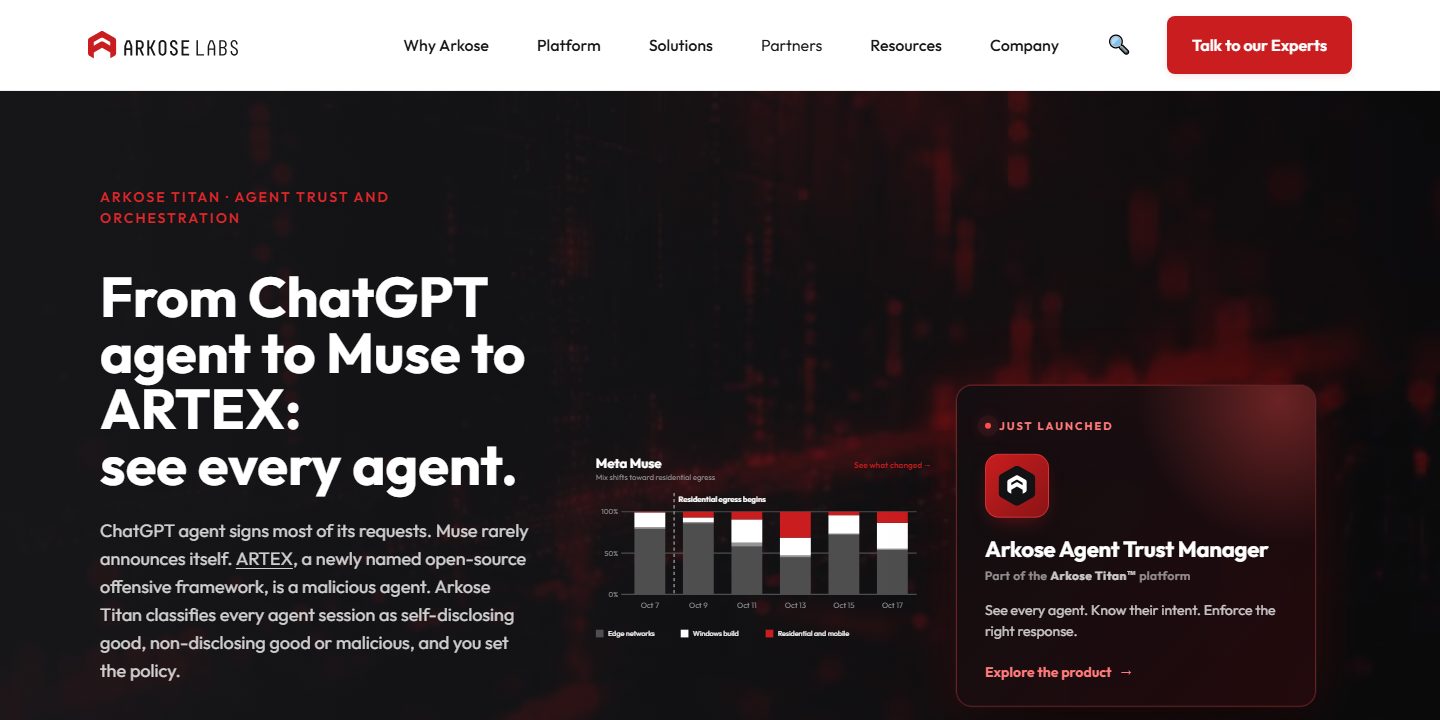
Arkose Labs develops technology for identifying and managing abusive automated activity and digital fraud, including interactions involving AI agents. Its work sits at the boundary between allowing useful access and preventing harmful activity. For digital businesses, that boundary is becoming more complicated as legitimate software also acts on a customer’s behalf. A useful discussion examines how a service distinguishes behaviour, applies policy and handles uncertainty without treating every automated interaction as the same kind of event.
Question for 2027 How should a digital service distinguish an authorised customer agent from automation that creates fraud or abuse?
2. Astrix Security
Astrix Security works on securing non-human identities and AI agents, including the permissions and connections through which software accesses enterprise systems. The company now identifies itself as part of Cisco. Its area of work highlights a practical ownership issue: credentials and service accounts can persist beyond the project or person that created them. Security teams need to understand what a software identity can reach, why that access exists and who can make an informed decision about changing it.
Question for 2027 Who should be accountable for reviewing an AI agent’s access when the original project team has moved on?
3. Brinqa
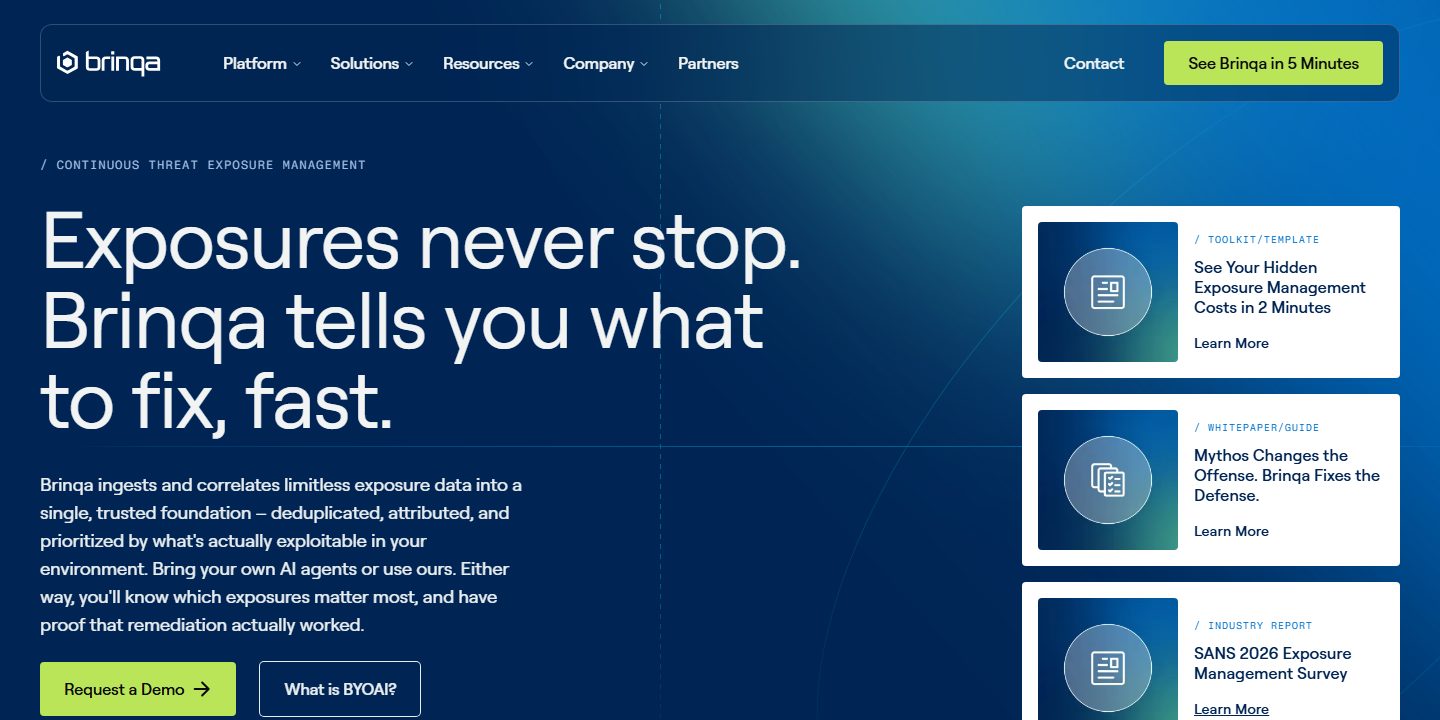
Brinqa brings exposure data together to help security teams understand and prioritise remediation. Its platform focuses on correlating information about assets, vulnerabilities and business context. The underlying problem is familiar to organisations with several security tools: separate findings can describe overlapping risks without making the next action clear. A useful evaluation therefore asks how a team will identify the owner of a fix, explain its priority and establish whether remediation changed the relevant exposure.
Question for 2027 What evidence should demonstrate that a prioritised security fix has reduced the risk the team intended to address?
4. Cologix
Cologix provides data centre and interconnection services, linking physical infrastructure with access to networks and cloud environments. Its work is relevant to organisations deciding where workloads and their supporting data should sit. Those choices affect more than available capacity; connectivity, operating arrangements and the surrounding location also matter. For teams planning AI infrastructure, it is useful to connect application requirements with the physical facilities and network relationships that will support the service.
Question for 2027 Which application requirements should determine a data centre and interconnection decision before capacity is committed?
5. Compass Datacenters
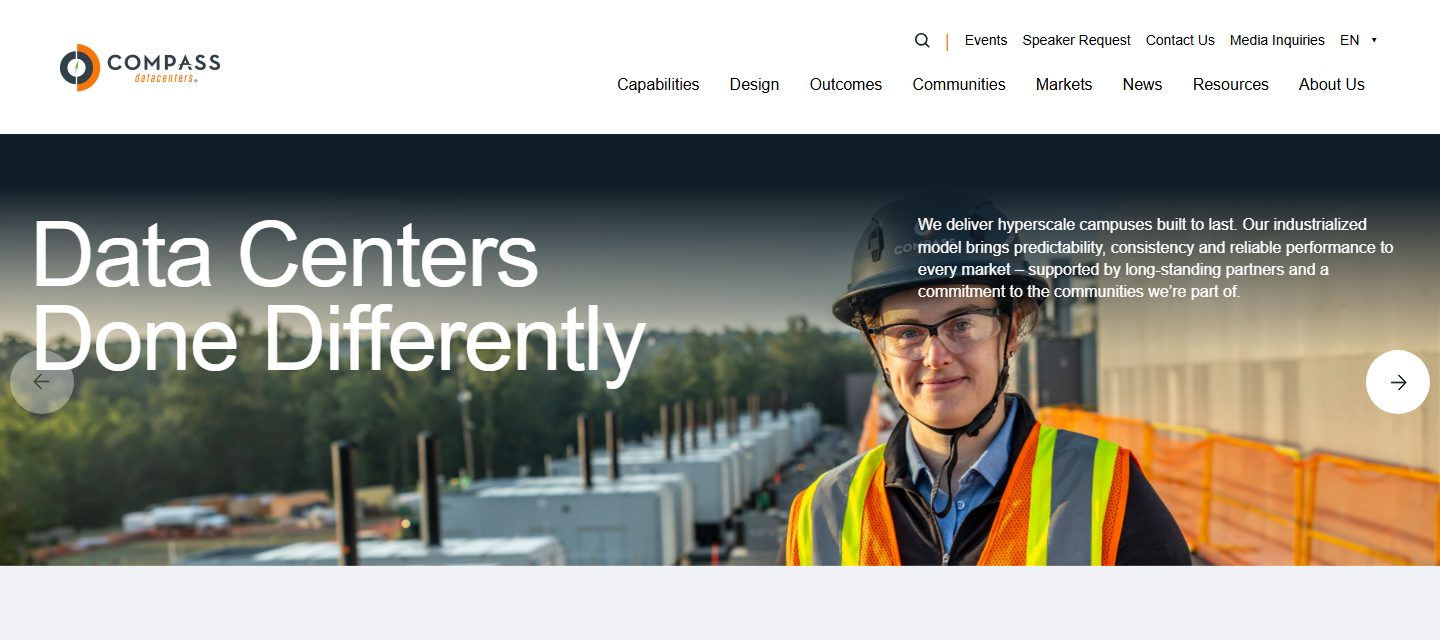
Compass Datacenters develops hyperscale data centre campuses using a standardised, industrialised delivery approach. Its role draws attention to the physical work behind digital growth: building facilities involves construction, energy infrastructure, operating practices and local relationships. These dependencies can shape a technology plan well before an application is deployed. A useful enterprise conversation connects the desired expansion with the requirements for bringing a site into service and sustaining it over the long term.
Question for 2027 How should infrastructure planners bring power availability and local delivery requirements into the earliest stages of capacity planning?
6. DataHub
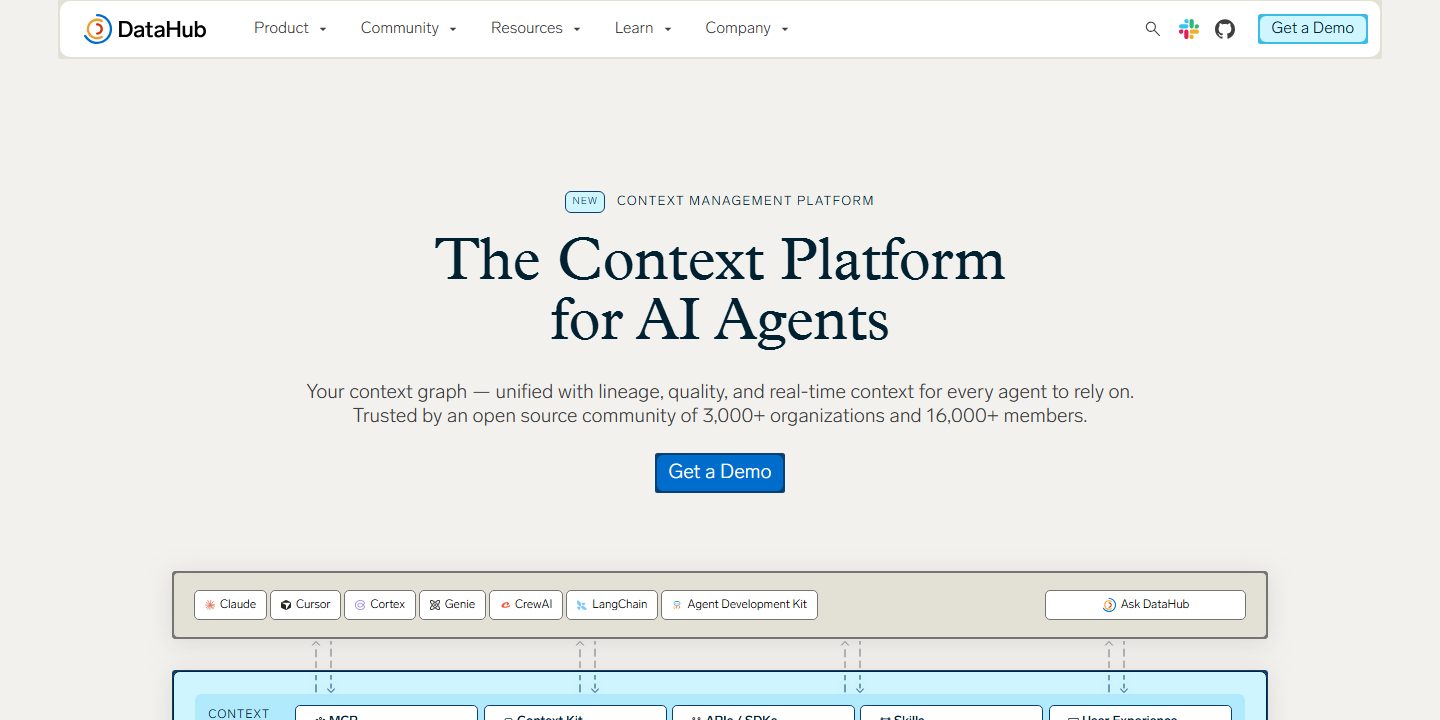
DataHub develops a context platform that connects metadata, lineage, data quality and governance information for data users and AI agents. That context can help explain where information came from and how it relates to other assets. The practical challenge is keeping this knowledge usable as systems change. Data teams need to decide which definitions require an owner, how changes will propagate and how a person or agent will discover the relevant context before relying on a dataset.
Question for 2027 Who maintains the business meaning of data when several teams and AI agents use the same underlying assets?
7. Digital Realty
Digital Realty provides data centre, colocation and interconnection services across a global platform. For enterprises, its area of work connects workload placement with access to networks, cloud services and other organisations. A deployment decision therefore involves geography and connectivity alongside computing requirements. Teams planning a new service can use that wider view to examine how information will move, where operational dependencies sit and how expansion in one market may differ from expansion in another.
Question for 2027 How should an organisation balance workload location, network access and operating requirements when expanding an AI service?
8. EDB
EDB develops enterprise Postgres technology, including capabilities for data, analytics and AI deployments. Its current positioning emphasises control over infrastructure and data through a sovereign AI data system. This makes deployment choice a practical discussion rather than an abstract preference. Enterprises need to understand which requirements concern location, access, operations or portability, and how those requirements will be maintained over time. The database is one part of that wider operating responsibility.
Question for 2027 Which controls must an enterprise retain directly when choosing where to run its database and AI workloads?
9. Endor Labs
Endor Labs builds application security technology for software development, including open-source dependencies and AI-assisted coding workflows. Its work addresses the relationship between how code is created and how security decisions are made. As more code is generated or modified by agents, a finding needs to reach someone able to assess and resolve it. Teams evaluating this space can examine how security context enters the development workflow and how an agent’s actions are governed.
Question for 2027 How should security review change when an AI coding agent can both introduce code and take actions in a development environment?
10. iProov

iProov develops biometric verification and authentication technology designed to establish that an online user is a real person and the intended account holder. The company addresses identity fraud, including attacks involving synthetic media. For organisations delivering digital services, this is also a question about the user journey: verification has to fit the interaction while addressing the relevant risk. The useful discussion concerns where a check belongs and what should happen when it cannot establish sufficient confidence.
Question for 2027 At which points in a customer journey is renewed evidence of a real person necessary, and how should exceptions be handled?
11. Keboola
Keboola provides a governed data platform for connecting sources, preparing information and supporting analytics and AI workflows. Its current work includes financial intelligence for finance and data teams. That focus puts attention on the preparation behind a useful answer: inconsistent definitions and manual reconciliation can limit what a new interface can achieve. An organisation evaluating AI for finance can start by examining the ownership and repeatability of the data processes on which that interface would depend.
Question for 2027 Which finance data process needs to become consistent and repeatable before an AI layer can be trusted to use it?
12. Snowflake
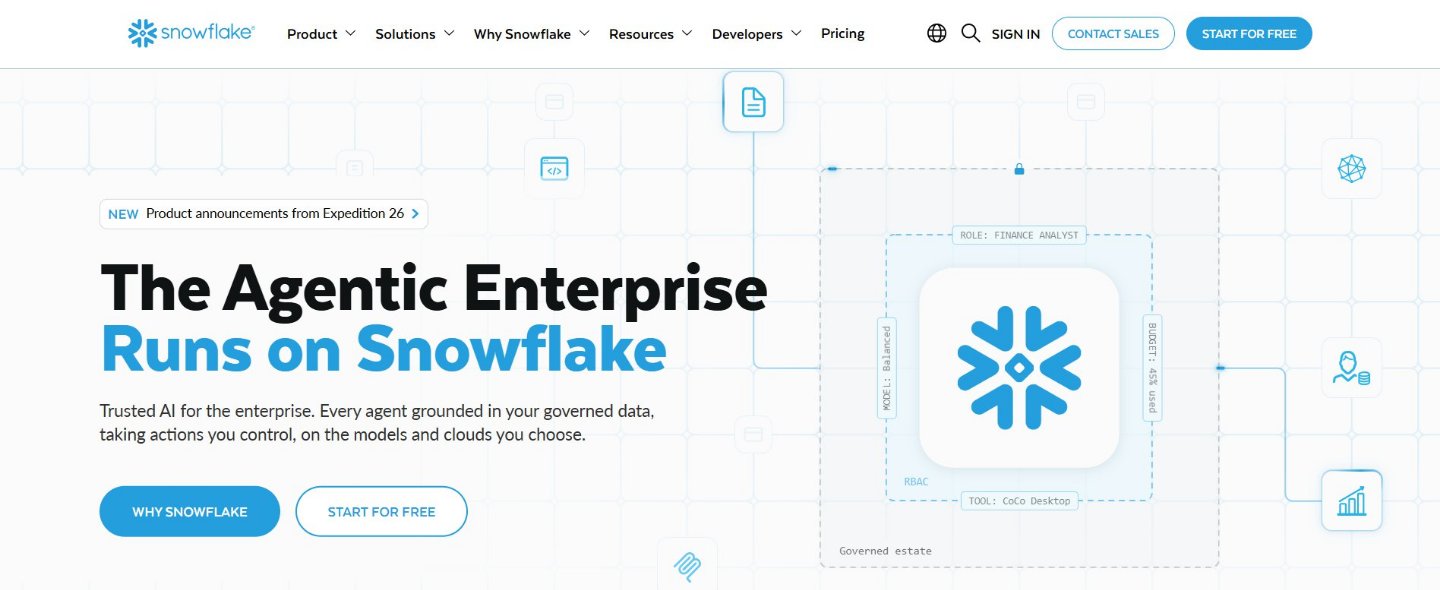
Snowflake provides a cloud platform for enterprise data, analytics and AI, including capabilities for working with governed information across business applications. Its work makes access and context part of the AI infrastructure discussion. A team may want a new service to use existing enterprise data while preserving the rules that apply to it. That raises practical questions about permissions, sharing and which business definitions should travel with the information as it is used.
Question for 2027 How can an enterprise preserve its data permissions and business definitions when new AI services begin using shared information?
13. Teradata
Teradata brings data management, analytics and AI capabilities together across cloud, on-premises and hybrid environments. Its enterprise focus is relevant where a new AI application has to coexist with established systems and operating requirements. The practical issue is how to connect useful information without losing control of the surrounding processes. Buyers can examine where data needs to remain, how different environments will be operated and how an AI output will be traced back to its inputs.
Question for 2027 What must remain consistent when an AI workflow spans established on-premises systems and newer cloud services?
14. Upstream Security
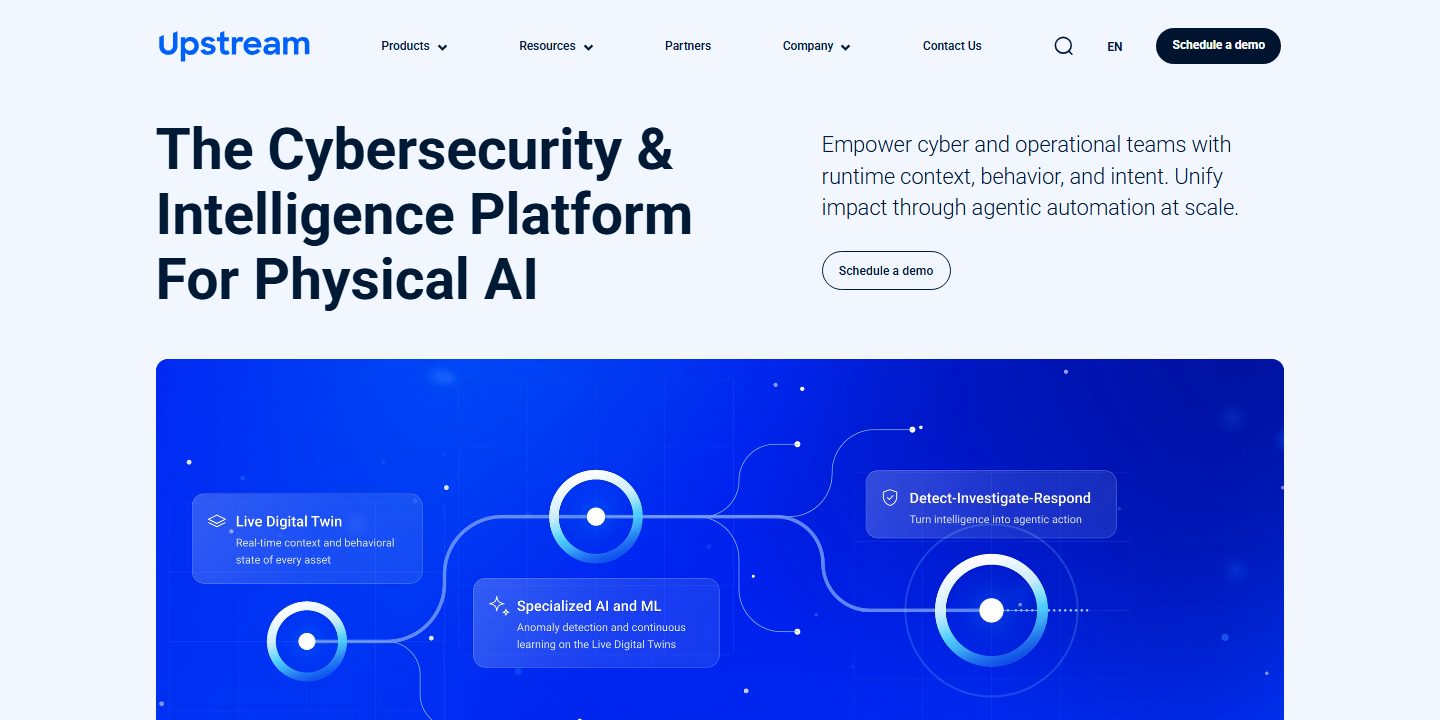
Upstream Security provides cybersecurity and data intelligence for connected vehicles and mobility environments. Its area of work involves interpreting information from systems that operate beyond a conventional office network. That makes responsibility and context particularly important: an unusual event may involve a vehicle, a service or a connection between them. Teams examining mobility security need a shared way to investigate events across engineering, operations and security functions while understanding what each group can change.
Question for 2027 How should a mobility organisation coordinate an investigation when a security signal crosses vehicle, cloud and operational teams?
15. VAST Data
VAST Data develops a platform that brings storage, database and compute capabilities together for data-intensive and AI workloads. Its infrastructure role is relevant to organisations thinking about how information moves between preparation, training and inference. These activities can place different demands on the same underlying data. A useful planning discussion therefore goes beyond the model or accelerator to examine data access, processing requirements and how the architecture can accommodate changing patterns of use.
Question for 2027 Which data access and processing requirements should guide infrastructure design as AI workloads move from training into everyday inference?
Look at the dependencies between teams
A security decision can affect developer speed; an infrastructure decision can change where data lives and how it is governed. Bringing the relevant owners into the same discussion makes those tradeoffs visible. Use these profiles to identify a question worth investigating, then assess the specific requirements, evidence and ownership behind a proposed solution.
Want to turn your team’s expertise into regular conversations with your buyers? Explore Fame’s B2B podcast services.
Want us to run this for you?
Fame starts and grows B2B podcasts that generate pipeline. Tell us who you are trying to reach and we will send a costed proposal within 1 working day.