October 15, 20267 min read11 sections
10 Healthcare And Life Sciences Companies And Leaders To Watch In 2027
By Fame Team
Key Takeaways
- Healthcare and life sciences technology serves different decisions, so each tool should be judged against the job it is meant to support.
- A research workflow improvement is a different claim from evidence about a clinical result, and good explanations keep them apart.
- Clear accounts of evidence, intended use and limits matter as much as the capability itself.
- Commercial and operational tools are strongest when they explain the information involved and how people stay in the loop.
Healthcare and life sciences technology serves several different kinds of decision. A researcher may need to understand the evidence behind a biological question. A clinician may need information that supports an assessment. A commercial team may need to understand where a product is relevant and how to communicate about it responsibly. The setting changes what useful technology looks like.
Our 2027 watchlist brings together five companies and five people across those areas. Their work includes genomic evidence, real-world research, diagnostic technology and the infrastructure behind healthcare operations. We are interested in how they make complex information usable, and in how clearly they explain the purpose and limits of their tools. That gives each feature a practical connection to the people who may use or evaluate the technology.
1. Genomenon
Genomenon works on making genomic evidence easier to find and use at the gene and variant level. Its resources connect information from biomedical literature with the questions asked by clinical and research teams. The company's proposition addresses a substantial practical task: locating and interpreting relevant published evidence within an expanding body of scientific work.
For the user, the important connection is between a finding and the evidence supporting it. A useful tool needs to make that relationship visible in the context of the question being investigated. Genomenon is worth following for how it organises that knowledge for different audiences. In 2027, we will be interested in the ways curated evidence supports a workflow while leaving the scientific and clinical interpretation clear to the professionals responsible for it.
2. Jeffrey Brown at TriNetX
Jeffrey Brown, Chief Scientific Officer at TriNetX, has written about the use of real-world data in rare disease research. His public discussion explains how information collected during routine care can help researchers understand patient experiences and investigate questions that are difficult to study in small populations. That gives the subject a specific connection to research design and the evidence available to a team.
The value of this perspective lies in explaining what a dataset can help answer. Research leaders also need to examine how the information was collected and which limitations affect an analysis. Brown is worth following for the scientific discussion around those questions. As 2027 approaches, we will be interested in examples that connect access to real-world data with a clearly defined and carefully evaluated research purpose.
3. James Min at Cleerly
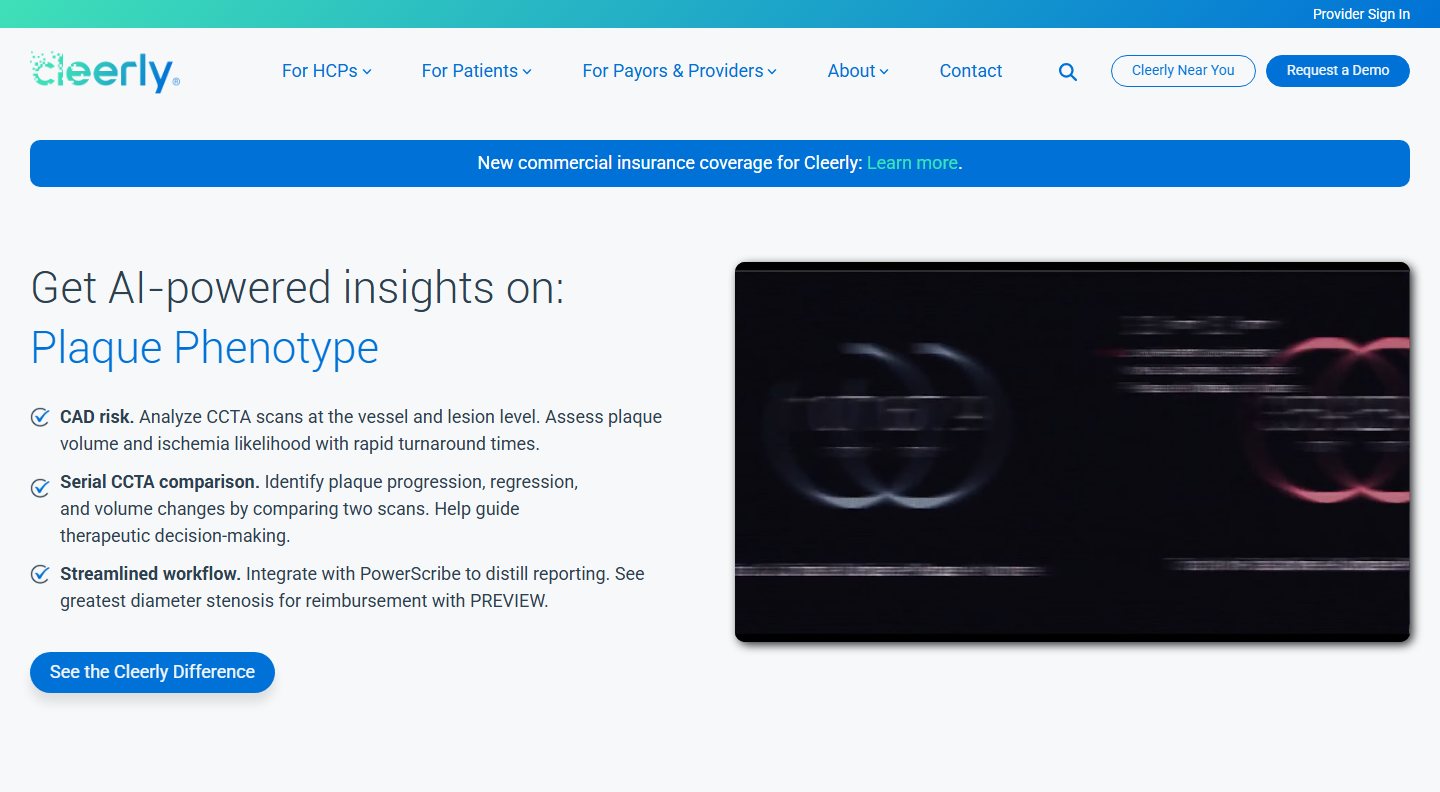
James K. Min, MD, is the founder and CEO of Cleerly, which develops AI-driven technology for assessing coronary artery disease from coronary CT angiography images. The company's platform quantifies features including plaque and narrowing in the coronary arteries. Its subject therefore requires a clear explanation of what the analysis measures and how that information is presented within a clinical workflow.
That is what makes Min a relevant person to follow. A diagnostic technology story needs to connect the capabilities of the software with its intended clinical setting and the evidence supporting its use. For 2027, we will be interested in how Cleerly explains that relationship to professional audiences, including the information available to clinicians and the role of their judgement when considering a result.
4. AcuityMD
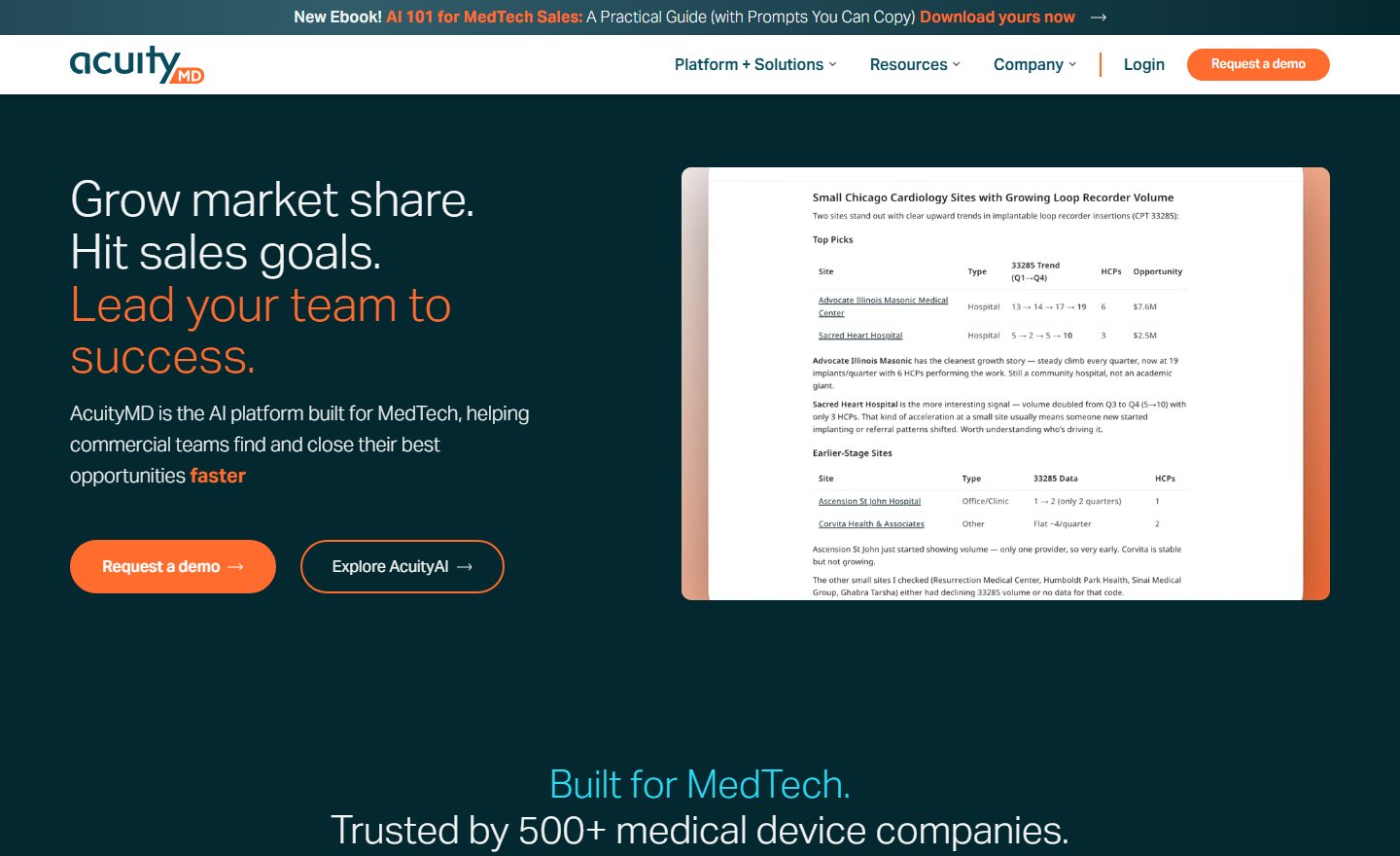
AcuityMD provides commercial intelligence and sales technology for medical device companies. Its platform helps teams understand the market around their products and organise commercial work with greater context. That puts it in a different part of the healthcare technology ecosystem from diagnostic or research tools: its users are planning and managing the business of bringing medical technology to market.
The interesting question is how a commercial team connects information with a relevant opportunity. A useful view should help people understand where to focus attention and why, rather than simply producing a longer list of names. AcuityMD is worth following for that operational detail. In 2027, we will be watching how it explains the relationship between market intelligence, team activity and the commercial decisions that medtech businesses need to make.
5. Abraham Wang at Collaborative Drug Discovery
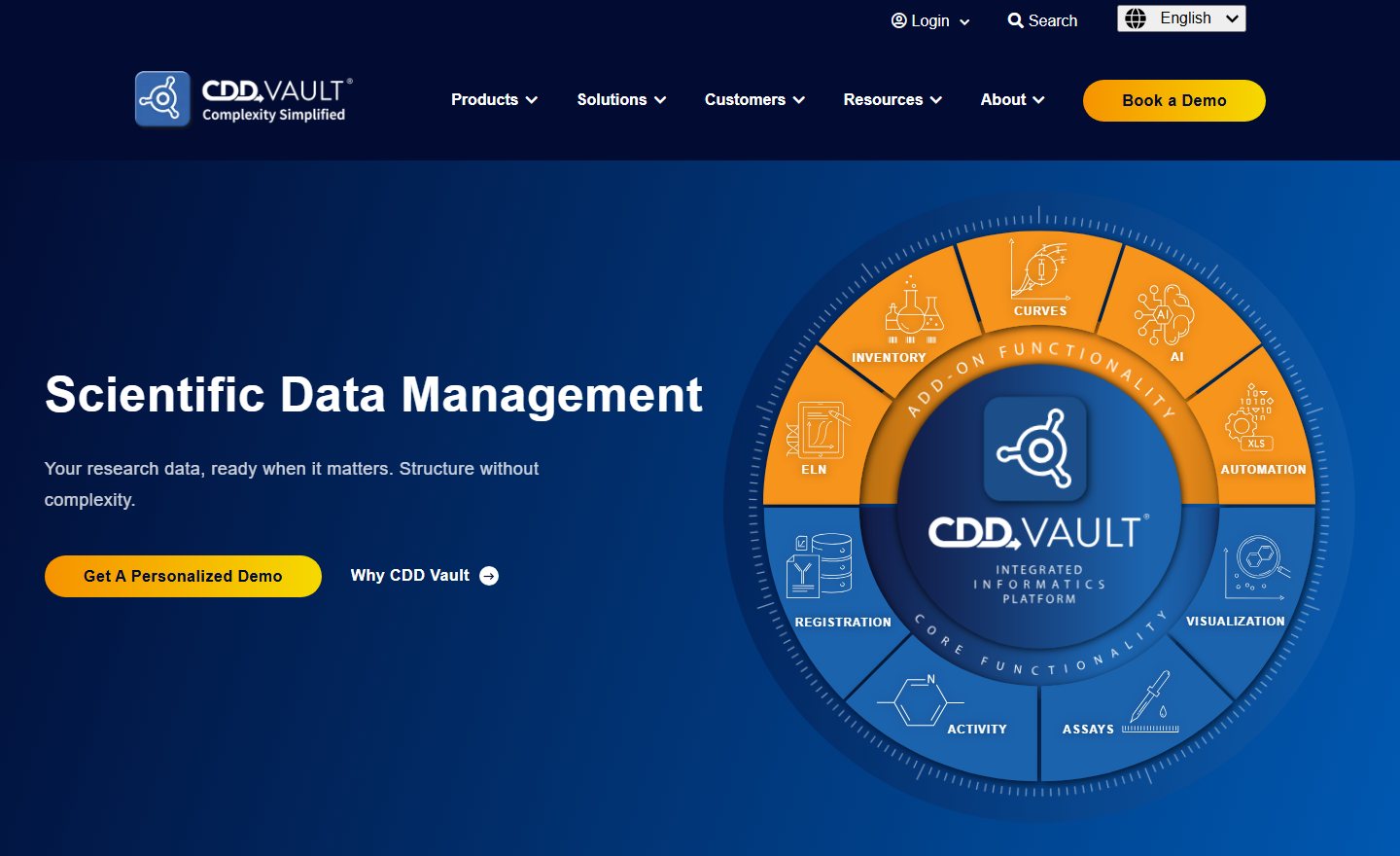
Abraham Wang's company-published writing at Collaborative Drug Discovery includes its collaboration with deepmirror, connecting research data management with AI-assisted drug design. CDD's Vault platform helps research teams manage and analyse scientific data in a shared environment. That provides a practical foundation for a discussion about how new analytical tools fit into the way scientists already work.
For a research organisation, the usefulness of AI depends partly on the quality and availability of the information around an experiment. Teams need to find results, understand their context and collaborate across disciplines. Wang is included for his role in communicating those connections through CDD's public materials. Looking towards 2027, we are interested in how research platforms make collaboration more workable while keeping scientific data and the reasoning around it accessible.
6. Whitney LaBonte at ODAIA
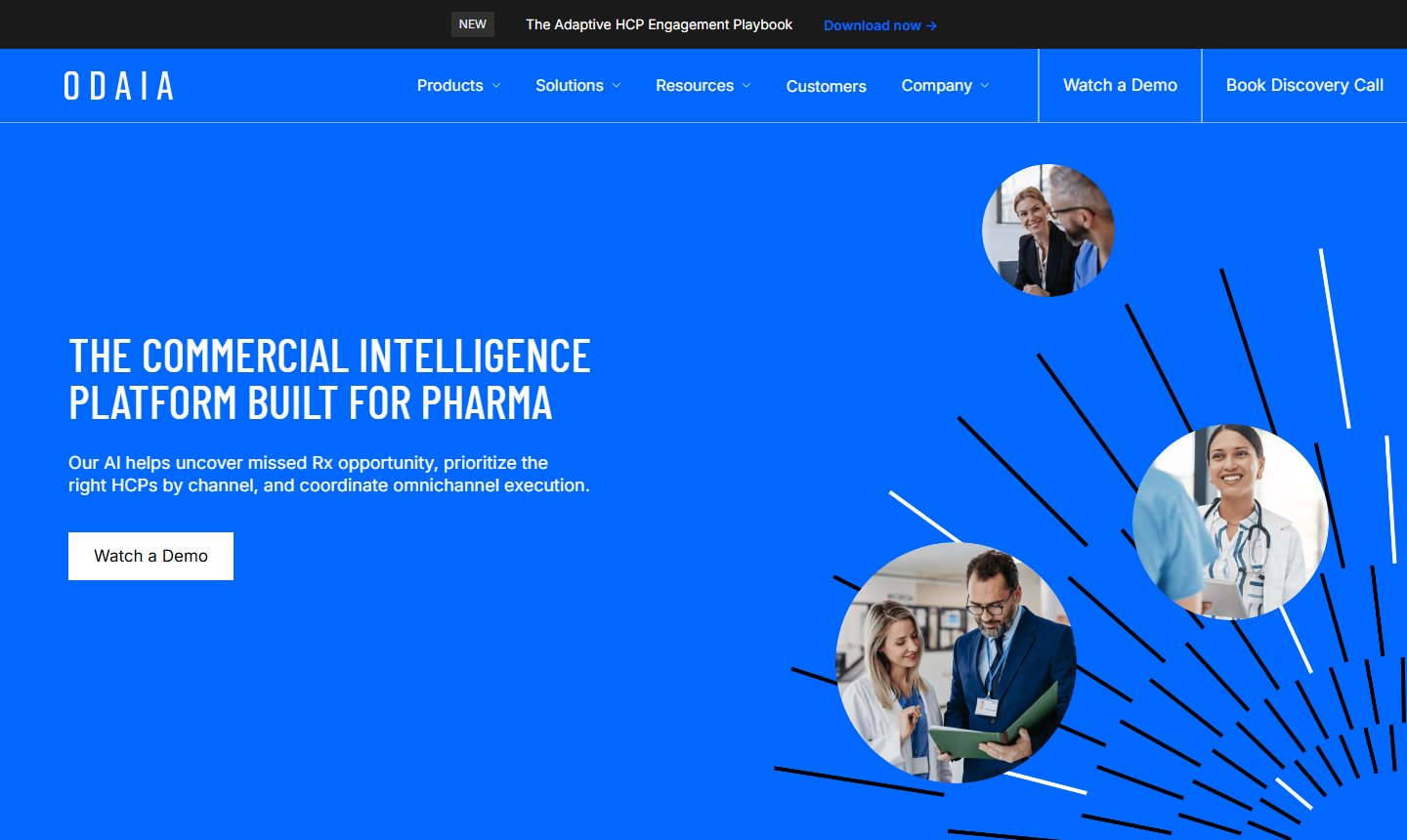
Whitney LaBonte brings a growth marketing perspective to ODAIA, which applies AI to commercial work in the pharmaceutical industry. The company focuses on understanding healthcare professionals, prioritising engagement and coordinating activity across field and digital teams. That creates a specific communication task: explaining how an AI capability becomes useful in a commercial team's daily work.
A recommendation about whom to contact needs a clear business context and a workable place in the team's process. The surrounding explanation should also make the information involved and the intended use understandable. LaBonte is worth following as part of the team bringing that story to market. For 2027, we will be interested in concrete accounts of how commercial AI is adopted, used and evaluated by the people responsible for engagement.
7. b.well Connected Health
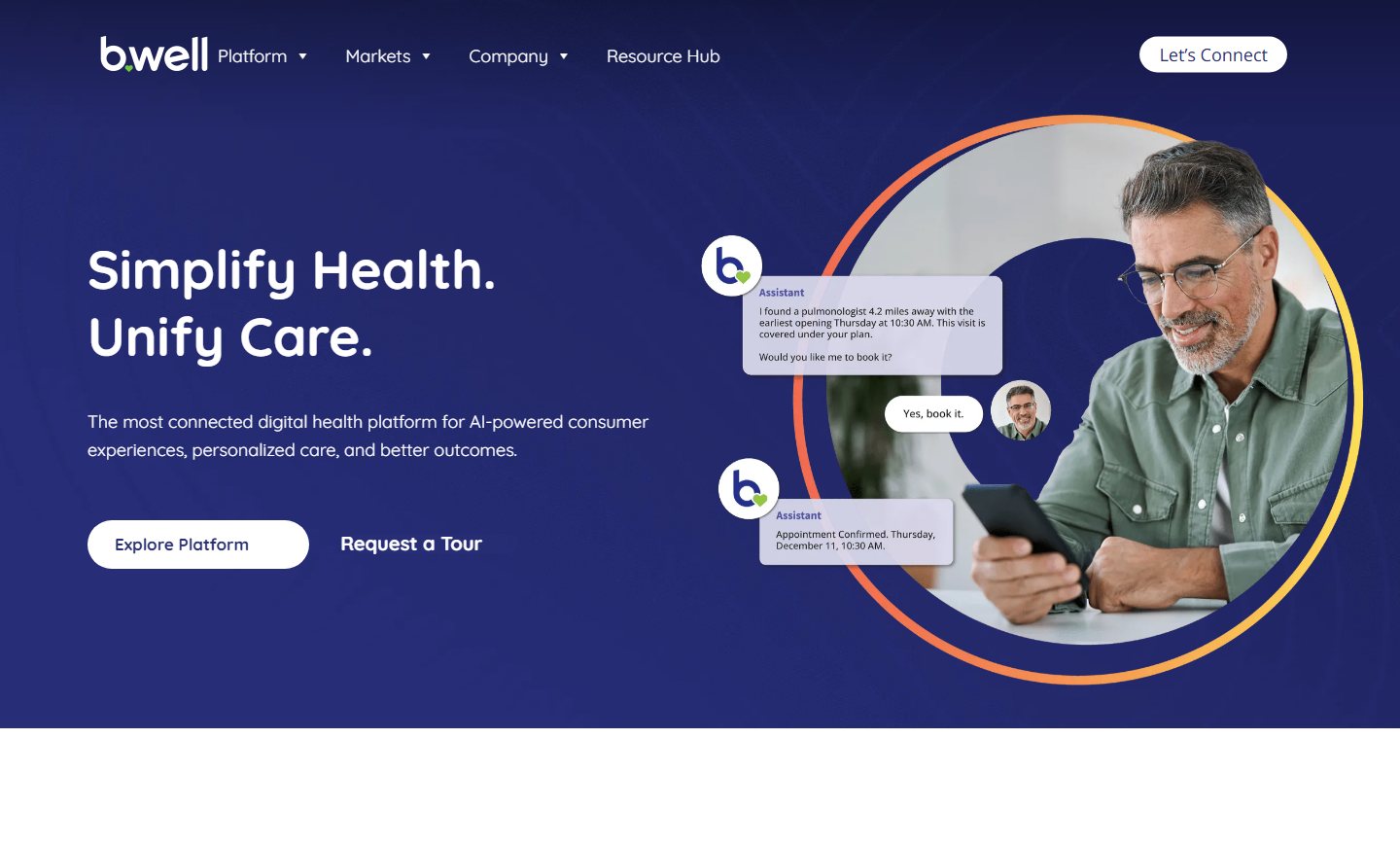
b.well Connected Health works on connecting health information and making it usable in digital healthcare experiences. Its public HIMSS 2026 materials use the example of moving from clipboard-based processes to access through a QR code, bringing interoperability into an everyday setting. The company is relevant to organisations trying to understand how connected data changes the experience of people navigating care.
The useful story begins with what a person needs to do and the information required to support that step. A connection between systems has practical value when it helps that experience work as intended. We are watching how b.well explains those transitions with concrete examples. In 2027, the details worth following include how access is managed, how information reaches the right place and how people understand the experience they are using.
8. DELFI Diagnostics
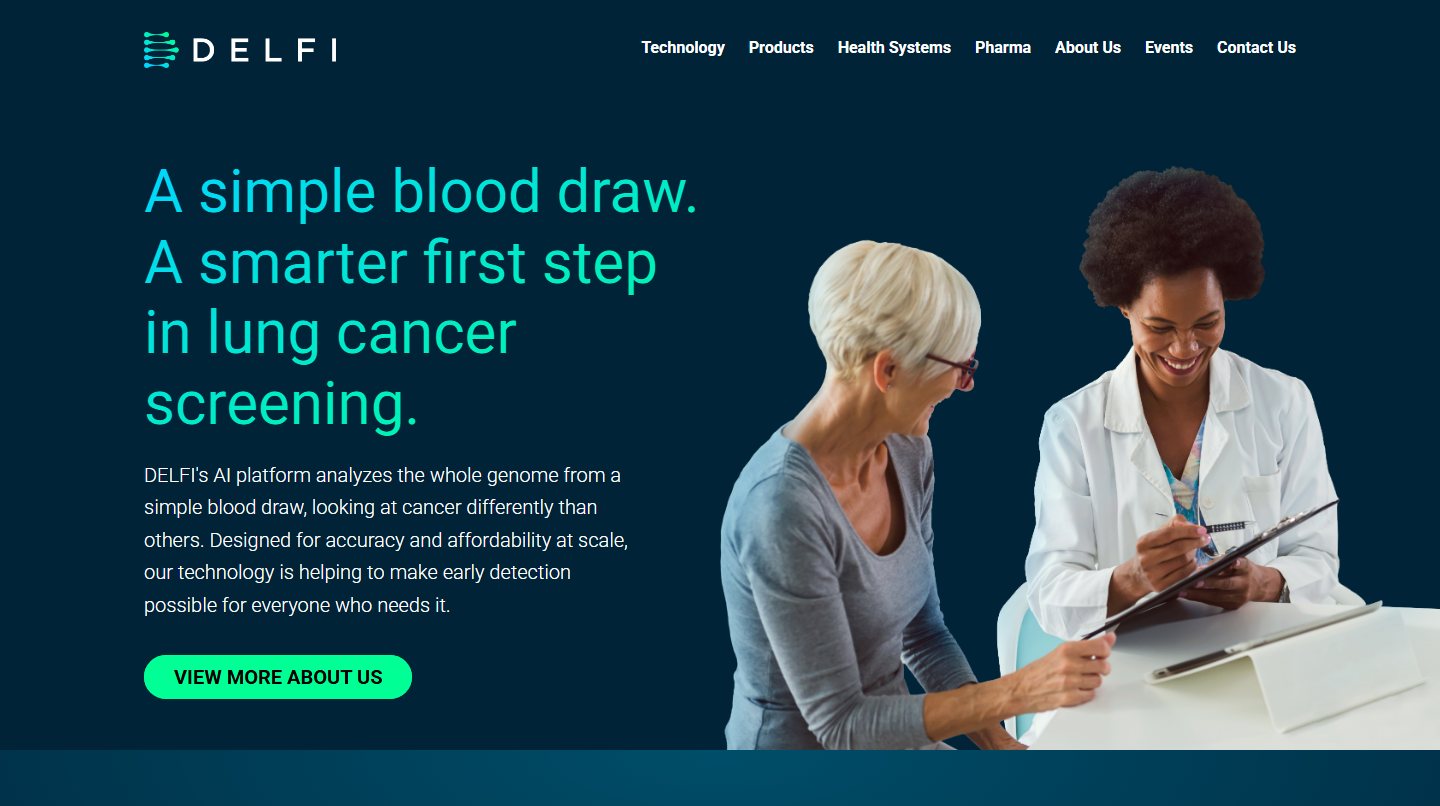
DELFI Diagnostics develops blood-based cancer detection technology using machine learning and fragmentomics, the study of patterns in cell-free DNA fragments. Its scientific approach examines those patterns for information associated with cancer. That makes the company a relevant example of how AI is being applied to a particular diagnostic question, with a need for careful explanation of the underlying method.
For professional audiences, the important questions concern the evidence, the intended use of a test and the setting in which it is evaluated. Those details determine how a technical capability should be understood. We are watching DELFI for the way it communicates its research and products through that lens. In 2027, clear accounts of validation and clinical context will remain central to an informative discussion about AI-assisted cancer detection.
9. BenchSci
BenchSci develops AI technology for scientists, with its ASCEND platform focused on preclinical research and disease biology. The platform helps researchers work with scientific evidence and investigate questions relevant to experimental work. Its focus places AI within a specialist workflow where the quality of the information and the researcher's ability to examine it are especially important.
A useful research assistant needs to do more than produce a plausible summary. Scientists need to understand the material behind an answer and judge how it relates to their experiment or hypothesis. BenchSci is worth following for how it supports that process. For 2027, we will be interested in examples that connect evidence discovery with a scientific decision while preserving the user's ability to inspect, question and test the information.
10. Thomas Shea at Doceree
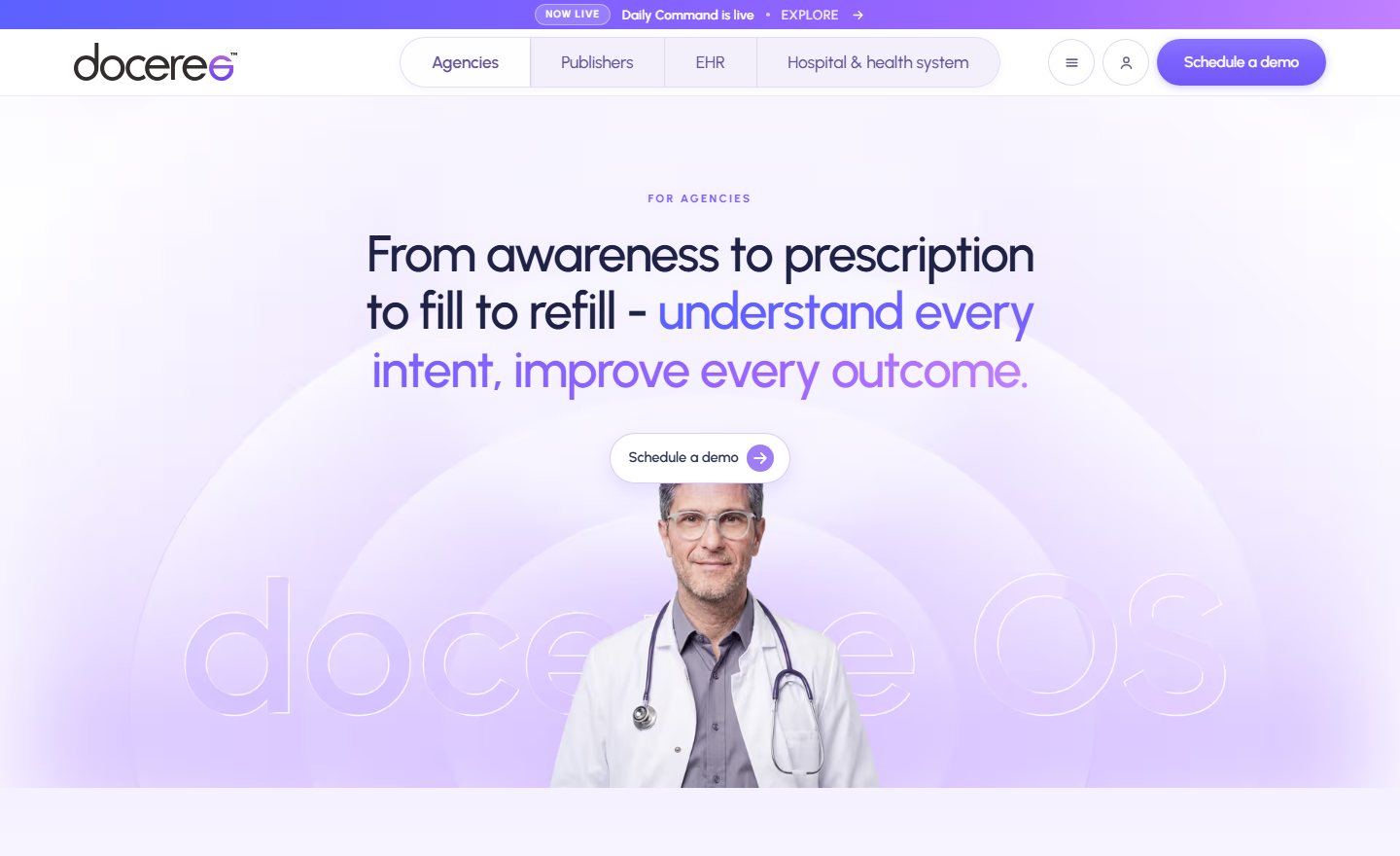
Thomas Shea's role at Doceree centres on patient affordability and AI, connecting the company's commercial technology with a specific part of the healthcare experience. Doceree's public 2026 materials identify him as Chief Revenue Officer for that area. The company works on healthcare professional engagement and related infrastructure, making the relationship between information, communication and the point of care an important part of its story.
That creates a useful subject for professional discussion. A message or tool needs to fit the situation in which it appears, and its purpose should be understandable to the person using it. Shea is worth following for the commercial perspective on that connection. In 2027, we will be watching how Doceree explains the practical role of AI and affordability tools within established healthcare workflows.
Make the purpose and evidence clear
This group spans scientific research, clinical information and commercial operations. The distinction matters because a tool should be assessed against the job it is intended to support. An improvement to a research workflow, for example, is a different claim from evidence about a clinical result.
As we follow these companies and people in 2027, we will be looking for explanations that keep those purposes clear. Readers should be able to understand the information involved, the setting in which it is used and the evidence behind the claims. That is a useful foundation for a substantive conversation with healthcare and life sciences audiences.
Fame helps B2B teams create podcasts around informed conversations with the people who know their market. For healthcare and life sciences businesses, we support a consistent programme of planning, production and growth around clearly explained expertise.
Want us to run this for you?
Fame starts and grows B2B podcasts that generate pipeline. Tell us who you are trying to reach and we will send a costed proposal within 1 working day.