October 15, 20267 min read11 sections
10 Financial Technology Companies And Leaders To Watch In 2027
By Fame Team
Key Takeaways
- Financial technology is easiest to judge when the conversation starts with a specific decision and the evidence behind it.
- Fraud, claims and financial oversight all depend on whether a person can follow the reasoning and decide what to do next.
- Connected data matters because the meaning of a transaction often depends on the relationships around it.
- The strongest stories explain what a team can inspect, challenge and review, not just what a model predicts.
Financial technology becomes easier to evaluate when the conversation starts with a decision. A fraud team needs to judge a transaction. An insurer needs to understand a claim. An investment business needs to keep product information useful across a complicated distribution network. Each decision has its own evidence, workflow and consequences.
Our 2027 watchlist brings together five companies and five people helping financial services organisations work through those questions. The group spans fraud prevention, insurance, financial oversight and the systems behind financial products. We selected them for the specificity of the problems they address and the opportunity to explain how technology fits into real operations. The result is a set of useful perspectives for leaders planning where to focus attention in the year ahead.

1. Quantexa
Quantexa connects fragmented data to reveal relationships between people, organisations and activity. Its Decision Intelligence platform is used across areas including financial crime and risk, where the meaning of a piece of information often depends on the connections around it. That makes the company relevant to businesses trying to build a more complete picture from several sources.
A team may know something about an account, a transaction and a related organisation without being able to connect them confidently. Bringing those relationships into view can change the questions an investigator asks. Quantexa is worth following for how it makes that contextual approach useful in an operating workflow. In 2027, we will be interested in the evidence behind a decision and how people can interrogate the connections presented to them.
2. CLARA Analytics
CLARA Analytics develops claims intelligence for insurance professionals. Its background includes predictive approaches to treatment and litigation, with the company now presenting a wider claims AI proposition. That focus keeps the discussion close to the work of adjusters and claims leaders, who need to decide where attention or further investigation is required.
The value of a signal depends on whether someone can use it at the right point in a claim. An interesting model therefore needs an equally clear explanation of how it enters a team's daily work. We are watching CLARA for that connection between intelligence and action. For 2027, practical questions include how users understand a recommendation, how exceptions are handled and how a team evaluates its experience of the system over time.
3. FE fundinfo
FE fundinfo connects investment managers, wealth managers and data partners across the investment product ecosystem. Its work covers the information and technology needed to manage complexity between product creation, distribution and ongoing operations. The company also describes AI-enabled workflows as part of making that information more useful to the organisations that rely on it.
For those organisations, a change to a product detail can have implications across several systems and partners. The interesting technology story concerns how information remains consistent and usable as it travels through that network. FE fundinfo belongs on this watchlist because its position makes those connections visible. We will be following how it explains automation and AI in the context of specific operational tasks, with clear responsibilities for the data involved.
4. Mike Maziarz at MindBridge
Mike Maziarz combines product and marketing responsibilities at MindBridge, which focuses on AI-assisted financial oversight. The company applies its technology to financial data so that teams can identify and examine activity that deserves attention. Bringing the product and its explanation together is especially relevant in a field where users need to understand why a result matters.
An unusual entry is a starting point for a question, and the people reviewing it need enough context to assess what it means. That creates a useful test for any financial AI story: can a user follow the reasoning and decide what to investigate next? Maziarz is worth following at that intersection of capability and explanation. In 2027, we will be looking for clear examples of how AI supports the judgement of finance and assurance teams.
5. Matt DeLauro at SEON
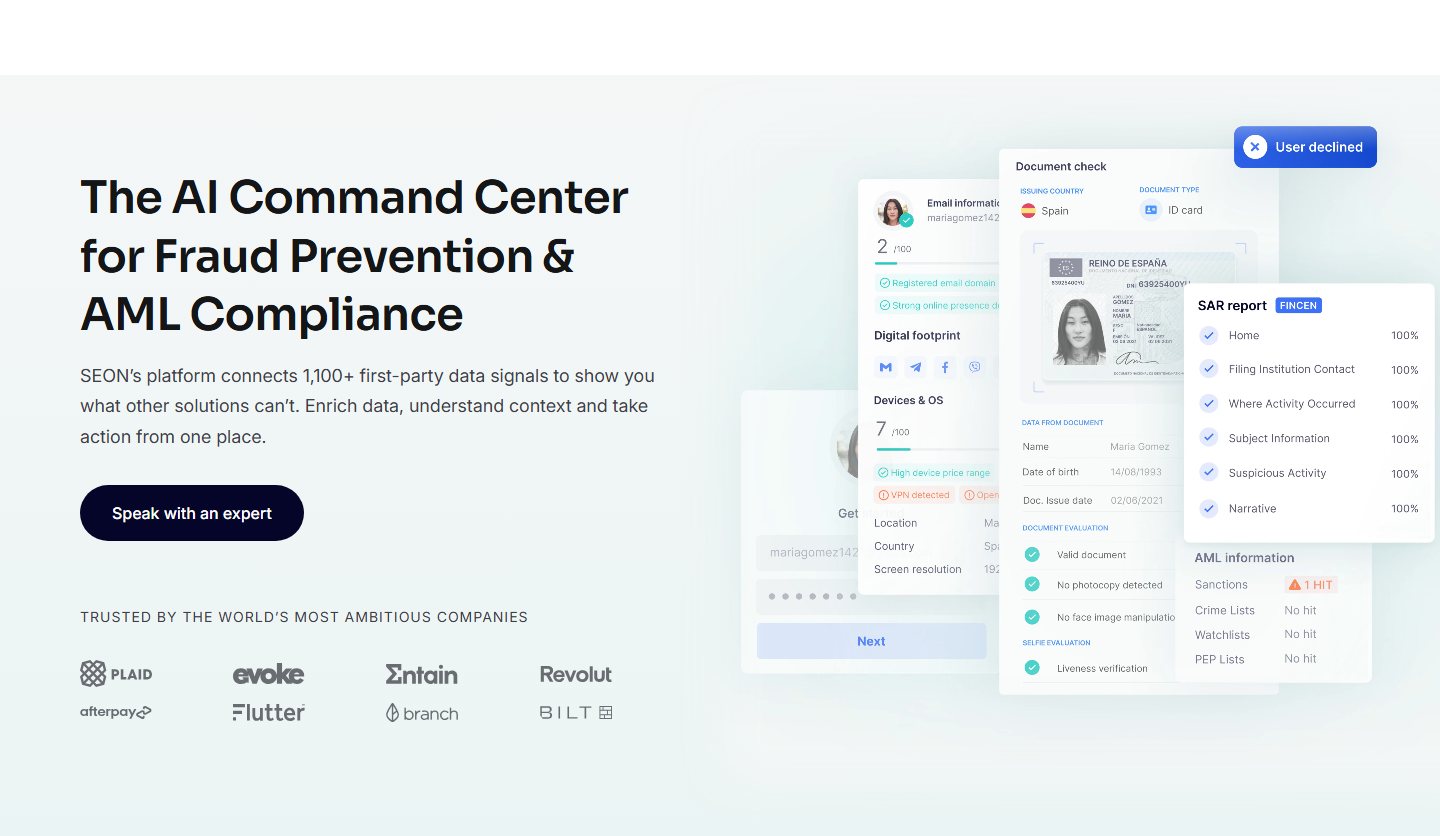
Matt DeLauro, President of Go-to-Market at SEON, works with a company focused on fraud prevention and anti-money laundering technology. SEON brings together signals used to assess risk across digital interactions. Its proposition has a direct commercial context because protective measures affect how customers encounter a business as well as how the organisation manages exposure.
That makes the explanation of a fraud decision particularly important. A buyer needs to understand the information used, how a decision reaches the relevant team and what happens when an interaction needs review. DeLauro is included for the go-to-market perspective on those operational questions. As 2027 approaches, we will be watching how SEON connects the technical discussion of signals and models to the experience of people managing risk and customer growth.
6. Feedzai

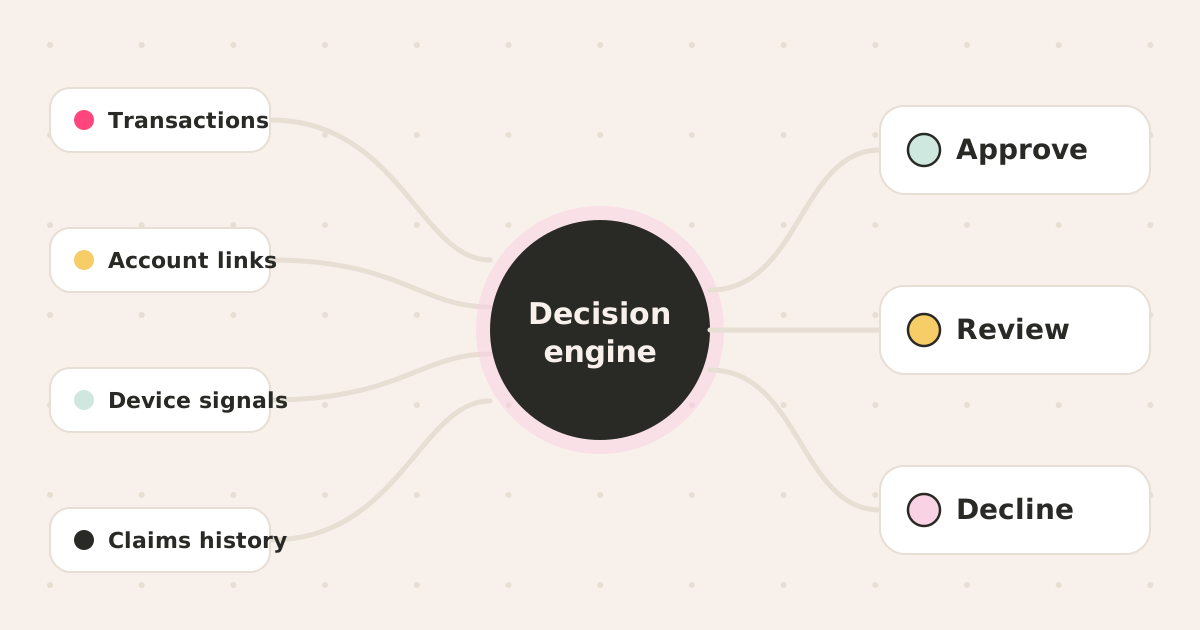
Feedzai provides technology for fraud and financial crime prevention, bringing AI together with behavioural and transaction intelligence. The company describes a combination of real-time decision-making, specialist research and shared intelligence across its customer ecosystem. Its relevance lies in how those different sources of information can help a financial institution understand an interaction in context.
Fraud changes as customer behaviour, payment channels and criminal tactics change. An organisation needs a way to evaluate those changes while maintaining a usable experience for legitimate customers. Feedzai is worth following for the practical explanations behind that balancing work. For 2027, we are interested in how financial institutions interpret signals, decide when to intervene and assess the effects of changes to their fraud operations over time.
7. Bhavna Wadhwa at Zafin
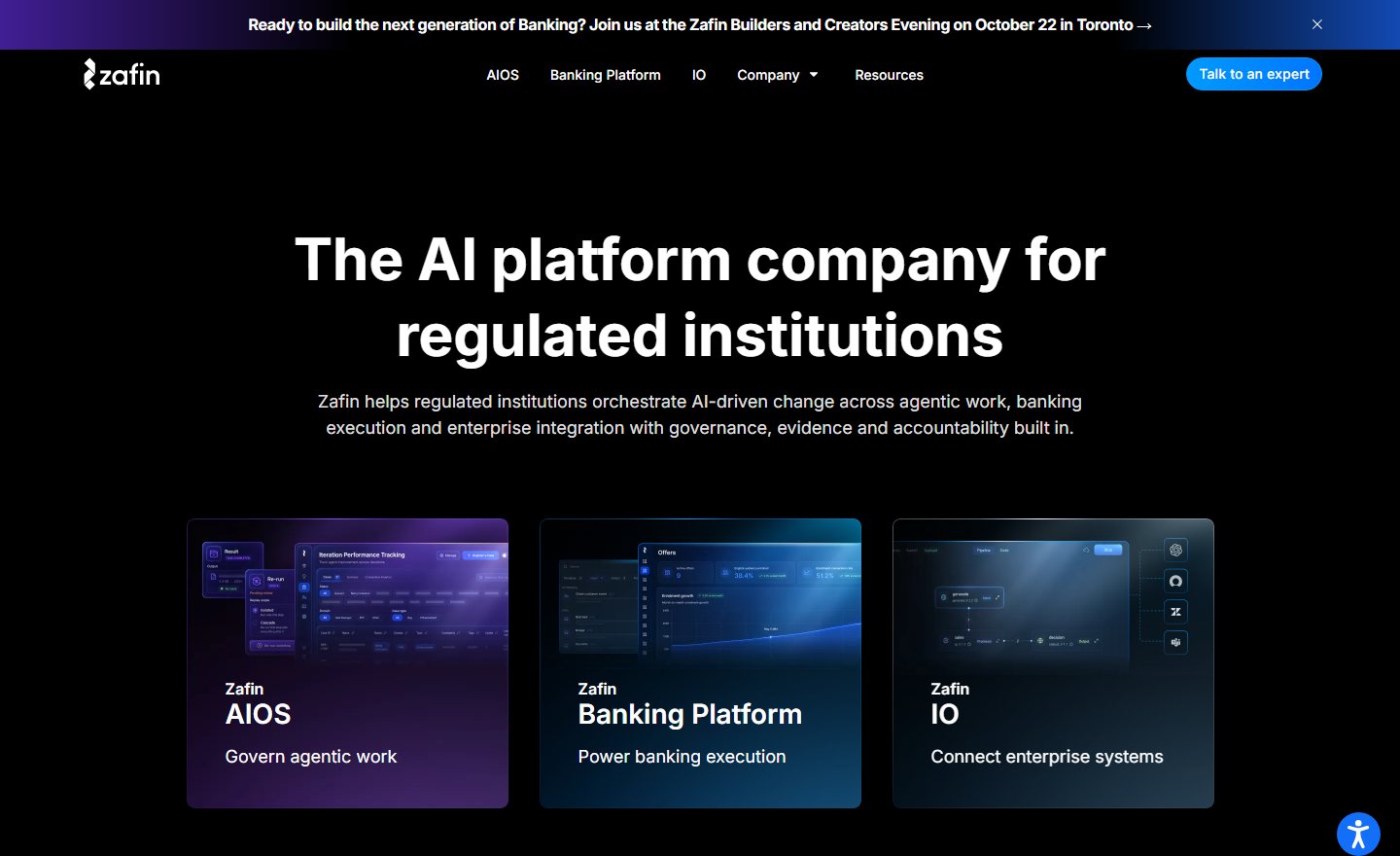
Bhavna Wadhwa leads marketing at Zafin, which positions its technology around AI-driven change in regulated institutions. The company's current platform story includes governed agentic work, banking execution and enterprise integration. That gives Wadhwa a complex subject to translate for leaders who need to understand both what a system can do and how it will fit into their existing organisation.
A bank's discussion about AI often reaches questions about authority, evidence and the systems surrounding a task. Explaining those connections is important to a credible transformation story. Wadhwa is worth following because Zafin's proposition creates room for a detailed conversation about how change is organised. In 2027, useful examples will show how a business connects new capabilities with its existing products, operating responsibilities and review processes.
8. Carpe
Carpe, the company previously known as Carpe Data, develops AI-native decision technology for property and casualty insurance. It combines insurance-specific information, models and reasoning with workflows intended to support operational decisions. The focus on a particular industry is important because the usefulness of information depends on the questions an insurer is trying to answer.
A signal about a business or claim has limited value without a way to assess its source and relevance. Carpe's emphasis on supporting evidence makes that a useful area to examine. We are watching how the company brings its data and decision approach into the daily work of insurance teams. For 2027, the interesting discussion concerns which decisions are being supported and how the people responsible can review or challenge an AI-assisted result.
9. Ash Govindia at FintechOS
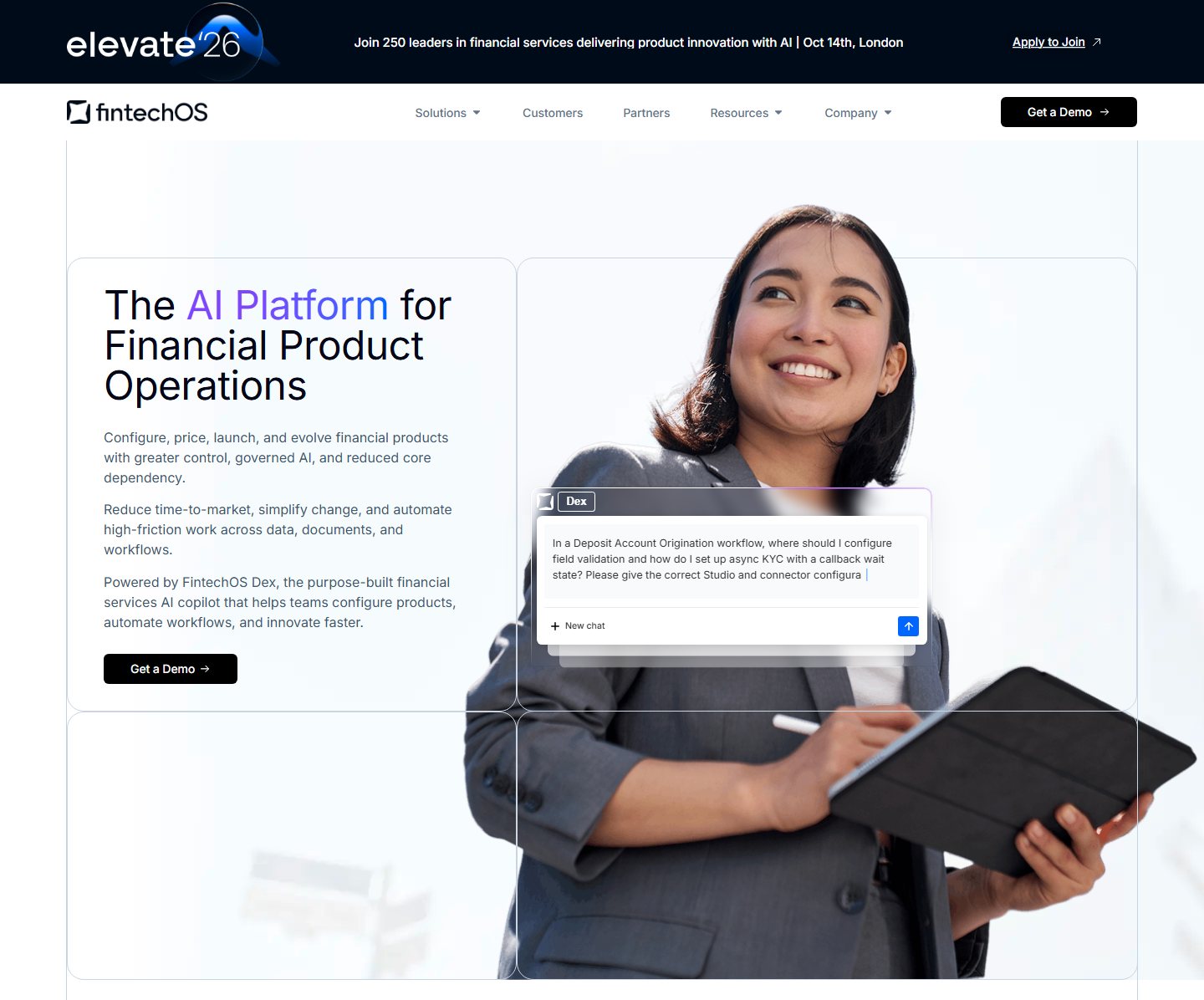
Ash Govindia is Senior Vice President of Growth at FintechOS, which provides technology for financial product operations. In the company's public partnership announcement with Finastra, he discussed the demand for faster innovation around customer onboarding. That is a useful example of a broader subject: how financial institutions improve the products and journeys around established systems.
The practical story is in the connection between a customer-facing change and the operating work behind it. A new journey still needs reliable information, integration and a team responsible for exceptions. Govindia is worth following for that growth perspective on financial technology. As 2027 plans develop, we will be interested in how FintechOS explains the steps between a proposed improvement and a financial product that teams can manage in production.
10. Adi Gazit Blecher at Justt
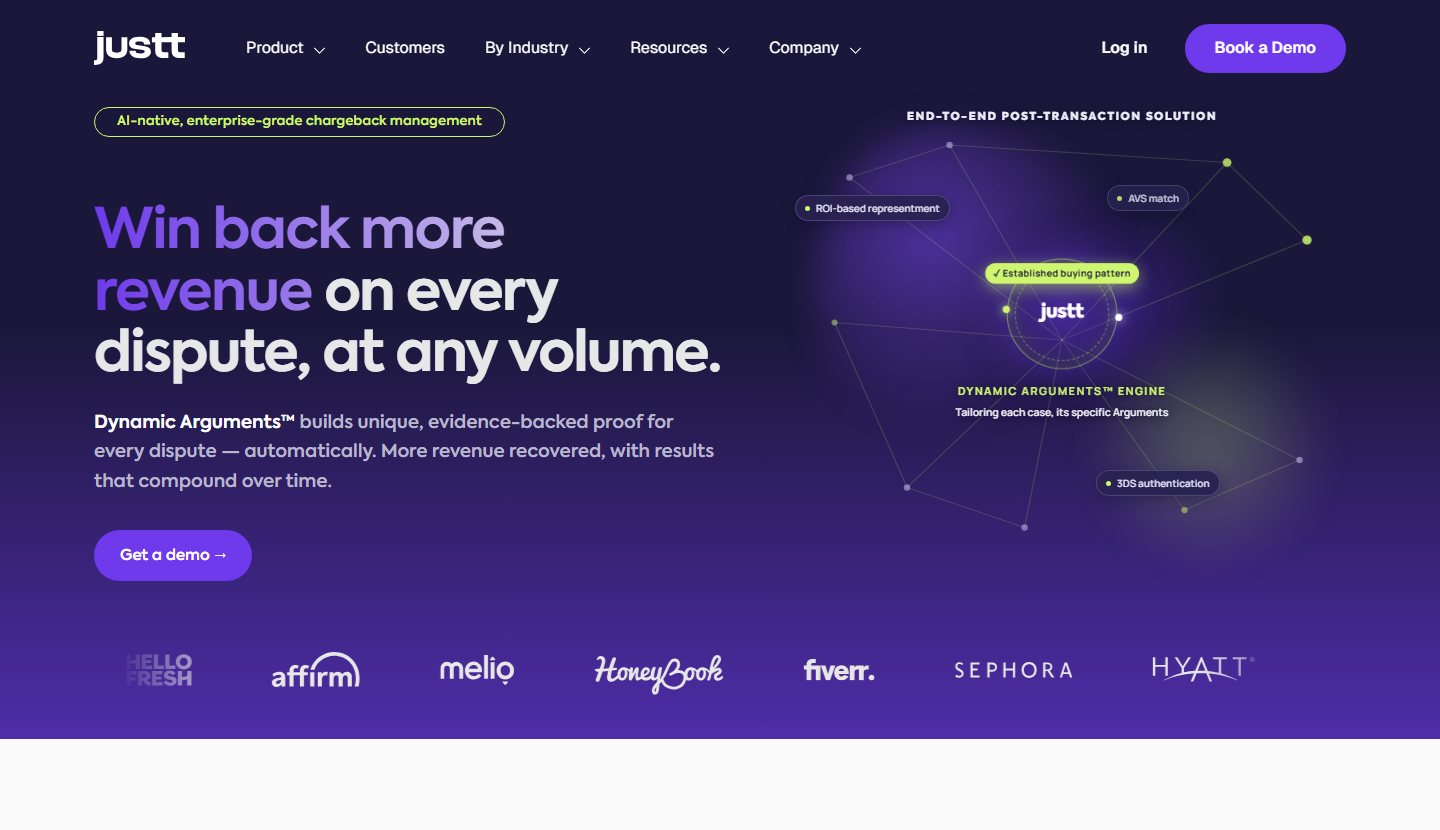
Adi Gazit Blecher writes about chargeback automation at Justt, drawing on a product marketing and sales enablement background. Her company-published articles examine how AI can help merchants handle disputes and assemble relevant evidence. That is a specific financial operations problem with a clear audience: the people who need to manage disputed transactions at a workable scale.
A useful explanation has to connect the technology with the evidence required for an individual case. It also needs to distinguish between detecting a problem, preparing a response and the eventual outcome of the dispute. Blecher's writing is worth following for how it makes those stages understandable. In 2027, we will be looking at how Justt explains automation in a way that helps merchant teams evaluate both its role and its limits.
The useful questions are about decisions
Across this group, the strongest technology stories begin with a specific piece of work. They explain the information involved, the decision it supports and what a person does next. That approach helps readers compare ideas without treating all financial AI as the same category of product.
As we follow these companies and leaders in 2027, we will be looking for examples that connect capability with operating detail. How does a team use the output? What can it inspect? How does it assess whether the change is useful? Those questions create a more informative conversation than a broad promise of transformation.
Fame helps B2B teams build podcasts around conversations that matter to their buyers. For financial technology companies with complex ideas to explain, we support the planning, production and growth of a regular expert-led programme.
Want us to run this for you?
Fame starts and grows B2B podcasts that generate pipeline. Tell us who you are trying to reach and we will send a costed proposal within 1 working day.