October 15, 20267 min read11 sections
10 Enterprise AI Companies And Leaders To Watch In 2027
By Fame Team
Key Takeaways
- A demonstration is not a deployment: buyers need to understand the data, systems and people behind a capability.
- Context is a recurring theme, from shared memory and codebase understanding to domain-specific reasoning.
- Specialist agents are most convincing when they show what a human reviews and how decisions can be inspected.
- Moving from experiment to production means evaluating, monitoring and governing the whole life of an application.
An AI demonstration can make a difficult task look simple. Bringing the same capability into a business introduces questions about the information it uses, the systems it touches and the people who remain responsible for the result. Enterprise buyers need an explanation of that operating environment before they can judge what the technology might change.
For our 2027 enterprise AI watchlist, we have brought together five companies and five people addressing different parts of that work. Some focus on specialist workflows, while others provide the context, infrastructure or skills needed to use AI effectively. Their value as a group is the range of practical questions they raise, from how a bank reviews a financial crime alert to how an engineering team changes an established codebase.

1. Kian Katanforoosh at Workera
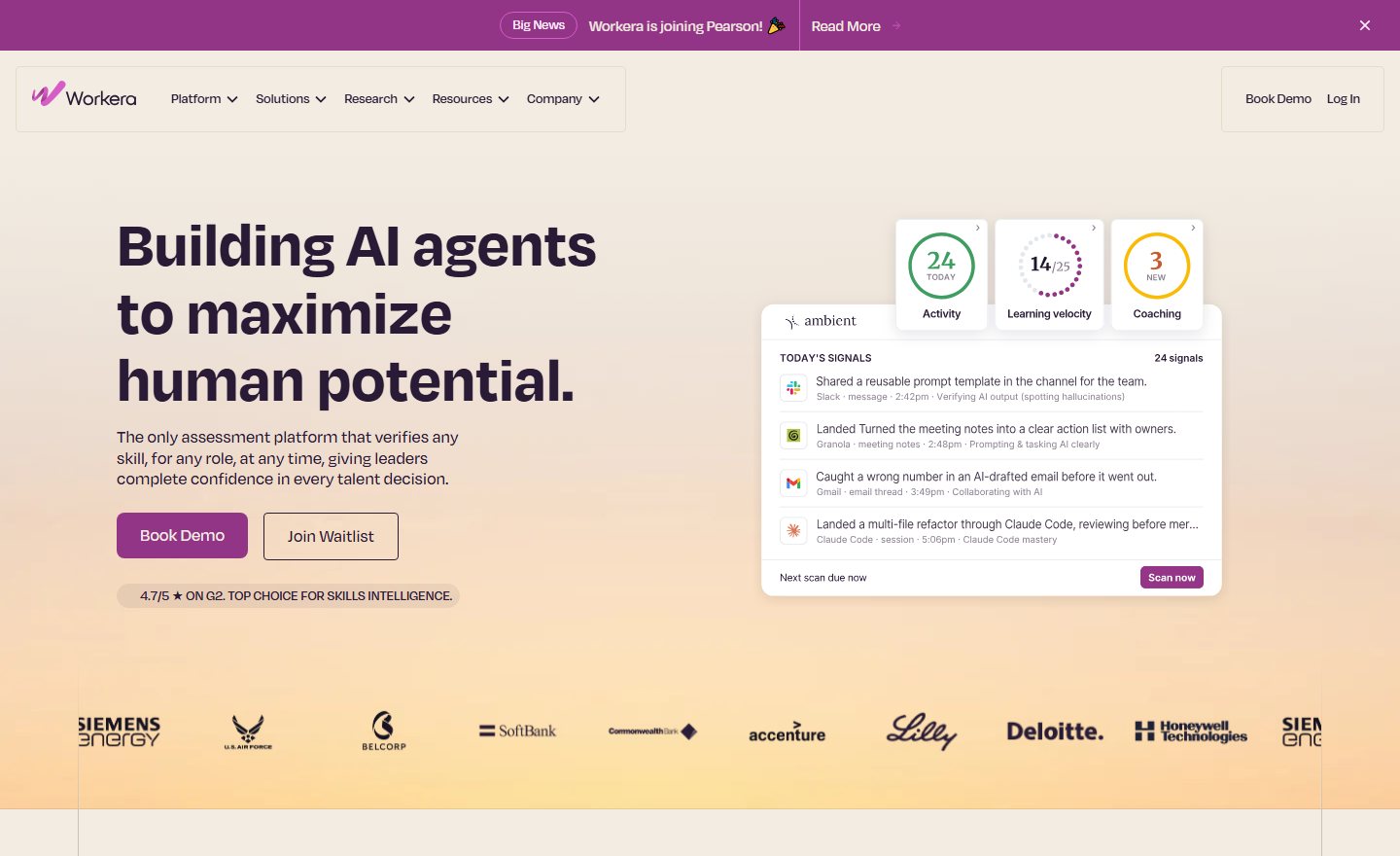
Kian Katanforoosh, co-founder and CEO of Workera, is focused on helping organisations understand what their people can do. Workera uses skills assessments and AI to support decisions about hiring, development and workforce readiness. Its approach gives enterprise AI adoption a human dimension: the usefulness of new technology depends partly on whether people have the capabilities to apply it.
A training programme can record attendance without establishing how confidently a team can perform a task. Skills evidence creates a more specific starting point for development and for deciding where assistance is needed. Katanforoosh is worth following as companies move from broad AI training plans towards clearer assessments of readiness. The interesting question for 2027 is how that evidence changes the work people are actually asked to do.
2. WorkFusion
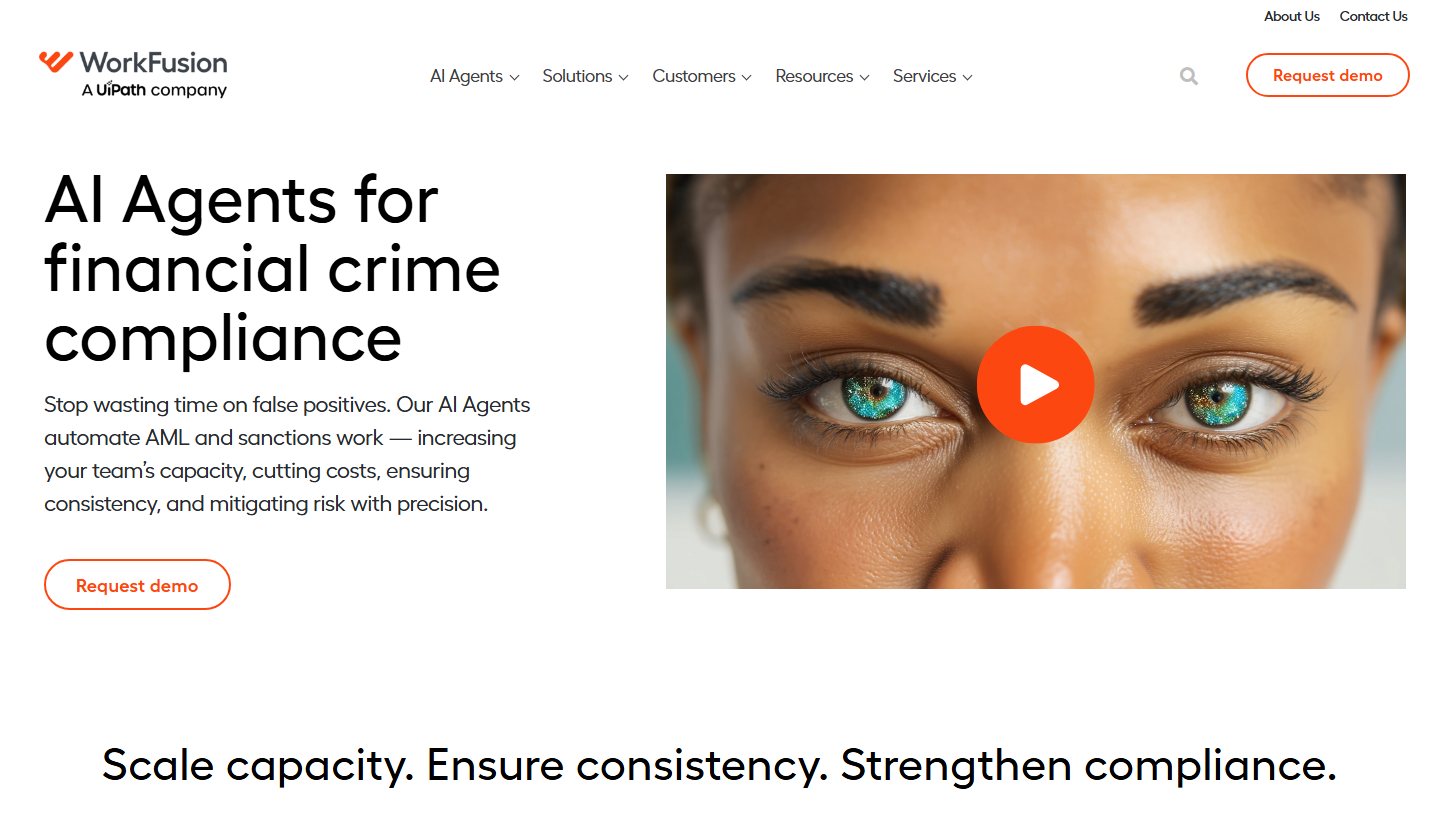
WorkFusion develops AI agents for financial crime compliance, including work across customer screening, investigations and related processes. It became a UiPath company in February 2026, connecting its specialist agents with a wider automation and orchestration portfolio. That combination makes it a useful company to follow for a view of how industry-specific AI fits into larger enterprise workflows.
The buyer's questions are concrete. Which parts of an investigation can the agent handle? What does a human review? How can the organisation inspect the basis for a decision? WorkFusion's focus creates room for detailed answers to those questions, using the actual tasks of compliance teams. As 2027 approaches, we will be interested in how specialist agents connect with existing controls and the systems around them.
3. Automation Anywhere
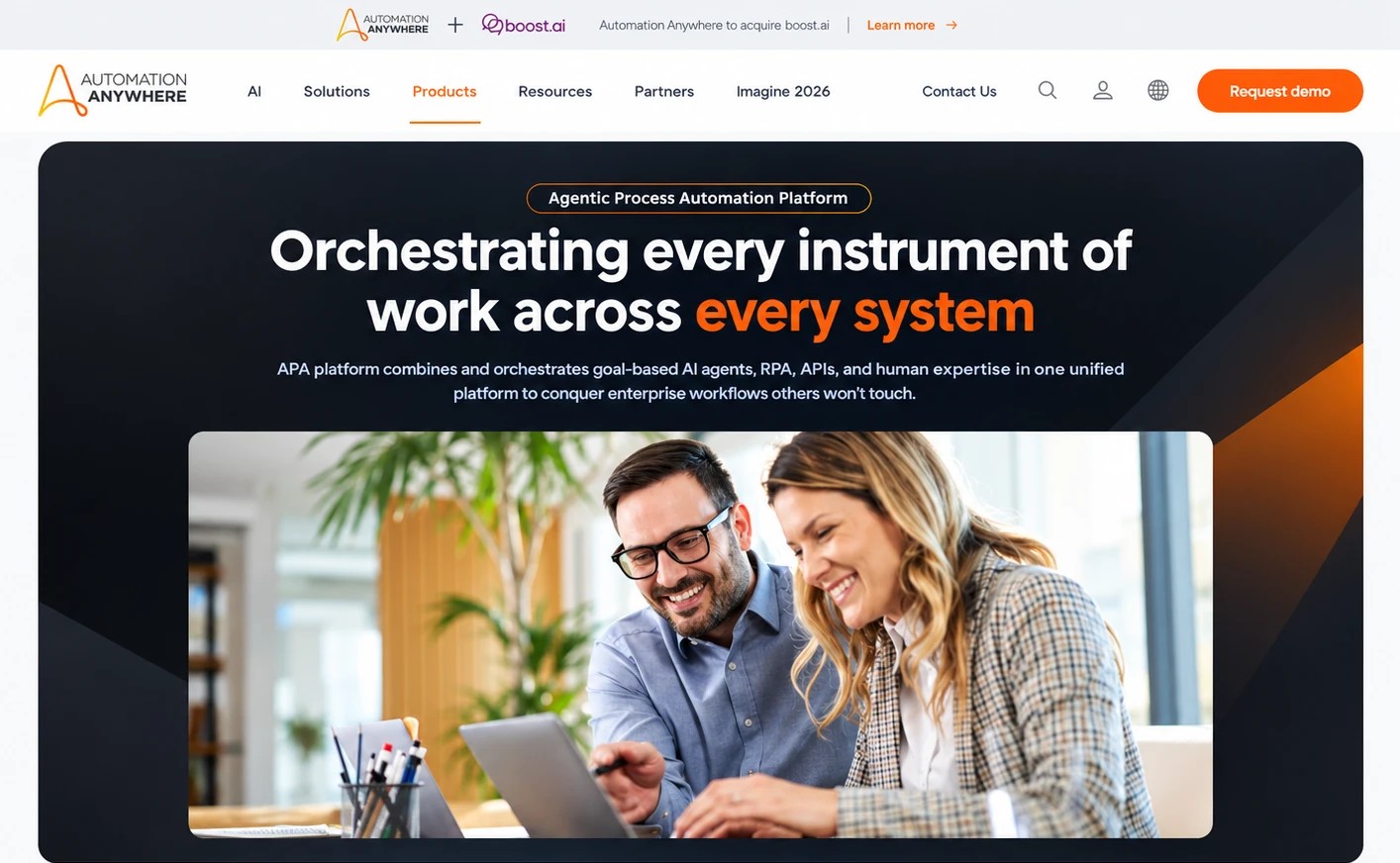
Automation Anywhere works on enterprise automation and the orchestration of AI agents, automation tools and people. Its proposition is relevant to organisations whose processes run across several applications and require different kinds of decision-making. In that setting, an AI agent has to fit into a sequence of work with clear handoffs and responsibilities.
Consider a process that starts with an incoming request, checks information in another system and reaches a point where an employee must approve an exception. The quality of the overall workflow depends on how those stages connect. Automation Anywhere is worth following for that broader process perspective. For 2027, the useful evidence will show where orchestration makes complex work easier to manage and how teams retain control over exceptions, access and completion.
4. DevRev
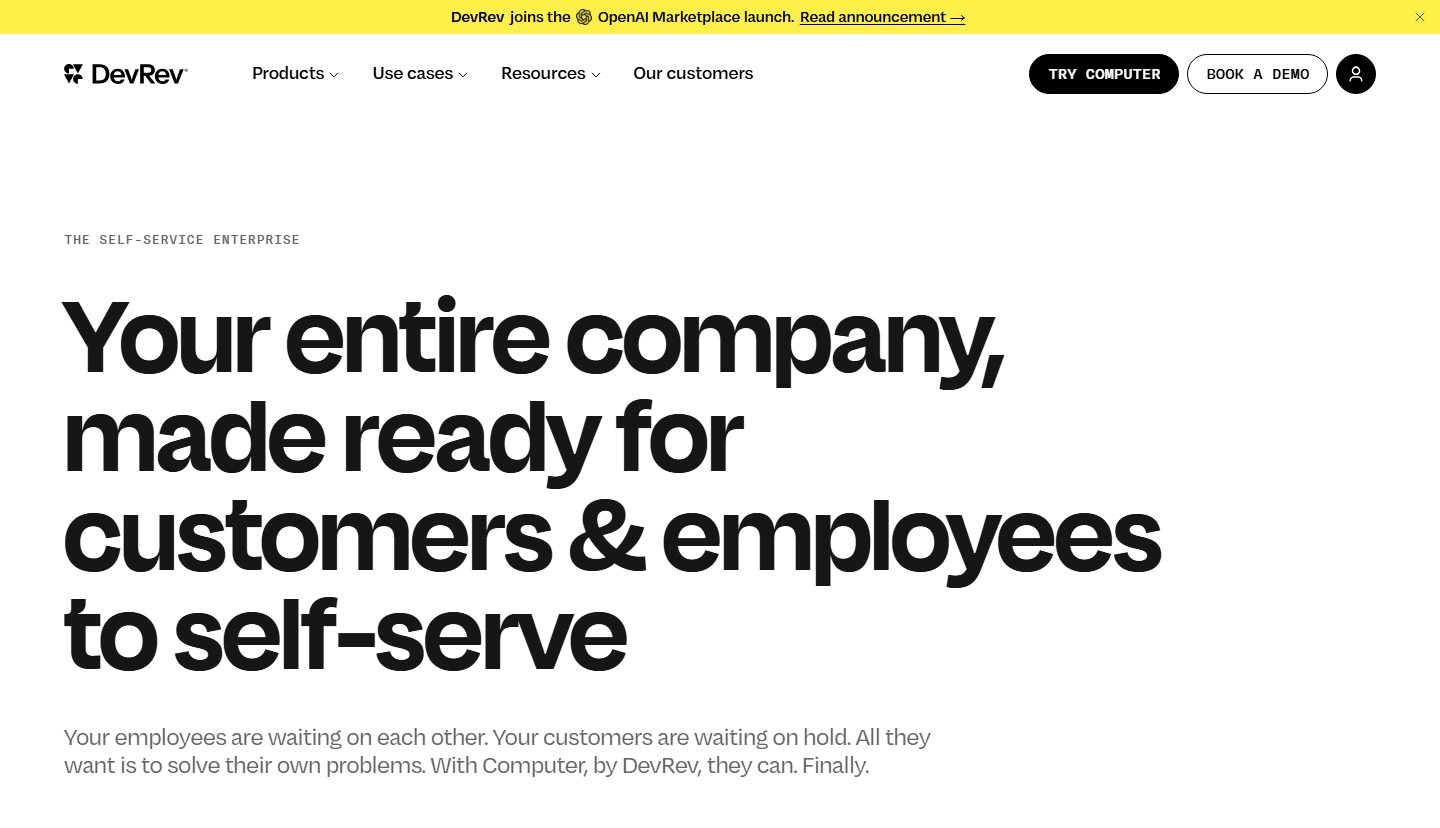
DevRev describes its AI platform around native shared memory and the context available across a business. That emphasis is relevant when useful information sits in customer conversations, product work and several disconnected applications. An AI system needs a way to understand how those pieces relate before it can provide dependable help with a task.
For an enterprise buyer, the opportunity is to connect a question with the organisational knowledge required to answer it. The difficult part is maintaining that context as products, customers and internal processes change. DevRev belongs on this watchlist because it is building around that connected environment. We will be looking at how its approach makes knowledge useful across teams while giving people a clear way to understand the information behind an AI response.
5. Chris du Toit at Tabnine
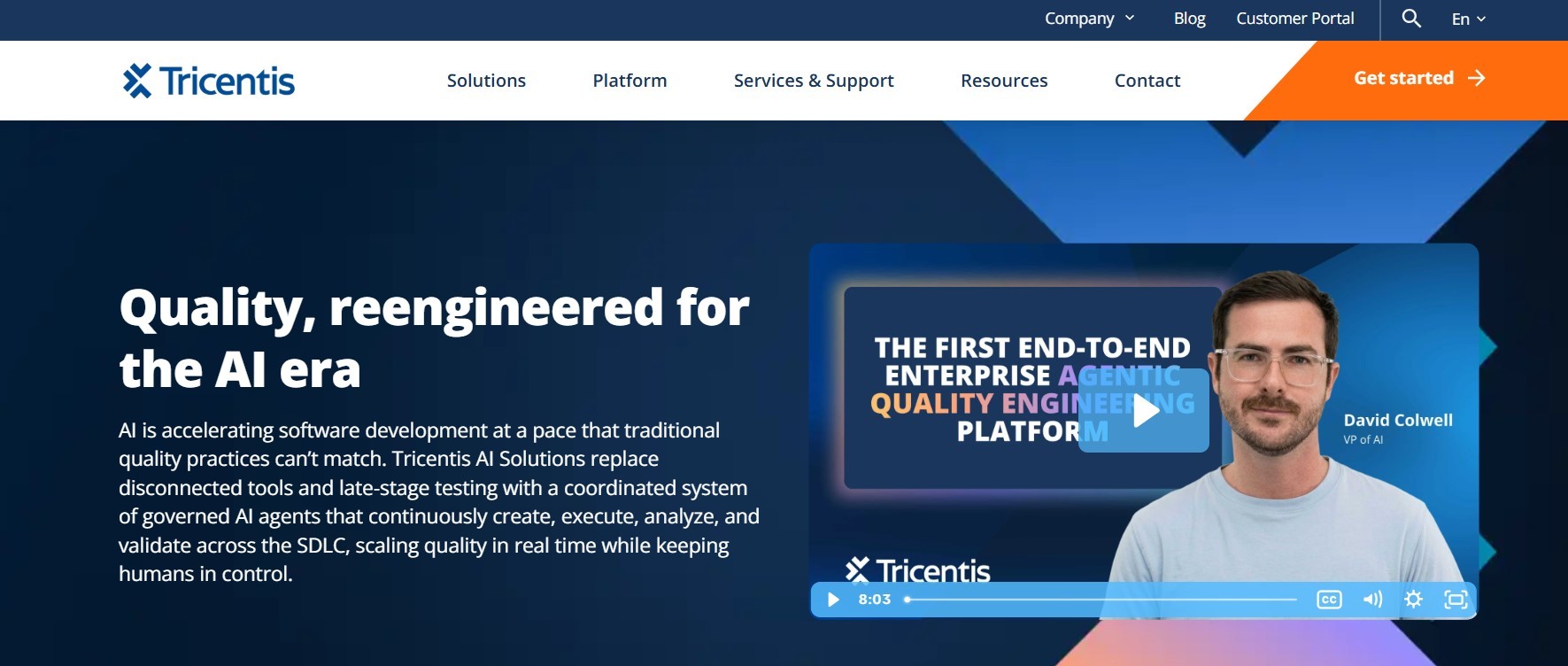
Chris du Toit's public writing at Tabnine addresses a specific limitation of AI-assisted development: generated code needs an understanding of the environment in which it will run. In his introduction to the Enterprise Context Engine, he describes the importance of architecture, dependencies, ownership and service boundaries. That is a useful starting point for an enterprise discussion about coding assistance.
A change can look reasonable in isolation and still create work elsewhere in a system. Engineering leaders therefore need to understand what an assistant knows about the wider codebase and how its output will be checked. Du Toit's work makes that conversation more concrete. Looking towards 2027, we are interested in the connection between better organisational context and development workflows that teams can review and govern.
6. Articul8
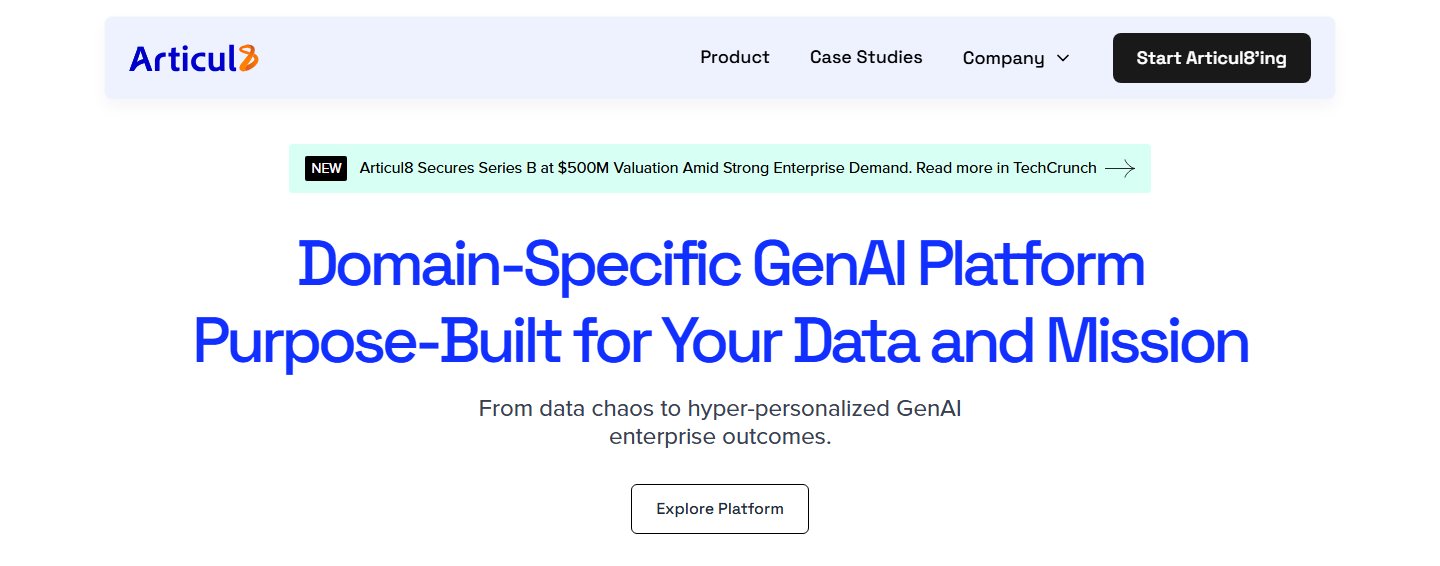
Articul8 builds generative AI technology for complex enterprise environments, with an emphasis on domain-specific models and reasoning. The company describes its platform around the needs of regulated industries and work that depends on specialised knowledge. That gives it a clear place in a discussion about how AI handles the information and constraints of a particular business.
A general answer may be easy to generate, but a useful enterprise answer must respect the organisation's data, terminology and decision process. Buyers need to see how that domain understanding is developed and how they can assess the resulting output. Articul8 is worth watching for the detail it brings to that explanation. In 2027, practical examples of deployment, evaluation and human oversight will help organisations judge where specialist reasoning creates value.
7. Vivian Kim at AnswerRocket
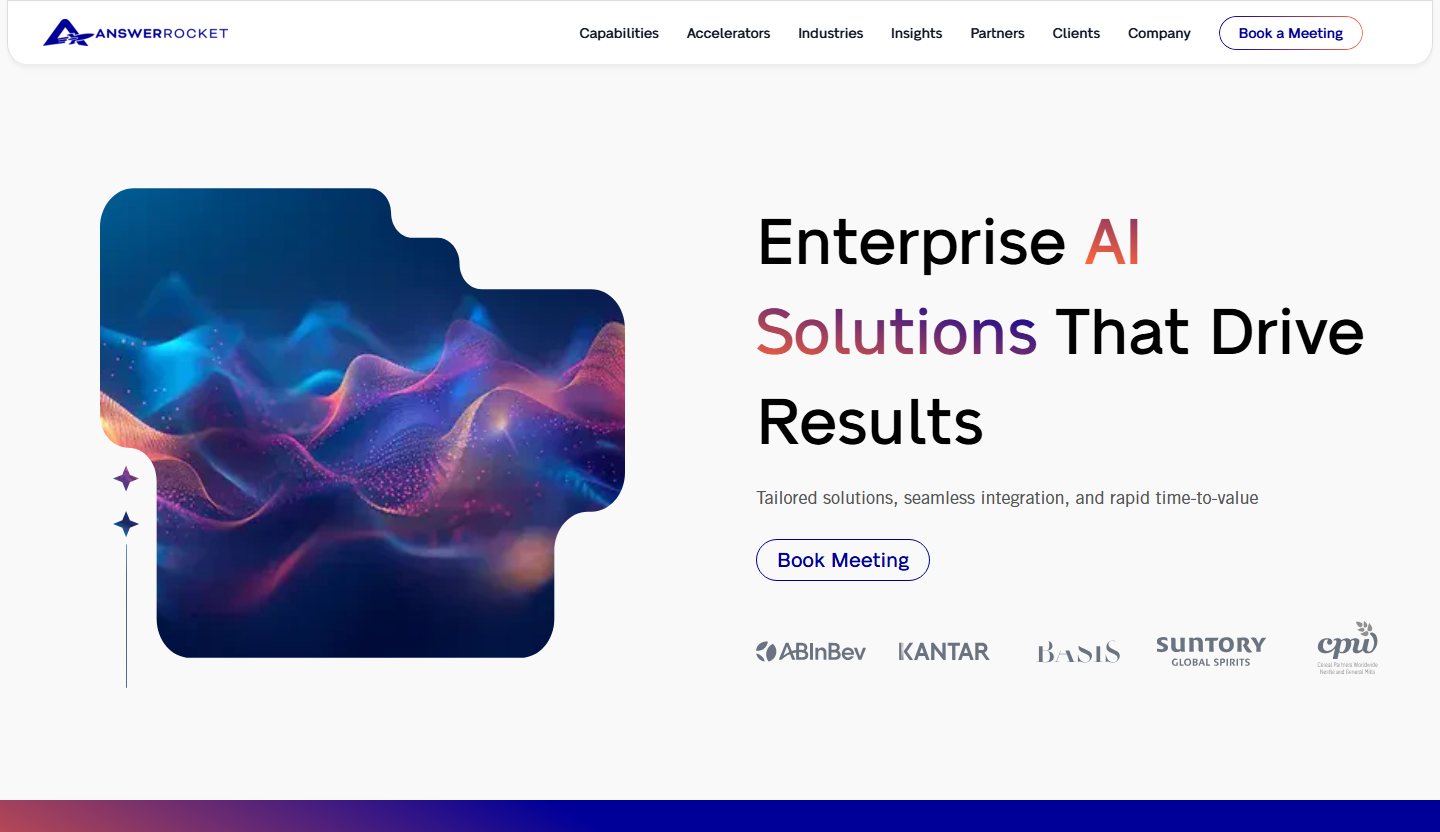
Vivian Kim, Marketing Director at AnswerRocket, works at the intersection of enterprise AI and business analytics. AnswerRocket's platform is designed to help teams use AI in the process of exploring data and answering business questions. Her company-published writing provides a place to examine how that technical proposition is explained to the people expected to use it.
The useful conversation begins with a business decision: what does a team need to know, and what evidence would help it act? An explanation grounded in that question is easier to assess than a demonstration that ends with an attractive chart. Kim is included because making analytics useful to business audiences is an important part of adoption. We will be watching how AnswerRocket connects questions, analysis and decisions as enterprise expectations of AI develop.
8. Andrew Joiner at Hyperscience
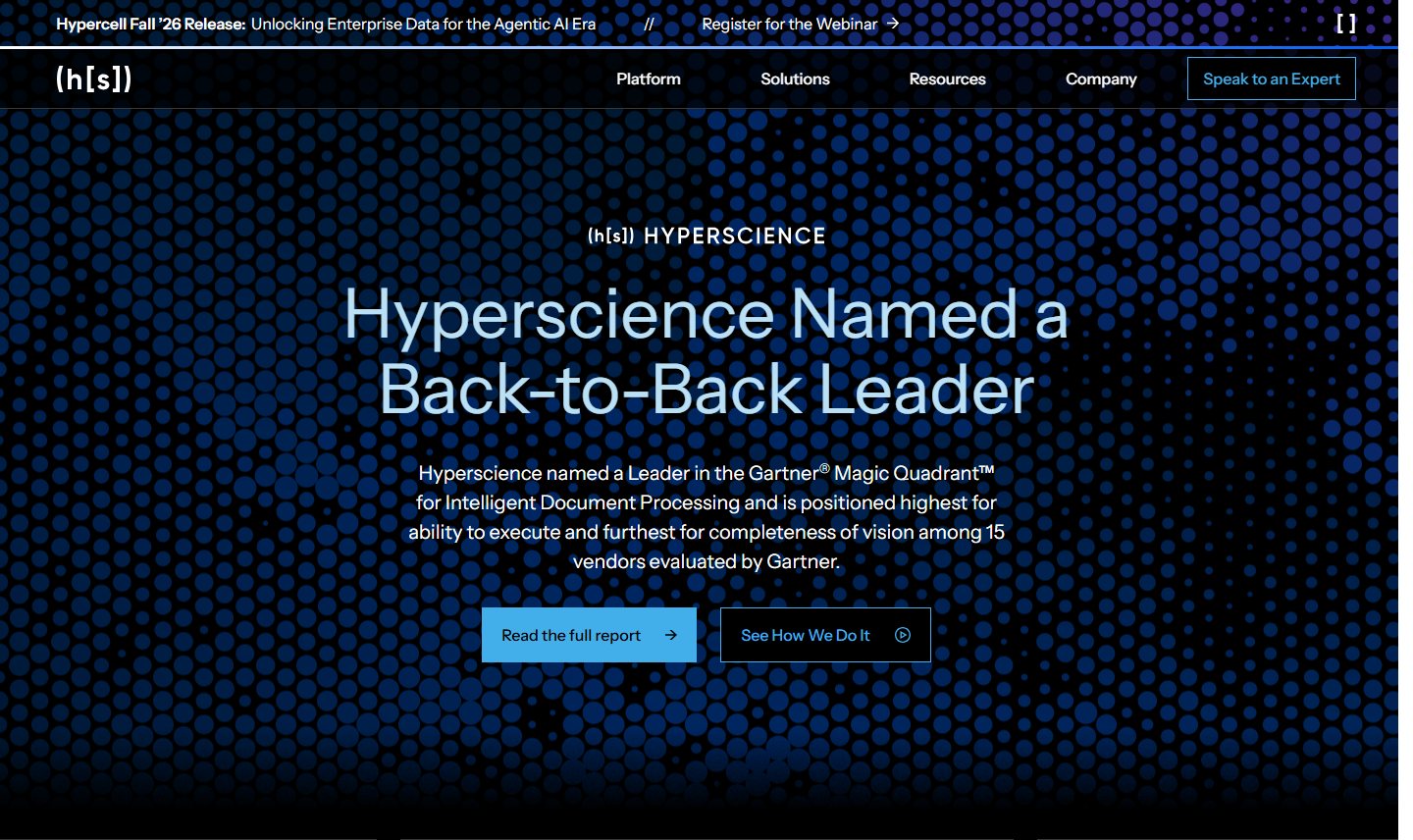
Andrew Joiner leads Hyperscience, which develops enterprise AI infrastructure with a foundation in intelligent document processing. The company's Hypercell platform addresses the work of turning documents into information that systems and people can use. Its Spring 2026 release also described ways to route workloads across computing resources and models, reflecting the operational choices behind an AI deployment.
That story is relevant to businesses where important processes still begin with a form, document or record. Accuracy, review and the handling of exceptions affect whether automation is useful in practice. Joiner is worth following for a view of how document intelligence connects to wider enterprise AI workflows. The next questions concern how that information enters production systems and what evidence teams retain as they rely on it.
9. DataRobot
DataRobot provides a platform for building, operating and governing enterprise AI, including agentic applications. Its current positioning emphasises taking AI into production, particularly in environments where businesses need control over how systems are deployed and used. That makes it relevant to buyers who are trying to connect individual experiments with an operating capability they can maintain.
Those buyers need to consider the whole life of an application. A team has to evaluate it, monitor its behaviour and respond when the business or underlying information changes. DataRobot is worth following because its platform story sits across those responsibilities. For 2027, we will be interested in examples that make the transition into production understandable, including how organisations decide what to automate and when a person should intervene.
10. Shatay Trigère at RapidCanvas
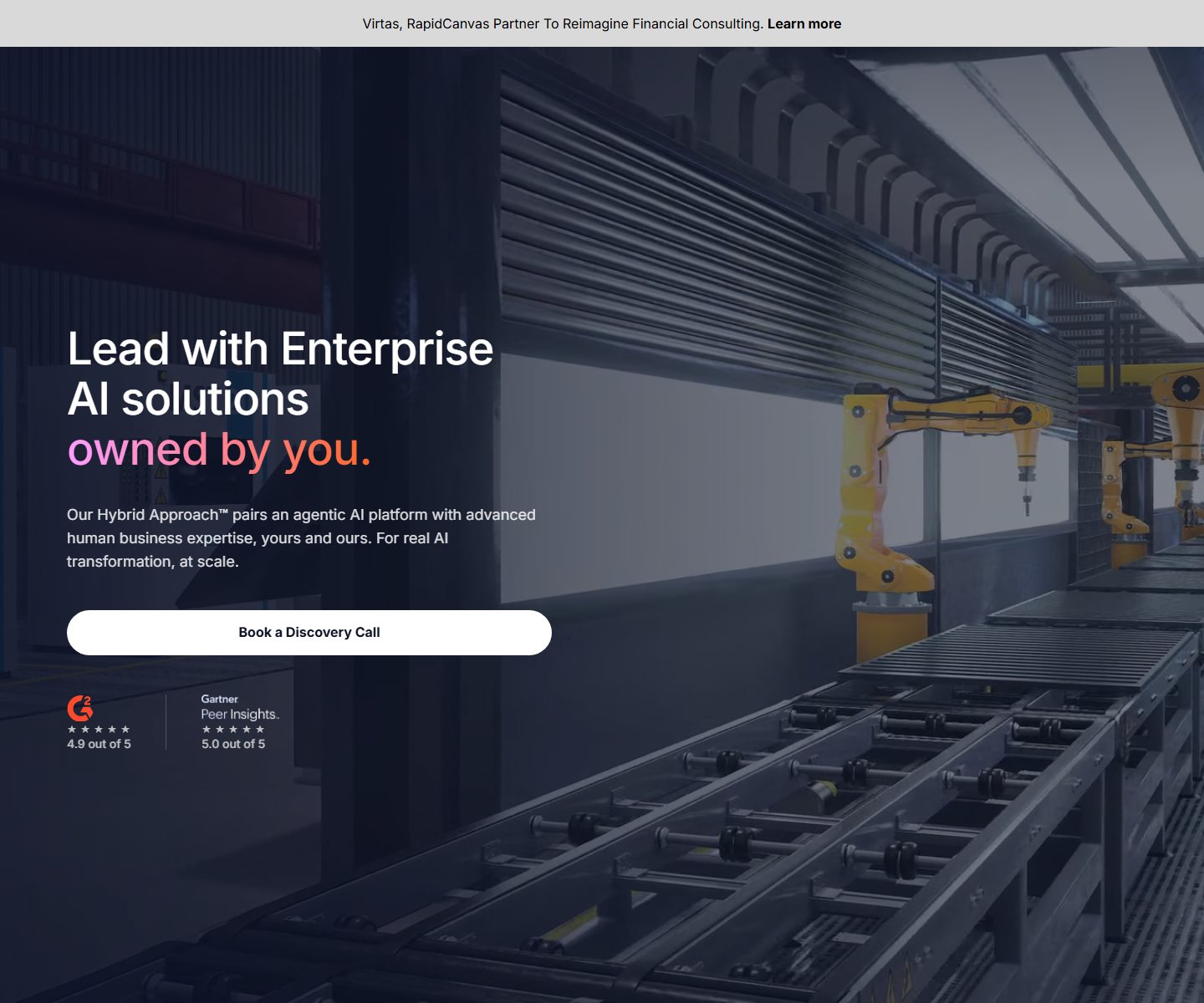
Shatay Trigère is Chief Marketing Officer at RapidCanvas, which combines AI agents with human expertise to help organisations develop AI solutions. The company describes its approach around practical transformation, bringing technical capability and business context into the same engagement. That gives Trigère an important subject to explain to buyers assessing what delivery will involve.
A business considering AI needs to understand who frames the problem, how the system is evaluated and where expert judgement remains part of the work. The balance between agents and people is therefore a useful place to focus the conversation. We are watching how RapidCanvas makes that operating model concrete. In 2027, clear examples of collaboration and responsibility will help buyers understand what they are building, how it will be supported and what progress should look like.
The enterprise story is in the operating detail
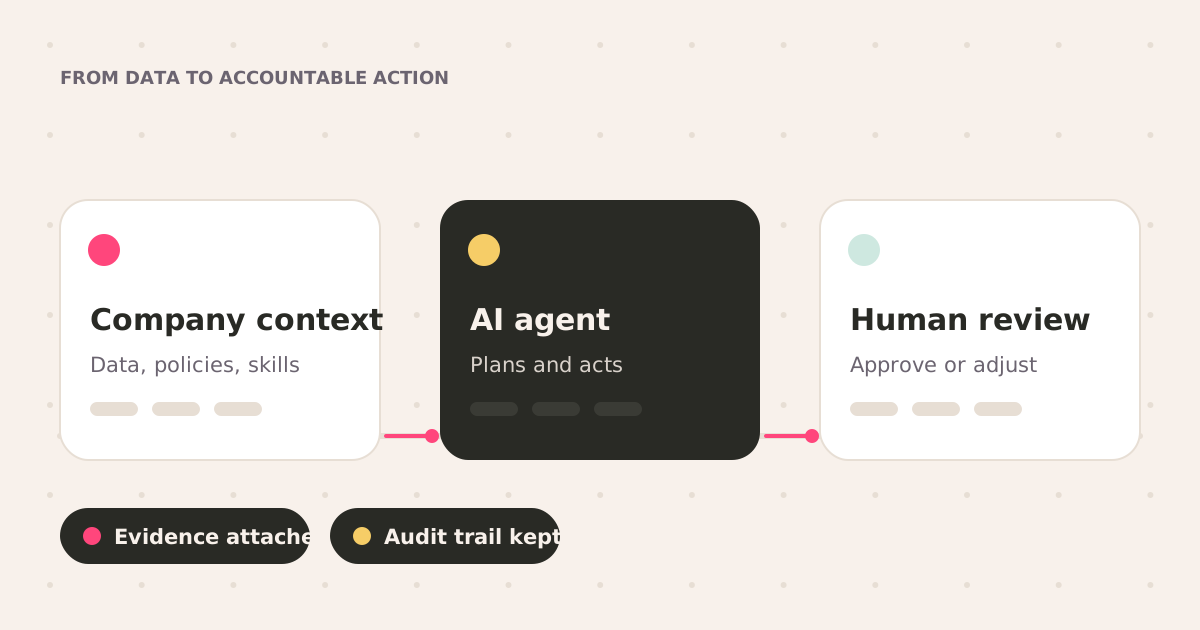
This group covers skills, specialist agents, development tools and the infrastructure behind AI applications. The common question is how a capability becomes part of work that a business can understand and support. The answers require enough detail to identify the data involved, the decision being made and the person accountable for it.
That is the level at which we will be following these companies and leaders in 2027. A useful explanation should help a buyer picture a real process, assess the conditions for success and recognise the limits. It should also make room for the people who will use the system after the demonstration ends.
Fame helps B2B teams create podcasts that make expertise accessible through regular conversations. If your team wants to explore the practical questions behind enterprise AI, our services cover planning, production and audience growth.
Want us to run this for you?
Fame starts and grows B2B podcasts that generate pipeline. Tell us who you are trying to reach and we will send a costed proposal within 1 working day.