October 15, 20267 min read11 sections
10 Data And Cybersecurity Companies And Leaders To Watch In 2027
By Fame Team
Key Takeaways
- Enterprise AI makes data teams and security teams answer the same questions: what does this data mean, and who or what may use it.
- Identity, access and data movement are the control points to watch as AI agents act on behalf of more people.
- Shared context and clear definitions matter as much as the model when a business wants answers it can trust.
- Look for providers who can explain their technology inside an ordinary workflow, including what happens when something goes wrong.
An AI assistant can access a database and still misunderstand a financial definition, overlook a restriction on sensitive information or use a connection nobody intended to grant. These problems bring data teams and security teams into the same conversation.
Our 2027 watchlist brings together five companies and five people making enterprise information easier to understand, use and protect. Their work spans data infrastructure, analysis, identity security and digital trust: practical foundations that shape what enterprise AI can do.

1. Sarah Acker at HUMAN Security
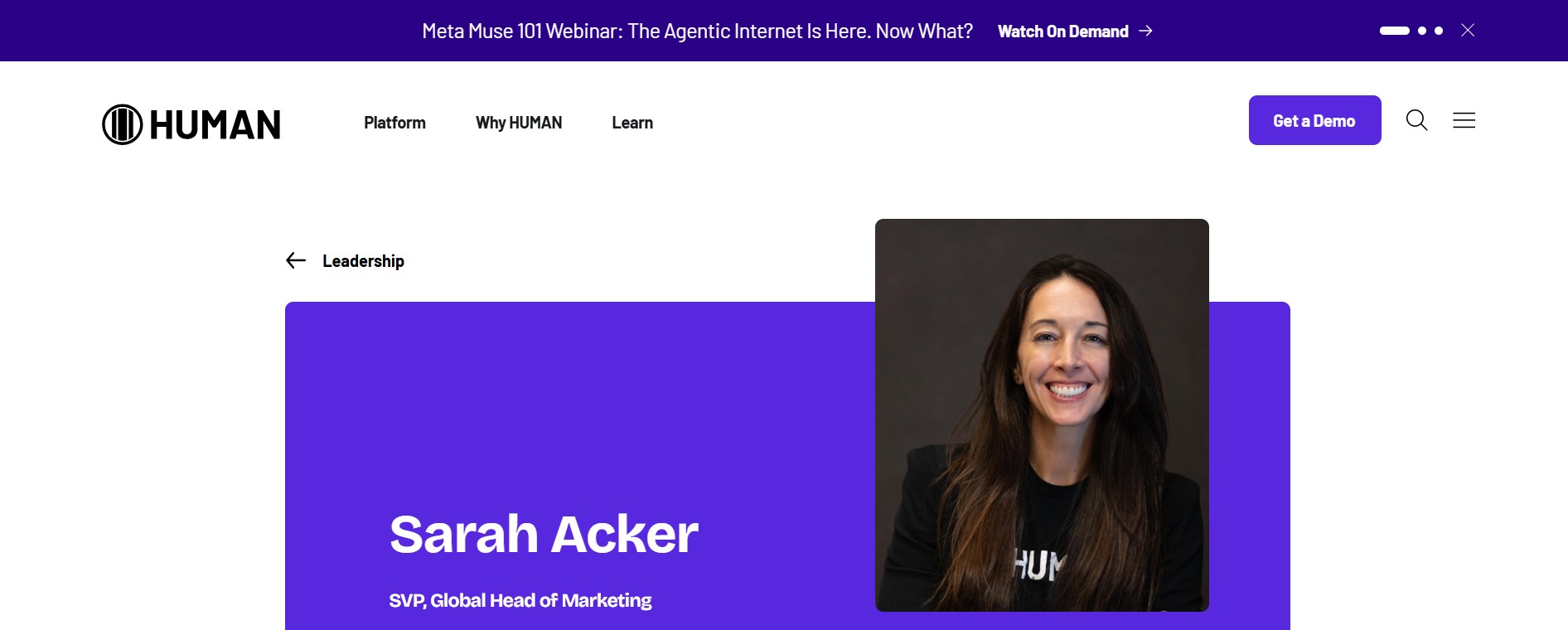
Sarah Acker leads global marketing at HUMAN Security, with a remit covering brand, communications, revenue marketing and product marketing. The company works on protecting digital interactions against bots, fraud and abuse. Its relevance is becoming easier to explain as businesses encounter both legitimate automation and malicious activity along the same customer journeys.
That creates an interesting communication challenge for Acker and her team. Buyers need to understand which interactions they should trust, what evidence supports that decision and how protective measures affect real customers. We are watching how HUMAN makes those distinctions understandable as AI agents take on more online activity. Clear explanations of digital trust could become increasingly valuable to teams responsible for both security and commercial performance.
2. Sarah Tatone at Smarsh
Sarah Tatone, Vice President of Brand and Communications at Smarsh, has written about the implications of AI for how businesses communicate with buyers. Smarsh itself focuses on communications data and intelligence, helping organisations capture, retain and oversee business communications. That gives her work a useful connection between explaining AI and working in a company whose customers need defensible records of digital activity.
The interesting story is how a brand earns trust when its subject is complex and the consequences of misunderstanding are substantial. In 2027, we will be looking for practical examples that connect communications governance to everyday business decisions. Tatone's public writing offers a relevant starting point for a broader discussion about evidence, transparency and how enterprise technology companies explain their value.
3. Opal Security
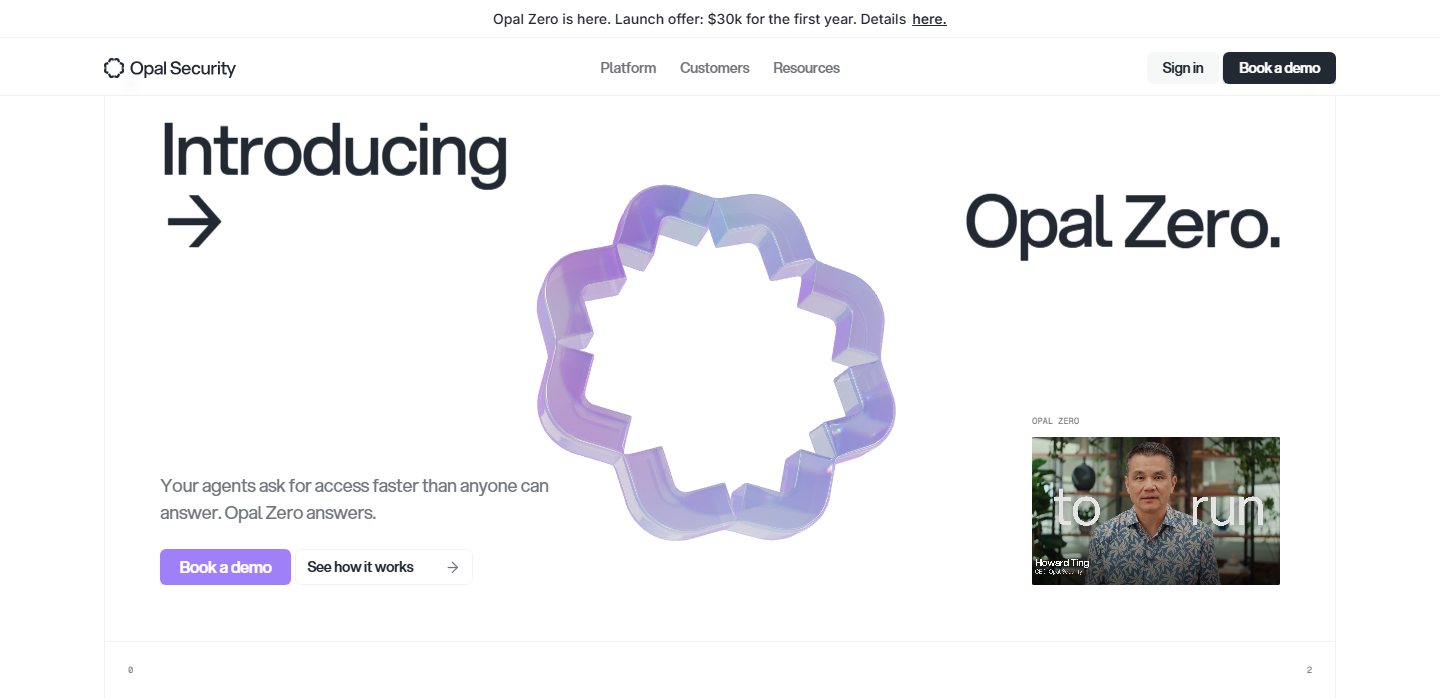
Opal Security builds an access governance platform for identities across modern infrastructure, including employees, services and AI agents. Its approach centres on understanding who or what can reach a resource, setting policy and responding as access requirements change. The company describes its platform as AI native, with identity governance designed for environments that are becoming more dynamic and autonomous.
The business question is straightforward: when an automated system takes an action, can the organisation explain why it had permission to do so? Opal is worth following because that question becomes harder as software acts on behalf of more people and teams. In 2027, useful progress will include clearer ownership of access decisions and less reliance on permissions that remain open long after the original task has ended.
4. Garima Kapoor at MinIO
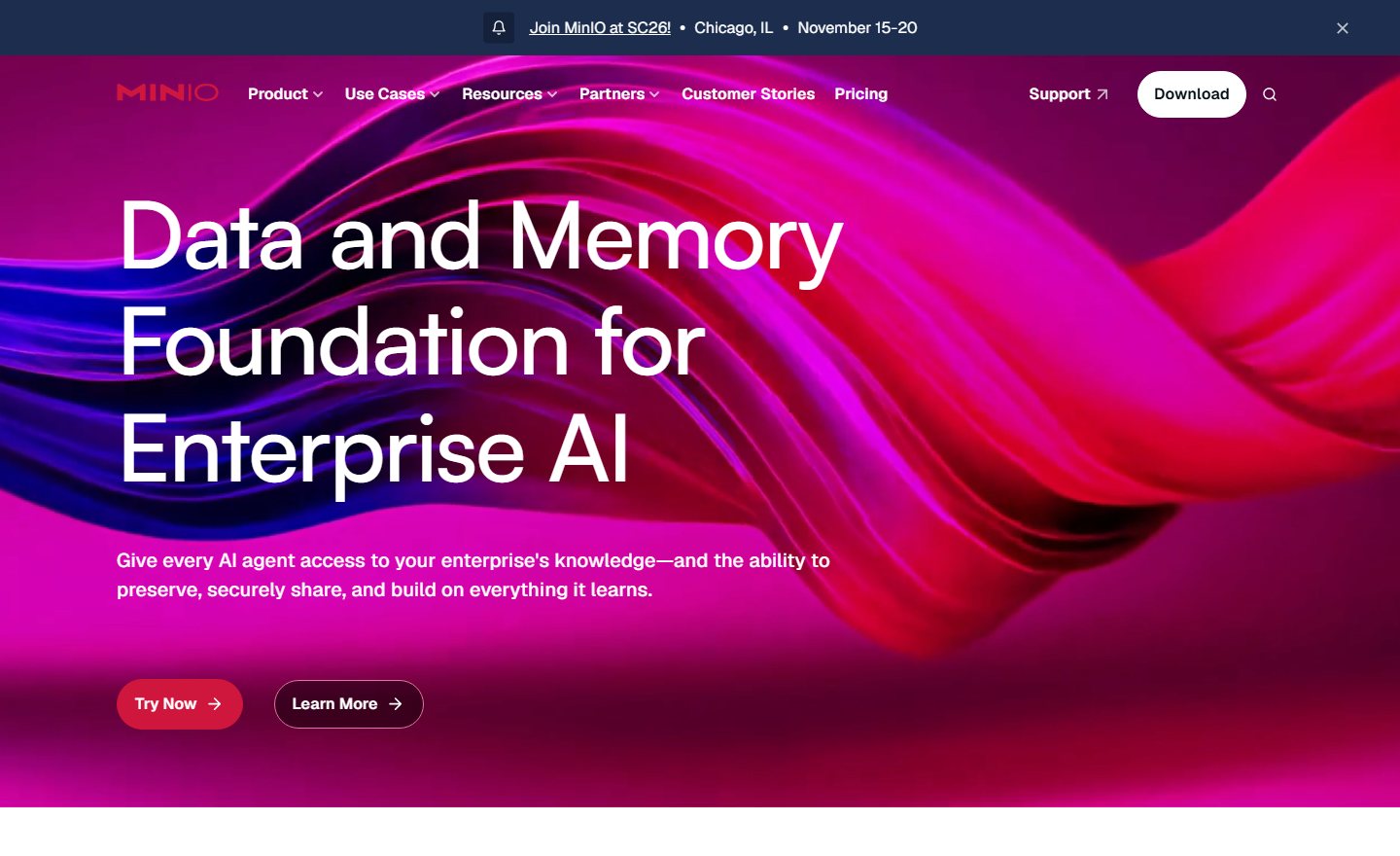
Garima Kapoor is a co-founder and co-CEO of MinIO, which provides data infrastructure for enterprise AI. The company now describes its offering around the data and memory foundation that AI applications need, bringing together object storage and supporting infrastructure across enterprise environments. Its focus places Kapoor close to a practical constraint on AI adoption: useful applications need reliable access to the information they depend on.
For buyers, the discussion extends beyond storing more data. They need to consider how information moves between systems, how it remains available and how its use is governed. We are watching how MinIO explains those infrastructure choices in the context of real AI workloads. Kapoor's perspective is relevant to leaders trying to connect investment in underlying systems with applications that their organisations can sustain.
5. EclecticIQ
EclecticIQ focuses on cyber threat intelligence, helping security teams turn information about threats into something they can use in investigations and decisions. Its platform brings intelligence into the context of the organisation, rather than leaving analysts to interpret a stream of disconnected external reports. That is a useful area to watch as teams explore AI assistance for security work.
A security analyst needs to know why a threat matters to this business, which evidence supports it and what action deserves attention. More generated summaries will only help if they improve that reasoning. In 2027, we will be interested in how EclecticIQ connects intelligence to an organisation's priorities while keeping the supporting information accessible to the people responsible for assessing and acting on it.
6. Hex
Hex brings data analysis and collaboration into a shared environment for people and AI agents. Its platform combines tools for working with data with capabilities intended to make trusted answers accessible to a wider group of users. The current product story includes shared context and evaluation, reflecting the importance of helping an AI system understand the business behind a question.
That matters when a confident answer can still rest on the wrong definition or dataset. Analysts need ways to inspect the work, explain assumptions and share findings that colleagues can use. We are watching how Hex balances that specialist workflow with the demand for easier access to analysis. The strongest examples in 2027 will help organisations ask more useful questions while retaining a clear connection between an answer and its evidence.
7. Derek Collison at Synadia
Derek Collison, founder and CEO of Synadia and creator of NATS, works on the infrastructure that connects distributed systems. Synadia describes its role around giving agents, devices and services a common way to find, trust and coordinate with one another. This is a different part of the enterprise AI story from the model itself, but it affects how an application operates across a real business.
An AI workflow may need to receive an event, request information and pass a task to another service. Those interactions depend on communication that remains dependable as the environment changes. Collison is worth following for that systems perspective. Looking towards 2027, we are interested in how Synadia makes the coordination requirements of distributed AI understandable to organisations planning applications across multiple locations and technologies.
8. Yukti Agarwal at Atlan
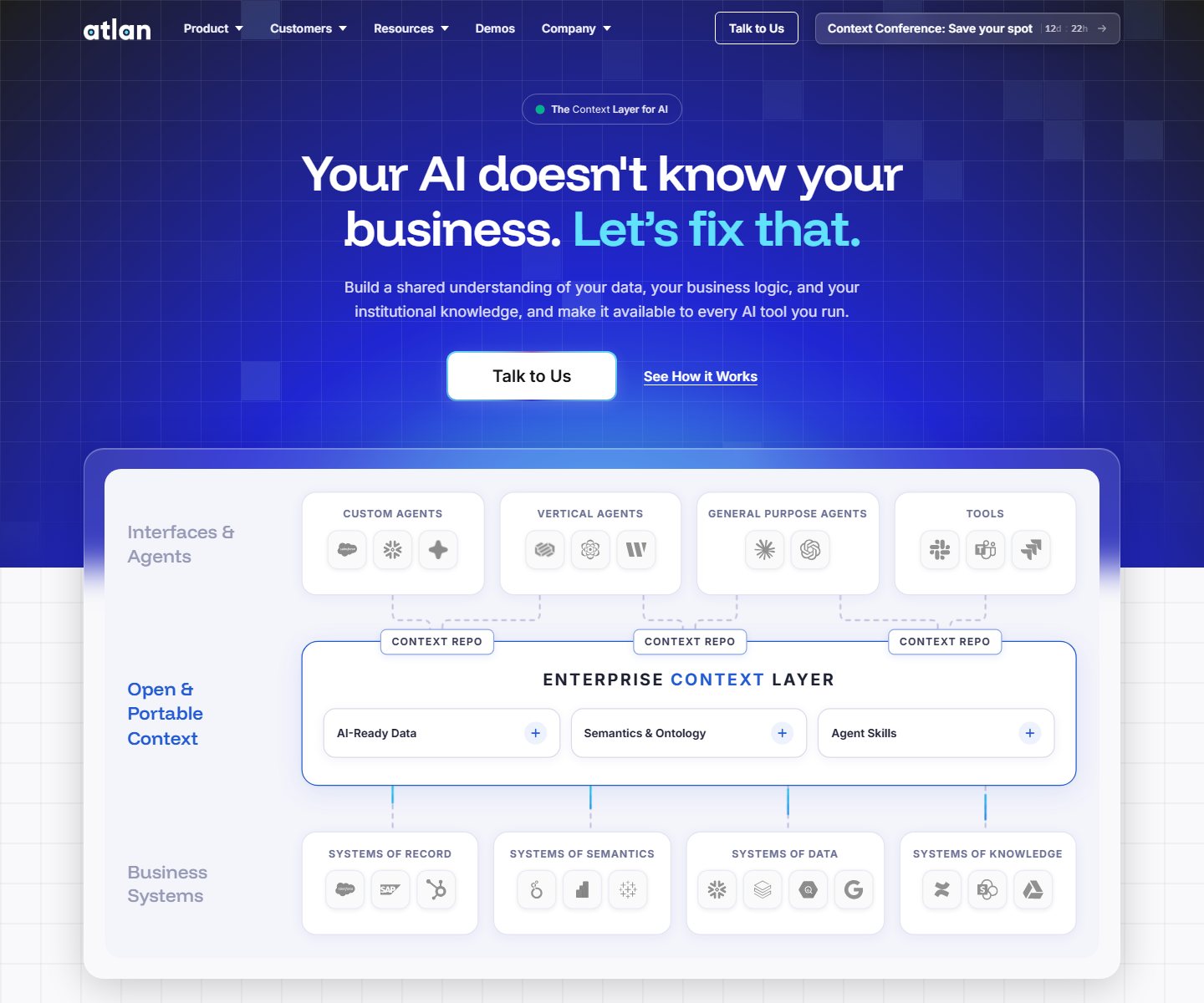
Yukti Agarwal is named as a marketing leader at Atlan, a company focused on the context layer for enterprise AI. Atlan connects information about data, business logic and institutional knowledge so that people and AI tools can work from a shared understanding. Its proposition addresses a familiar problem: the same business term can mean different things across departments and systems.
Making that problem concrete is an important marketing task. A buyer needs to see the connection between metadata or business definitions and a decision that affects their team. Agarwal is included here because that translation sits at the centre of Atlan's market story. In 2027, we will be watching for examples that show how shared context improves the usefulness of AI without leaving people guessing about what an answer means.
9. Cyberhaven
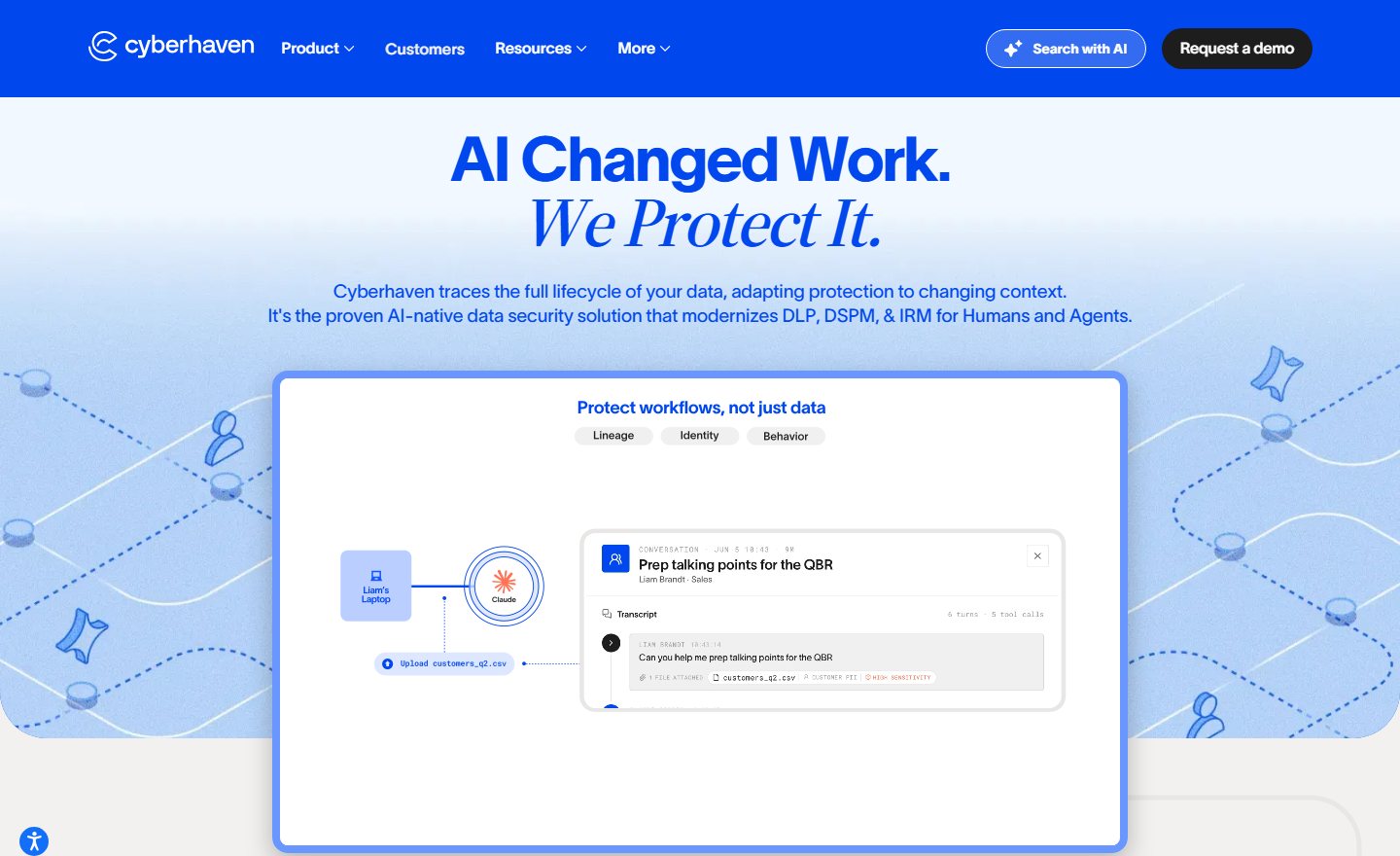
Cyberhaven focuses on protecting enterprise data, including its movement through AI tools and agent workflows. Its platform brings data security into the same conversation as how information is created, shared and used. That is relevant for organisations whose employees increasingly work across applications that make it easy to move or summarise sensitive material.
A policy about using AI becomes more useful when a business can connect it to what is actually happening to its information. Security teams need visibility into the context of a transfer as well as the data involved. We are watching how Cyberhaven helps make that context actionable. For 2027, the useful question is how organisations can allow productive work to continue while recognising and responding to the movements of data that create material exposure.
10. BigID
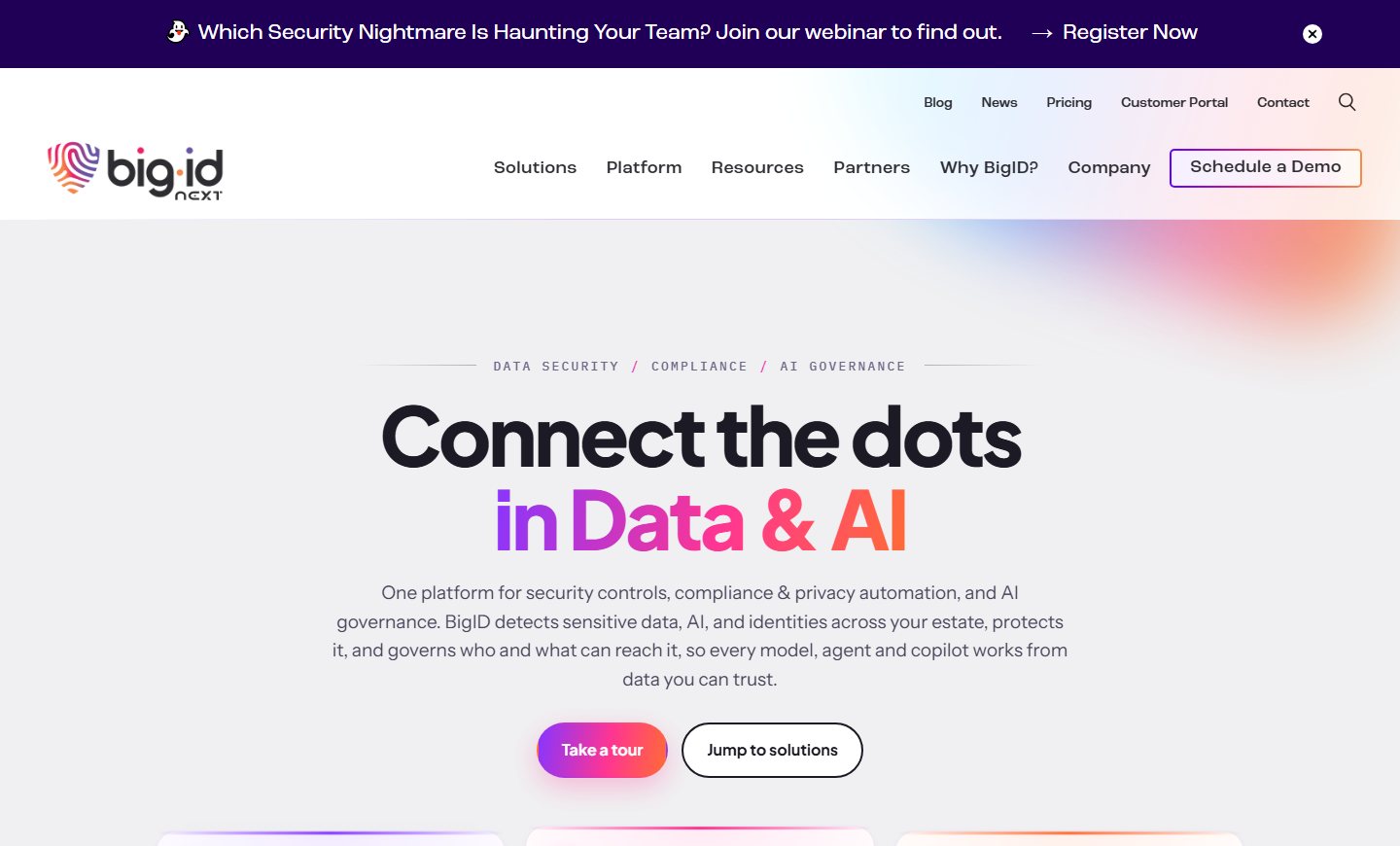
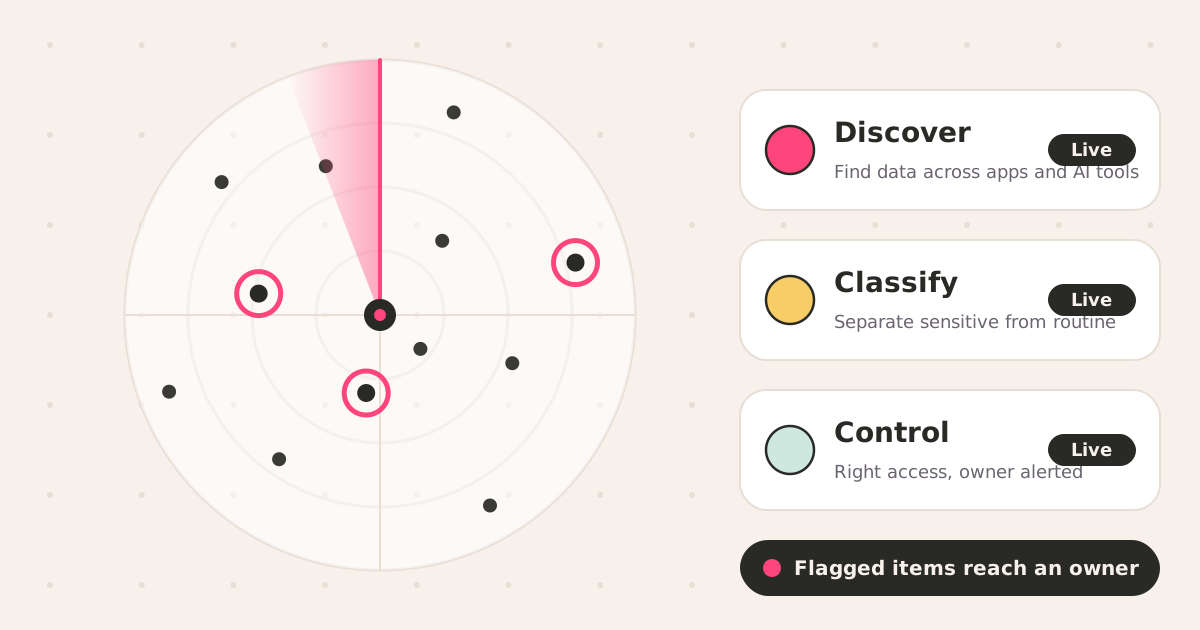
BigID brings data discovery, security, privacy and AI governance into a common platform. Its current proposition connects sensitive data with the people and AI systems that can access it. That makes the company relevant to organisations trying to understand exposure across a large estate of cloud services, applications and older systems.
Before a business expands what its AI tools can reach, it needs a usable picture of the information involved and the controls around it. A catalogue becomes more valuable when that picture can guide an actual decision, such as changing access or routing an issue to an owner. In 2027, we will be following how BigID connects visibility to those operational steps, particularly where security, privacy and AI teams need to work from the same facts.
The common thread is usable trust
Across these different technologies, the common need is understandable information and accountable use. An answer should mean something the business recognises. Access should have a reason. A security decision should have evidence someone can inspect.
Bring those questions into discussions with data and security providers. Look for explanations of how the technology works in an ordinary workflow, and what the organisation can do when something goes wrong.
At Fame, we help B2B teams turn expertise into recurring conversations through podcasts, from planning and production to growth. Explore our approach if your team wants to explain complex data and security topics to the people who need to understand them.
Want us to run this for you?
Fame starts and grows B2B podcasts that generate pipeline. Tell us who you are trying to reach and we will send a costed proposal within 1 working day.