October 15, 20267 min read11 sections
10 Customer And Operations Technology Companies And Leaders To Watch In 2027
By Fame Team
Key Takeaways
- Operations technology is easiest to understand when it is tied to an ordinary working day and the decision someone has to make.
- The useful test is whether information becomes practical action in the hands of the people doing the work.
- Handoffs matter: alerts, service journeys and incidents all depend on the right context reaching the right person.
- Describing a complete piece of work, from finding to decision to outcome, shows where a platform really fits.
Operations technology is easiest to understand when it is connected to an ordinary working day. A service team is trying to resolve a fault. A retailer needs to understand a change in demand. A restaurant manager needs to know where attention is required across several sites. The technology has to help someone decide what to do next.
Our 2027 watchlist brings together five companies and five people across customer service, physical operations and workforce technology. Their products address different parts of the business, but they share a useful test: can information become practical action in the hands of the people doing the work? We have grouped the features around the operating problems they raise, giving leaders several ways to explore that question.

1. Crisp
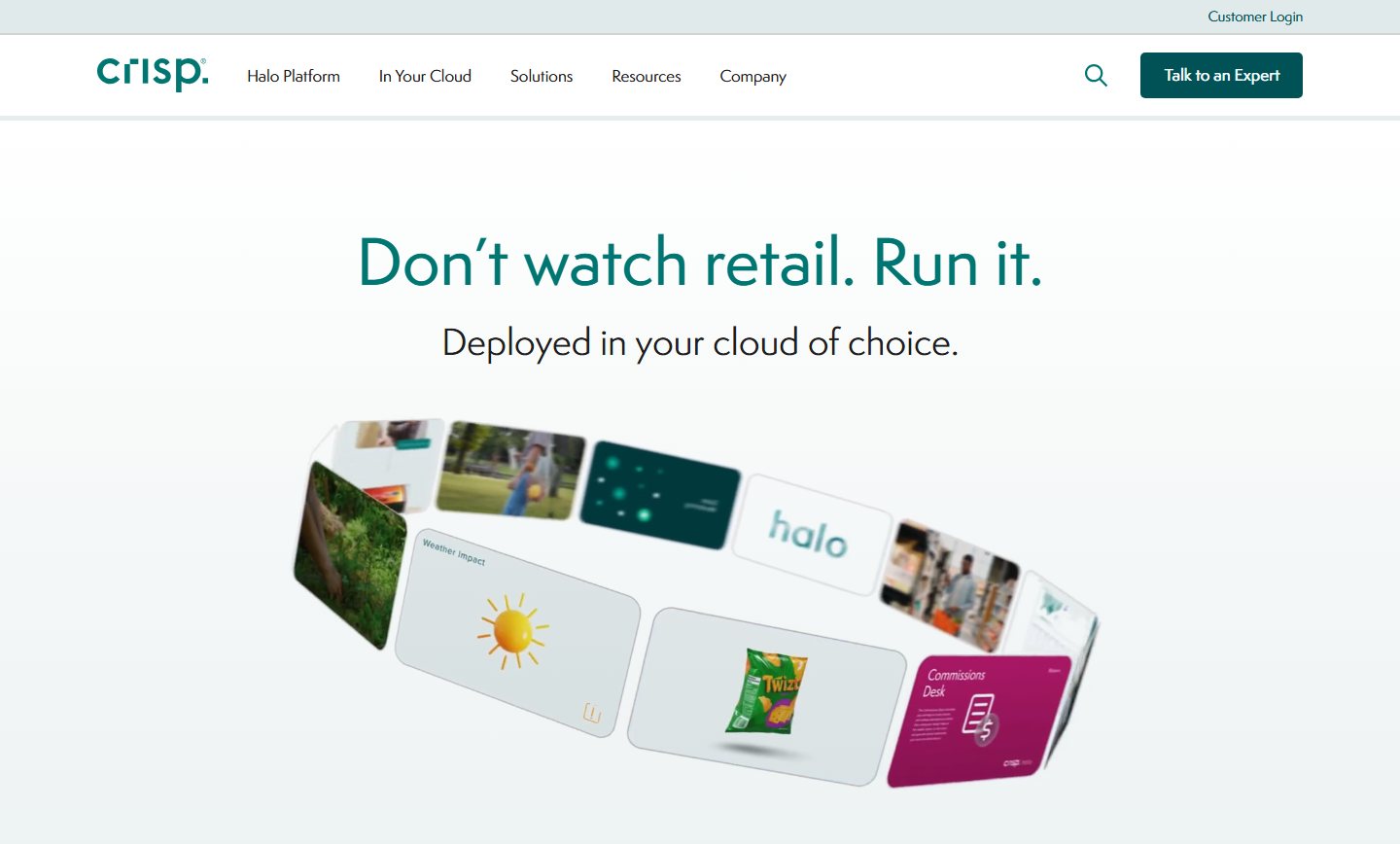
Crisp connects retail and distributor data with the business context needed to use it. Its Halo platform supports consumer goods companies and retailers in understanding activity, planning and executing work across the business. That places the company close to decisions about inventory, assortment and the signals arriving from a changing retail environment.
For an operating team, the useful question is what a change in the data means for the action it should take. Information from several sources needs to be understandable in the context of a particular retailer, product or location. Crisp is worth following for how it connects those signals with day-to-day decisions. In 2027, we will be interested in how teams move from viewing a finding to coordinating the response across the people involved.
2. Shoaib Makani at Motive
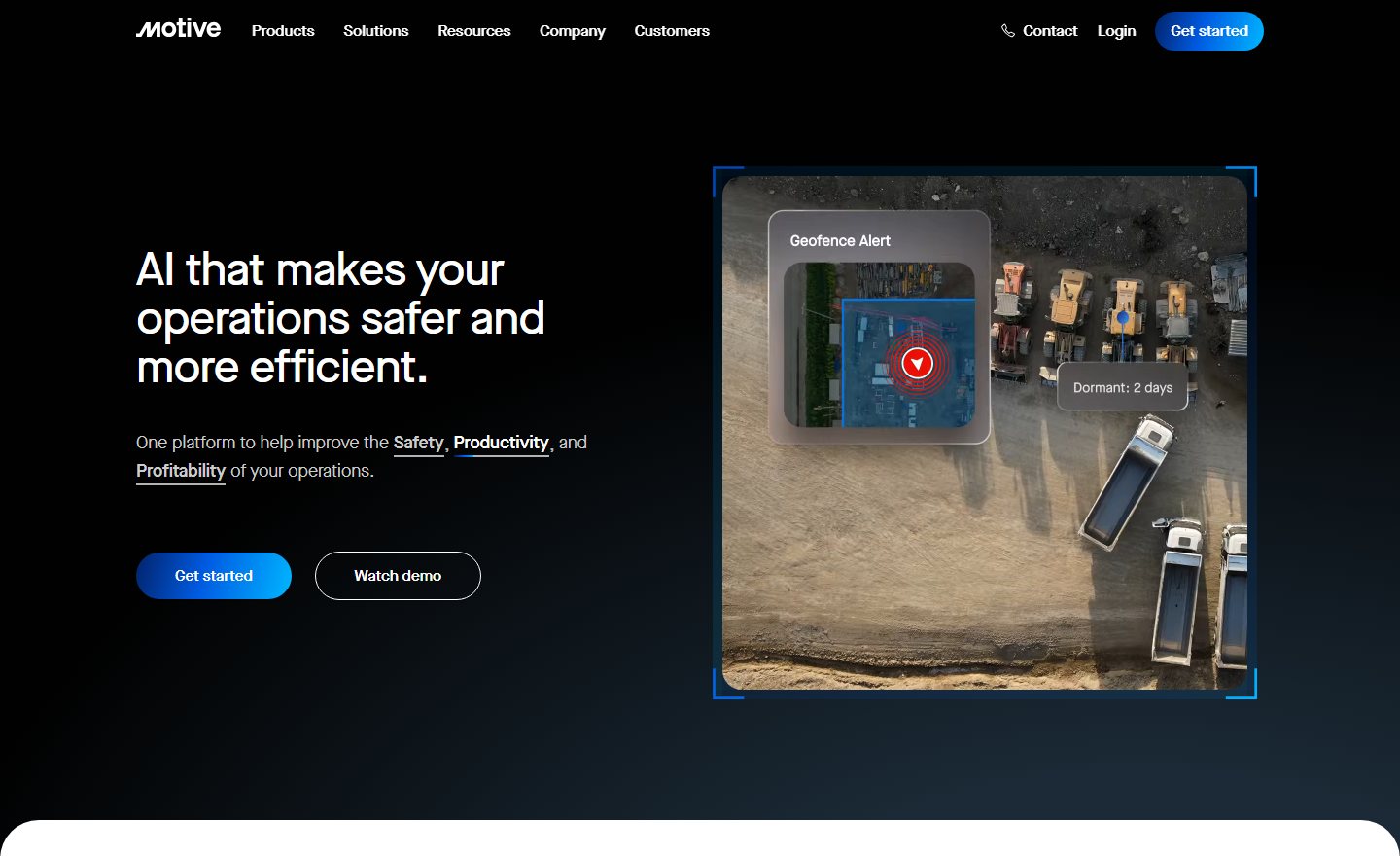
Shoaib Makani, co-founder and CEO of Motive, leads a company focused on the businesses that operate vehicles, equipment and frontline teams. Motive brings fleet management, driver safety and related operational tools into a common platform. Its AI proposition therefore has a particularly tangible setting: the physical activity that keeps goods and services moving.
The interesting explanation goes beyond a camera or dashboard. A business needs to understand how an alert reaches the right person and what happens after it does. Makani is worth following for a perspective on connecting technology with that operating reality. As we look towards 2027, we will be watching how Motive makes its capabilities useful in the routines of managers and drivers, with clear responsibilities for reviewing information and deciding on a response.
3. Niken Patel at Neuron7
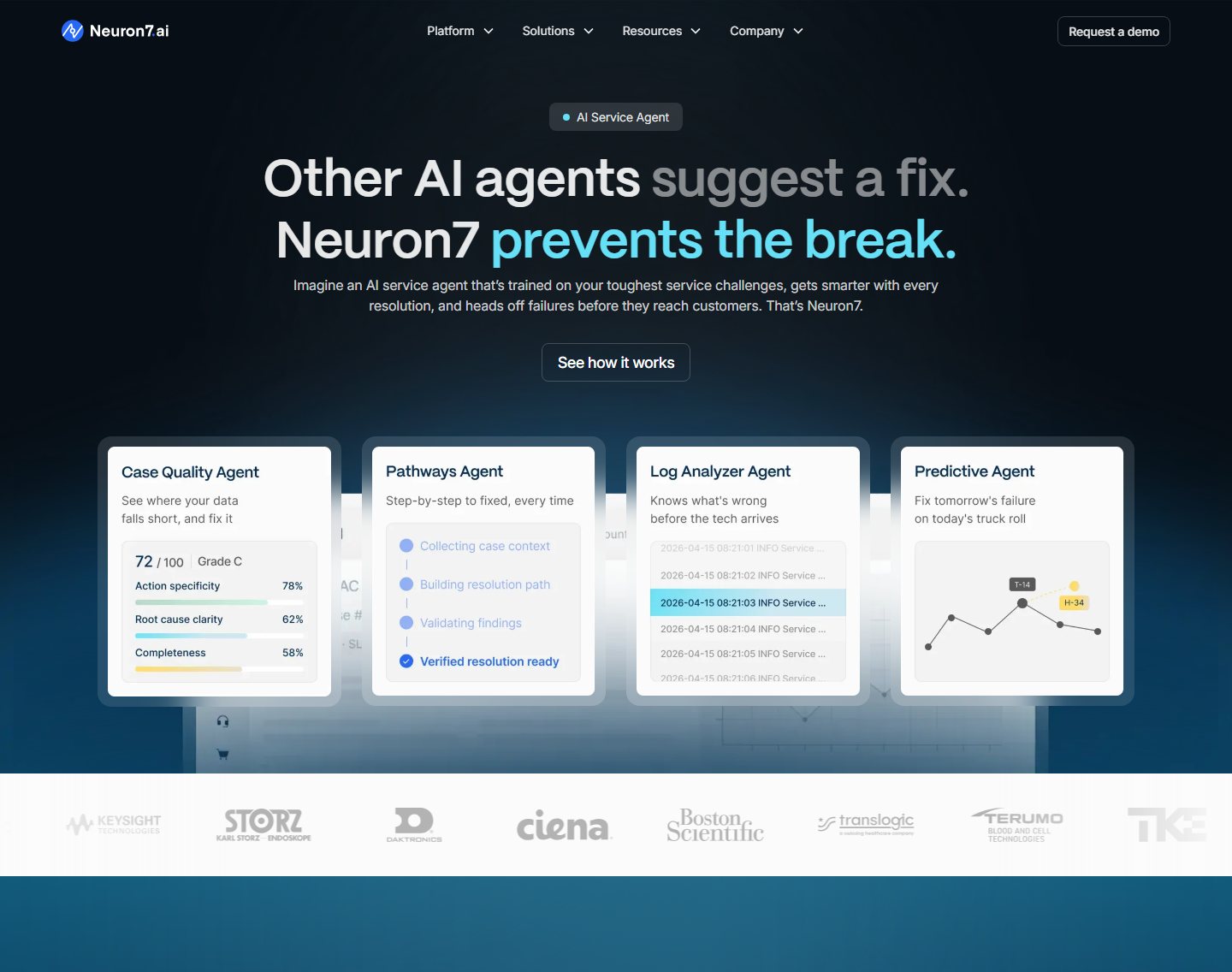
Niken Patel, co-founder and CEO of Neuron7.ai, has spoken publicly about the foundations needed for AI in service operations. Neuron7 focuses on service resolution across areas such as field service, technical support and customer care. Its proposition connects the knowledge held in a service organisation with the decisions required to resolve a problem.
A technician dealing with an unfamiliar fault needs an answer that fits the equipment and the situation. That creates a more demanding task than retrieving a generally relevant document. Patel is worth following for how he explains the relationship between service knowledge and a useful recommendation. In 2027, the practical questions concern how that knowledge stays current, what a user can verify and how the organisation learns from the resolutions that follow.
4. Optilogic
Optilogic provides technology for supply chain design, modelling and decision support. Its work is relevant to organisations evaluating the consequences of changes across a network, where a decision in one location can affect capacity, cost or service elsewhere. That gives it a useful place in a watchlist about turning operational information into a course of action.
A supply chain plan is easier to assess when people can examine alternative scenarios and understand the assumptions behind them. The important conversation concerns how a model represents the business and what happens when conditions change. We are watching how Optilogic helps teams work through those questions. For 2027, useful examples will connect scenario analysis with the decisions that operations leaders actually need to make, including the tradeoffs they must explain to colleagues.
5. Arkestro
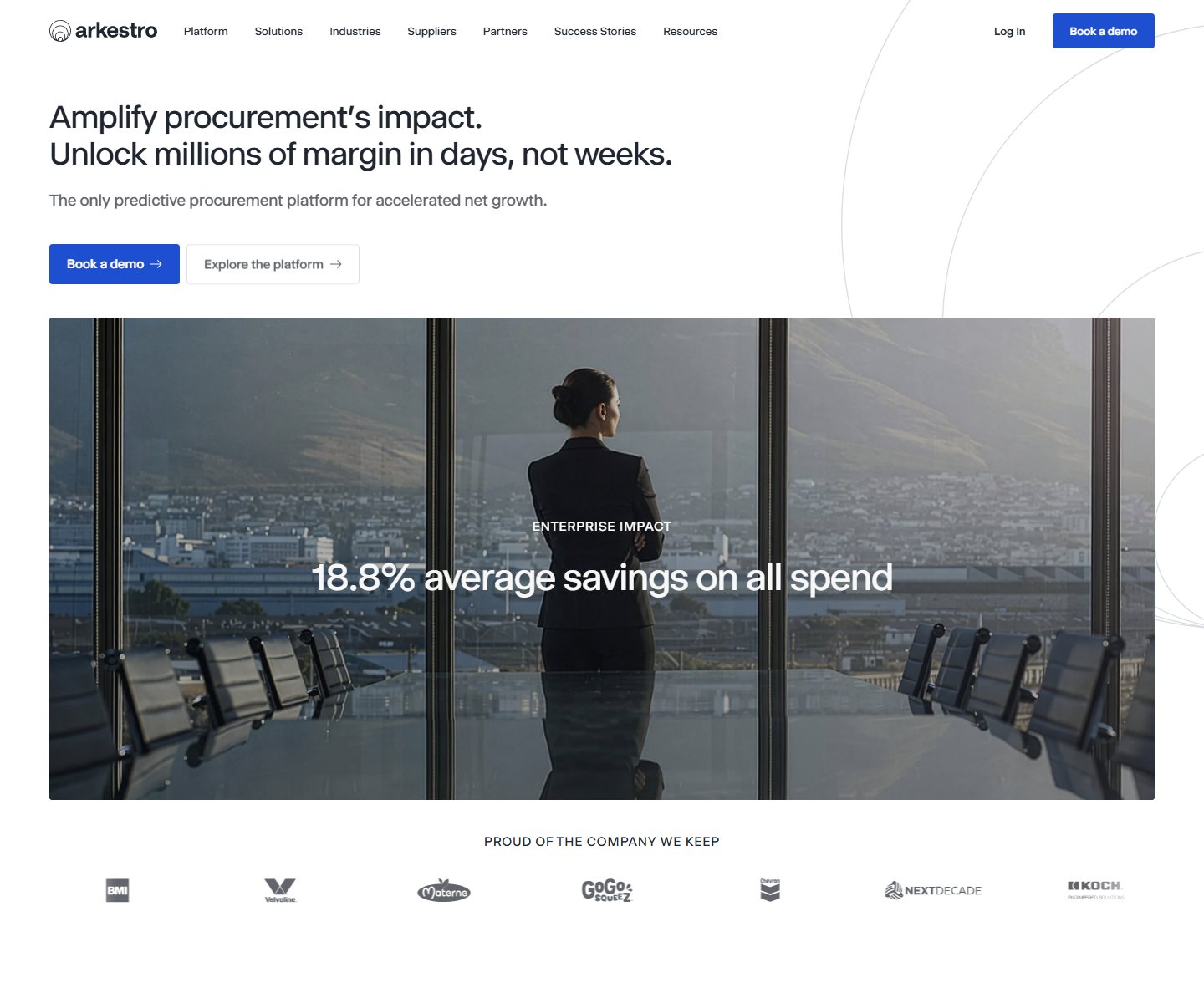
Arkestro applies predictive technology to procurement, with a focus on how organisations work through sourcing and supplier decisions. The company also contributes to the wider discussion through co-founder Edmund Zagorin's writing on the predictive enterprise. His September 2026 book announcement connects that work with procurement, supply chains and enterprise decision-making.
That is a relevant starting point because procurement decisions involve more than a price comparison. Teams need to consider the information available about suppliers and the consequences of a choice for the wider business. Arkestro is worth following for how it brings predictive approaches into that process. In 2027, we will be interested in clear examples of how a team uses a recommendation, assesses alternatives and preserves the reasoning behind its final decision.
6. JL Valente at DTiQ
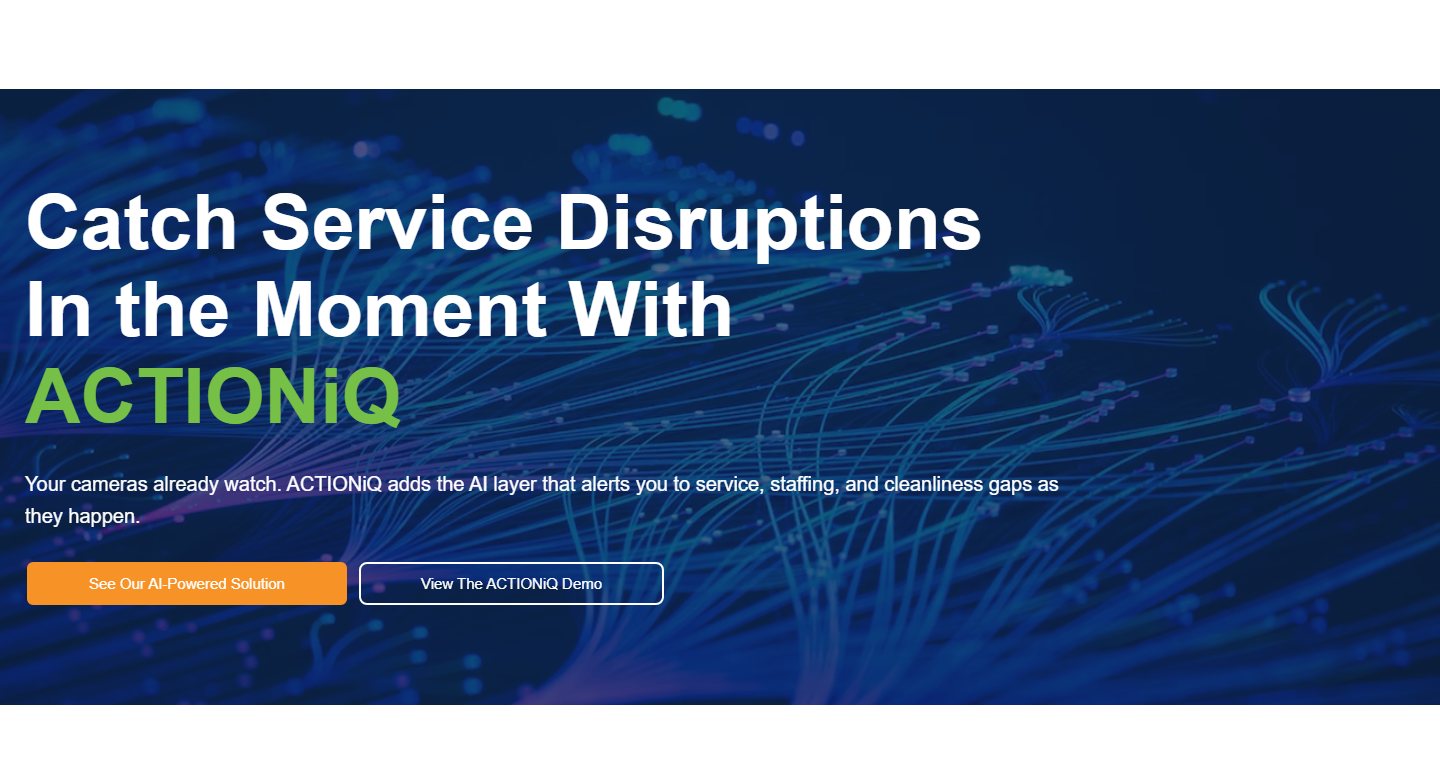
JL Valente leads DTiQ, which combines video and operational information for businesses including restaurants, retailers and convenience stores. The company describes its technology around loss prevention and the use of video intelligence to identify conditions that need attention. Its current offering connects information from cameras and other systems with alerts intended for operating teams.
The useful question is how an observation becomes a response. A manager responsible for several sites needs to know which issue matters, what evidence is available and whether it has been addressed. Valente is worth following for a view of how AI fits into that multi-site environment. As 2027 approaches, we will be watching for examples that connect video analysis with practical coaching, service and operating decisions.
7. AnywhereNow

AnywhereNow connects customer conversations, workflows and AI within the Microsoft ecosystem. Its cloud contact centre proposition includes routing, agent assistance and conversation intelligence, with Microsoft Teams serving as an important part of the environment. That makes it relevant to organisations that want customer service work to connect more closely with the tools used elsewhere in the business.
A customer query may require information or action from someone outside the contact centre. The quality of that handoff affects the customer's experience and the effort required from employees. AnywhereNow is worth following for how it approaches those connections. For 2027, the useful evidence will show what happens across a complete service journey, including where AI helps, when a person takes over and how the organisation maintains the context of the conversation.
8. UJET
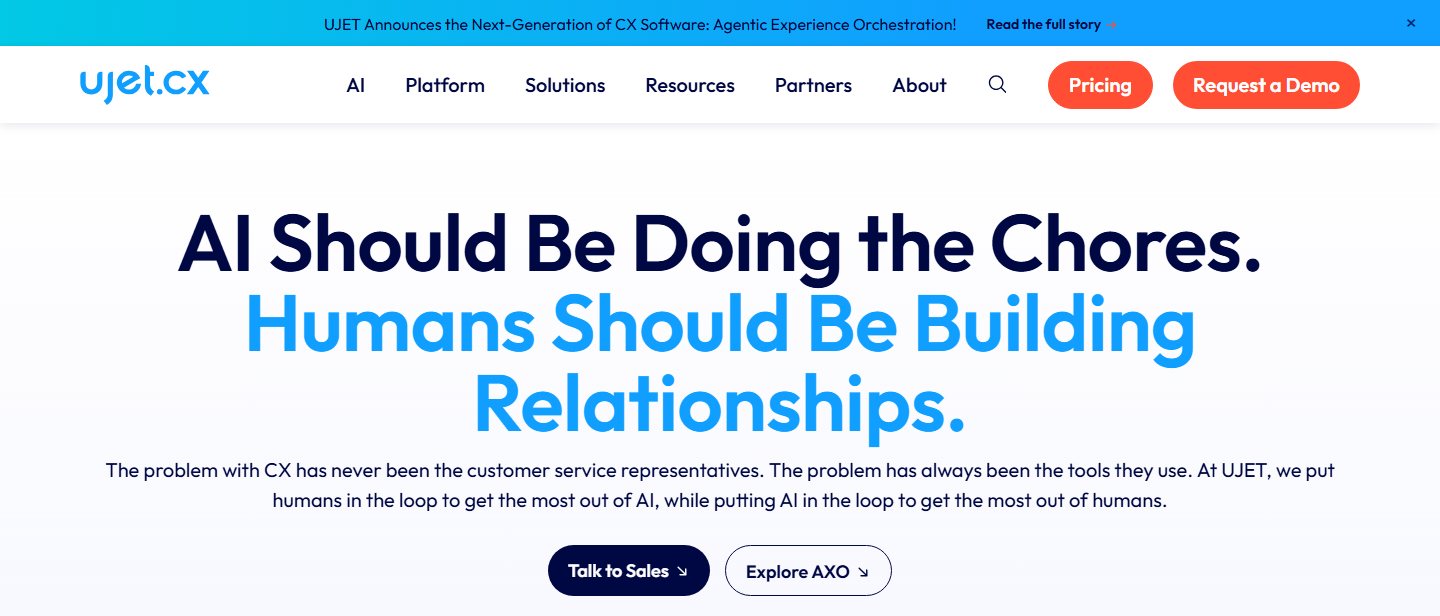
UJET provides a cloud contact centre platform that brings voice, chat and mobile interactions into its customer experience proposition. Its offering also includes AI assistance and workforce management, connecting the interaction itself with the work of supporting and staffing a service operation. That gives the company several practical points of relevance for customer service leaders.
The important question is whether a customer can move through a service journey without repeatedly rebuilding the context of the problem. Teams also need a clear view of the information available to an agent and the assistance an AI system provides. We are watching how UJET connects those needs in a working environment. In 2027, useful examples will make it easier to understand both the customer's experience and the operating decisions that support it.
9. Chelsey Gomez at Xurrent
Chelsey Gomez leads marketing at Xurrent, which brings AI into service and incident management. The company's subject is close to the working concerns of IT teams: how requests are handled, how incidents are managed and how people coordinate a response. Explaining that work clearly matters when buyers need to understand where a new capability fits into an established operating process.
An incident can involve several people, systems and handoffs. A useful technology story should show how information reaches the right team and how responsibility remains visible as work progresses. Gomez is included for the marketing perspective on making that story understandable. We will be following how Xurrent explains the practical contribution of AI to service work, including the points where human judgement and accountability remain central.
10. Sue Ostaszewski at Eightfold
Sue Ostaszewski's public activity at Eightfold includes sharing the company's work on AI-supported hiring and structured interviewing. Eightfold builds talent intelligence technology for organisations making decisions about people and skills. That makes its story relevant to leaders who need to connect workforce planning with the capabilities required across the business.
The subject benefits from careful explanation. A hiring or development process involves people whose circumstances may not fit a simple description of a role. Buyers need to understand what information a system uses and how a person remains involved in the decision. Ostaszewski is worth following as part of the team communicating those ideas. For 2027, we are interested in practical accounts of how talent technology supports a process that candidates, employees and hiring teams can understand.
Follow the work all the way through
Across this watchlist, the most useful unit of explanation is a complete piece of work. A finding arrives, someone interprets it, a decision is made and the business sees what happens next. Describing those steps makes it easier to understand where a platform belongs and what a team will need to do differently.
That is how we will be following these companies and leaders in 2027. We are interested in the connections between systems and the people responsible for them, especially when a task crosses team boundaries. Those details give a technology story enough substance to become a useful conversation with a buyer.
Fame works with B2B teams that want to turn operational expertise into a podcast their buyers can learn from. We help plan the programme, produce the conversations and grow the audience around the subjects that matter to the market.
Want us to run this for you?
Fame starts and grows B2B podcasts that generate pipeline. Tell us who you are trying to reach and we will send a costed proposal within 1 working day.