November 3, 20267 min read16 sections
15 Healthcare And Life Sciences Companies To Follow In 2027
By Fame Team
A healthcare technology conversation becomes more useful when it names the person doing the work. A pathologist reviewing an image, a patient booking an appointment and a research team planning a trial face different constraints, even when the underlying products all use data or AI.
This editorial selection looks at 15 companies across those settings. The companies appear alphabetically, without scores or ranking. The profiles describe their stated areas of work and should not be read as clinical recommendations, product comparisons or predictions of patient outcomes.
Each entry includes a question for 2027 planning. These questions focus on implementation, evidence and the practical experience of the people involved. They are Fame’s editorial prompts, not quoted company views.
AbbaDox
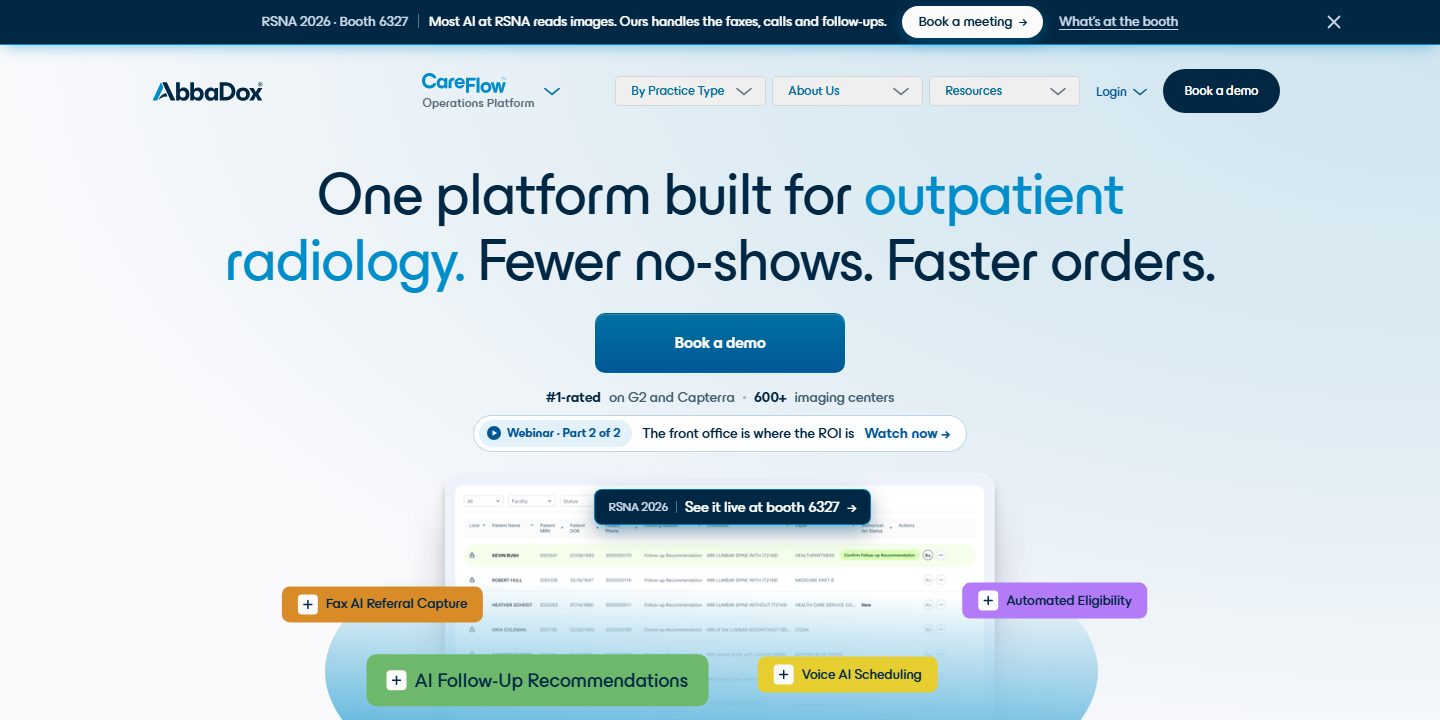
AbbaDox provides software for outpatient radiology operations, including scheduling, intake and workflows around imaging services. Its platform connects administrative activities that shape how a patient moves into and through an imaging appointment. For buyers, the relevant issue is continuity: information collected at one stage needs to be usable at the next without adding avoidable work for front desk, clinical or referring teams.
Question for 2027: Where does an imaging centre still ask patients or staff to repeat information that should already follow the appointment?
ArteraAI
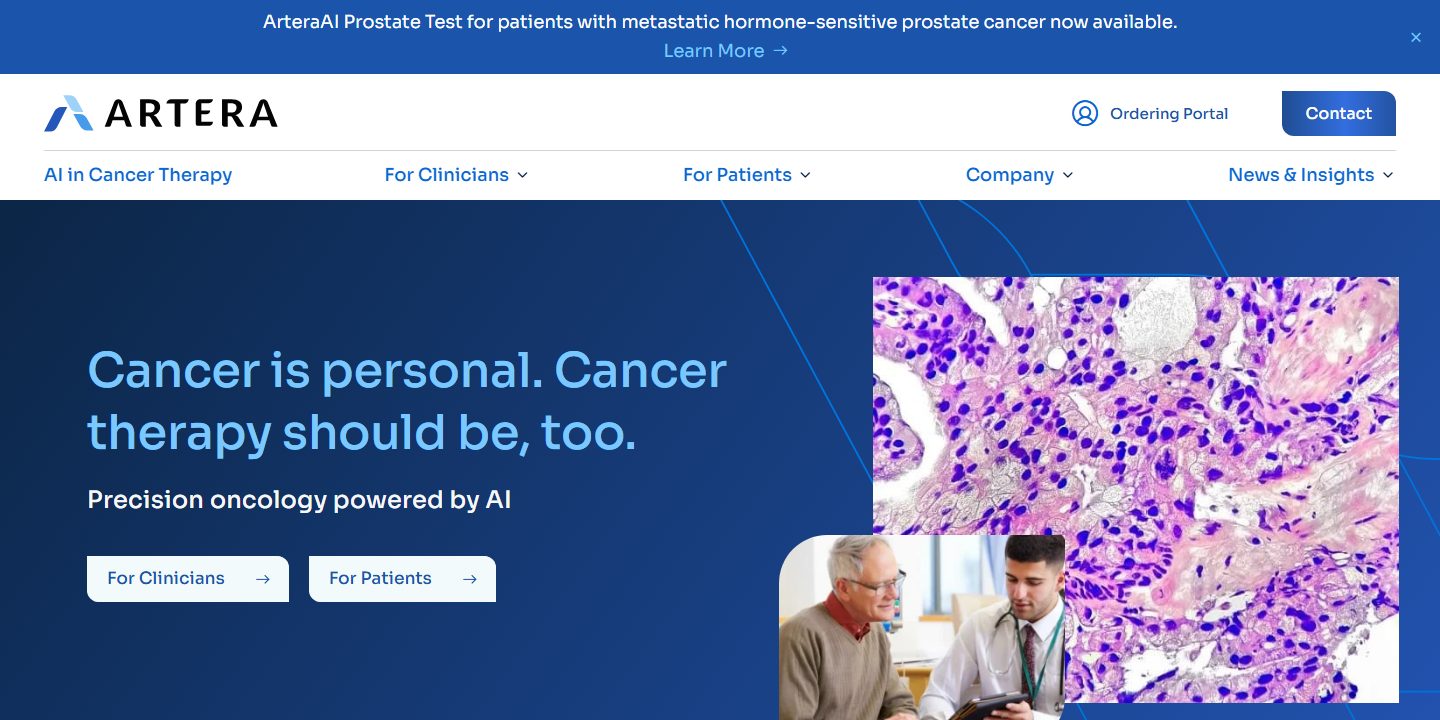
ArteraAI develops AI enabled precision oncology tests that analyse information including pathology images to support specific treatment related assessments. Its work brings together clinical evidence, diagnostic workflows and the interpretation of complex information. For healthcare buyers, the discussion needs to stay close to the intended use of each test and how its result will be communicated and considered by the treating team.
Question for 2027: What evidence and workflow support are needed for a test result to be interpreted appropriately in its intended clinical setting?
Azalea Health
Azalea Health provides electronic health record, billing and related software for ambulatory practices and hospitals, including rural care settings. Its offering also includes tools for charting, analytics and revenue cycle work. The company’s area of work brings clinical and administrative needs into the same conversation, where the practical value of a change depends on how it fits the people and resources available.
Question for 2027: Which changes would make documentation and billing work more manageable for a care team without introducing another disconnected process?
ConcertAI
ConcertAI works with real world data and AI for life sciences and healthcare, with a focus that includes oncology research and clinical development. Its offering connects datasets, analytical capabilities and workflows used by specialist teams. For buyers, this makes the relationship between an analytical result and its supporting evidence important, particularly when information is being used for a defined research or commercial purpose.
Question for 2027: Can the team trace an AI assisted insight back to the data, assumptions and intended use that make it meaningful?
Corti

Corti develops AI models and infrastructure for healthcare related applications and workflows. Its offering includes capabilities used in clinical documentation, coding and other work involving medical language. The company’s focus brings attention to how specialist AI fits the setting in which it is used: an output needs to be assessed against the task, information and review process of the people responsible for it.
Question for 2027: How will a healthcare organisation evaluate an AI component in the workflow where it will actually be used?
Cytovale
Cytovale develops IntelliSep, a diagnostic test used to support sepsis risk stratification in emergency care. Its technology sits within a broader clinical process involving laboratory work, interpretation and decisions by the care team. That makes implementation a useful discussion point for healthcare leaders: introducing a test also requires clarity about who receives its result and how it fits the existing care pathway.
Question for 2027: How should laboratory and emergency care teams coordinate the steps needed to use a new risk stratification result appropriately?
Diligent Robotics
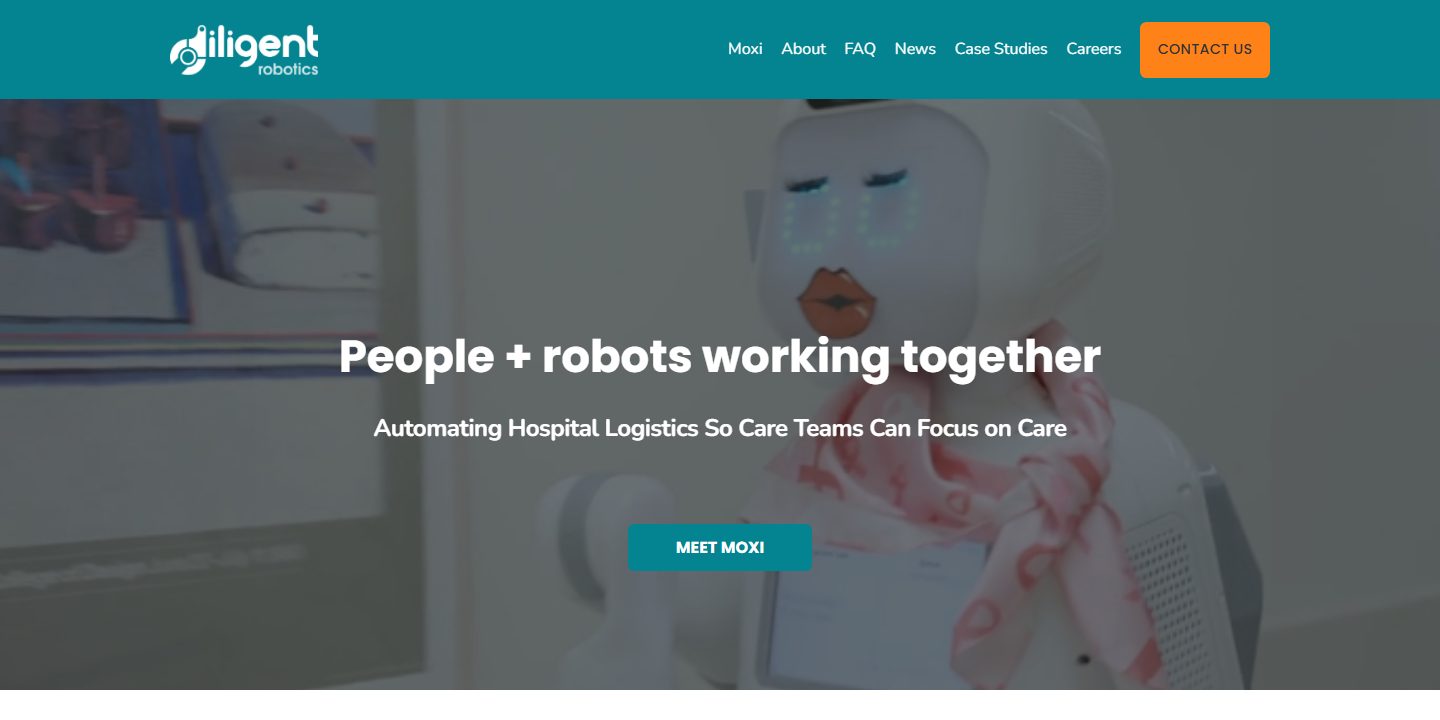
Diligent Robotics develops Moxi, a robot used for hospital logistics and delivery tasks. Its work addresses the movement of items through care environments, connecting robotics with the daily operations of hospital teams. For buyers, the implementation conversation needs to include the physical setting, the requests staff make and the process for handling a delivery that cannot be completed as expected.
Question for 2027: Which hospital logistics tasks are suitable for a robot, and how will staff handle exceptions within their existing routines?
e4health
e4health provides healthcare information, technology and revenue cycle services. Its work spans areas including coding, clinical documentation, data migration, health information management and technology implementation. This places the company in conversations about the operating work behind care delivery, where accurate information and clear processes depend on both specialist knowledge and the systems through which that knowledge is applied.
Question for 2027: Where would better coordination between information management, technology and revenue teams remove repeated work or unclear responsibility?
Komodo Health
Komodo Health provides healthcare intelligence using real world data and analytical technology. Its offering includes the Healthcare Map and Marmot, an AI environment intended to support work with healthcare information. For buyers, the relevant conversation is about making an answer usable and defensible: the team needs to understand the population, information and analytical choices behind a result before applying it to a decision.
Question for 2027: Can a user show how an answer was produced and determine whether the underlying population fits the question being asked?
Lirio
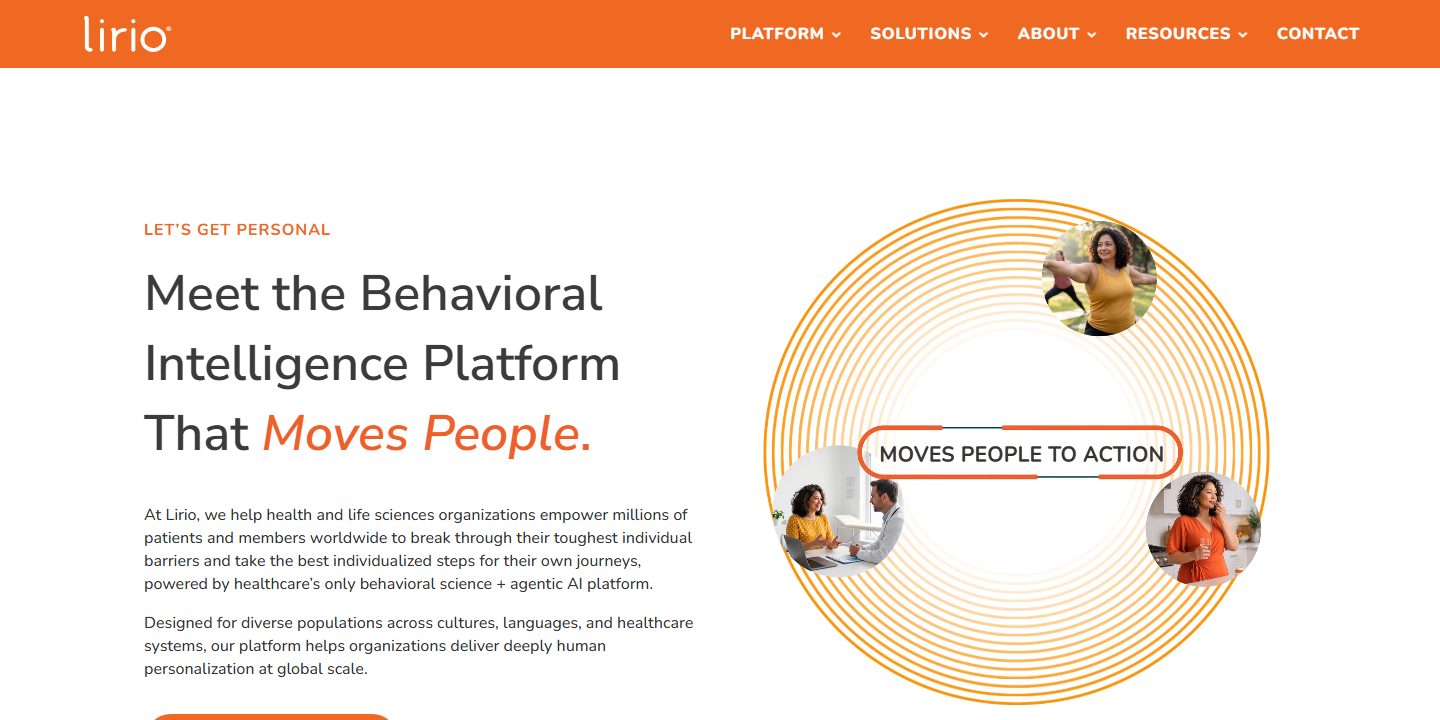
Lirio combines behavioural science and AI in technology for personalised healthcare engagement. Its Precision Nudging approach is designed to support communication around health related actions. The company’s work makes the context of engagement a useful discussion topic: a message needs to be considered alongside the recipient’s circumstances, the action being requested and the way the organisation will judge whether it was helpful.
Question for 2027: How will a healthcare team distinguish a useful engagement from a message that attracts attention without supporting the intended action?
PathAI
PathAI develops AI and digital pathology technology for diagnostic laboratories and biopharmaceutical research. Its offering includes AISight, an image management environment, and tools for working with pathology images and associated information. For buyers, this creates a discussion about the whole laboratory workflow, including how images are organised, how analysis is reviewed and how different tools fit the intended use of a particular project.
Question for 2027: What must be agreed about image quality, intended use and human review before an AI tool becomes part of a pathology workflow?
Phreesia
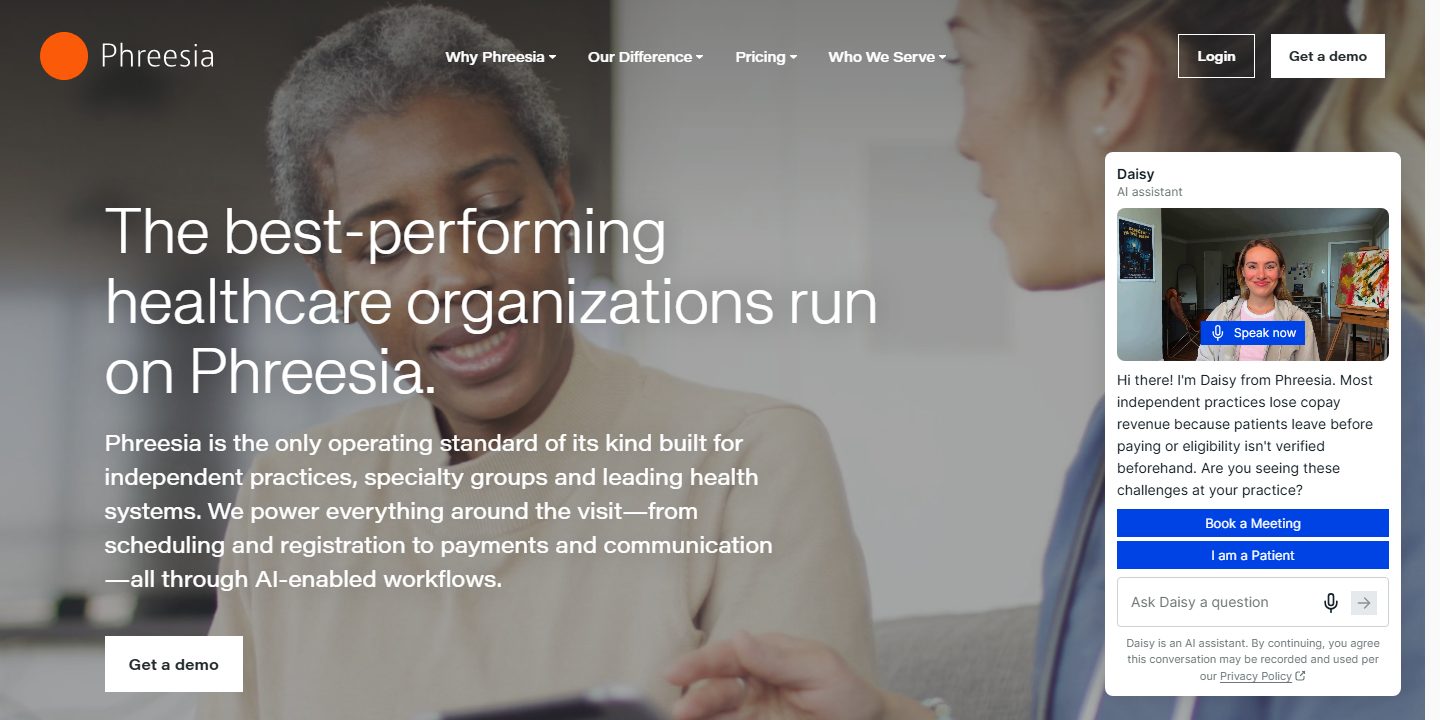
Phreesia provides software supporting patient intake, scheduling, payments and other healthcare engagement workflows. Its offering addresses interactions that happen around a care appointment as well as work performed by the practice. The company’s area of work makes accessibility and continuity important buyer topics: a digital process should fit the patient’s situation and give staff a clear way to help when the standard journey does not work.
Question for 2027: How will a practice measure whether a digital intake process helps patients complete the necessary steps and reach the right support?
Proscia
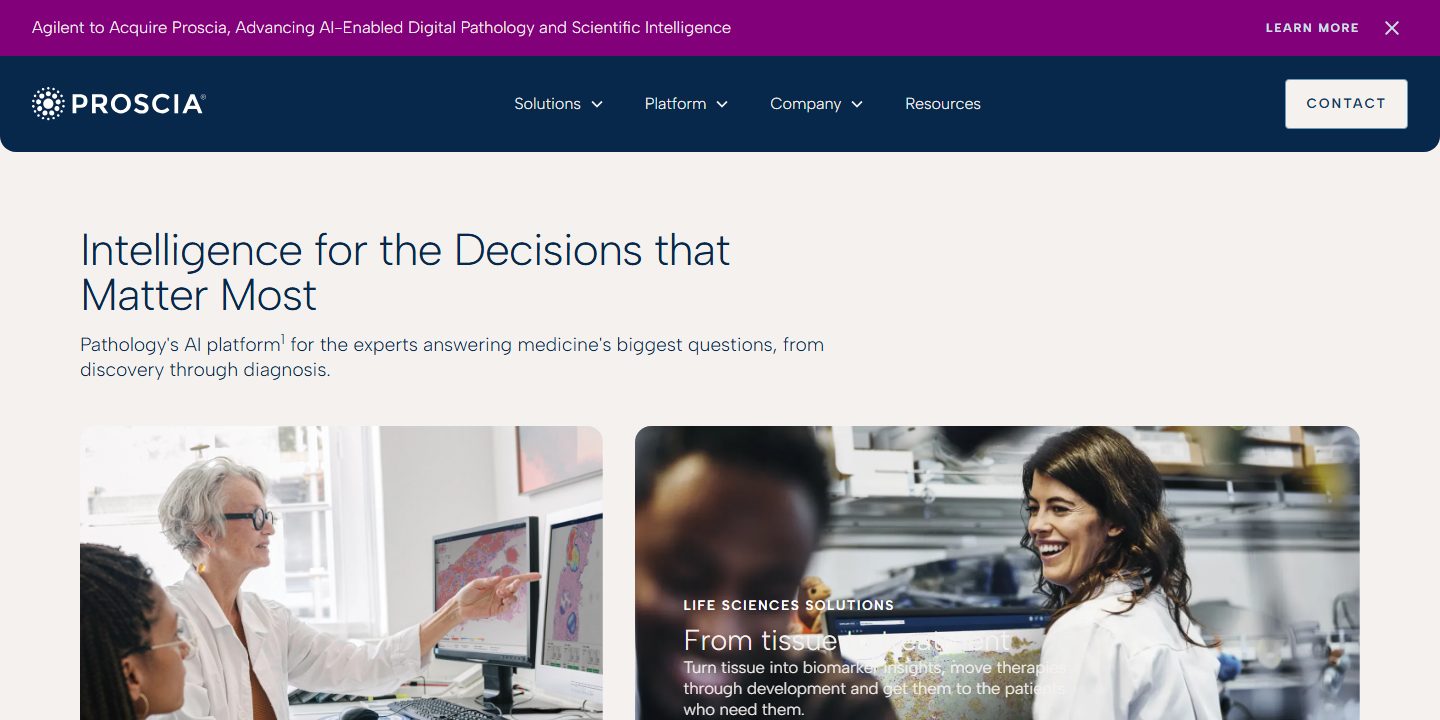
Proscia develops digital pathology software through its Concentriq platform, connecting image management, review and AI applications. Its offering supports work in diagnostic and research environments. For buyers, the relevant issue is how a digital foundation supports ongoing practice: images, analytical tools and collaboration need to fit the laboratory’s requirements without losing the context a professional needs to interpret and review the work.
Question for 2027: How can a pathology team introduce digital tools while keeping image review, collaboration and quality responsibilities clear?
Quest Analytics
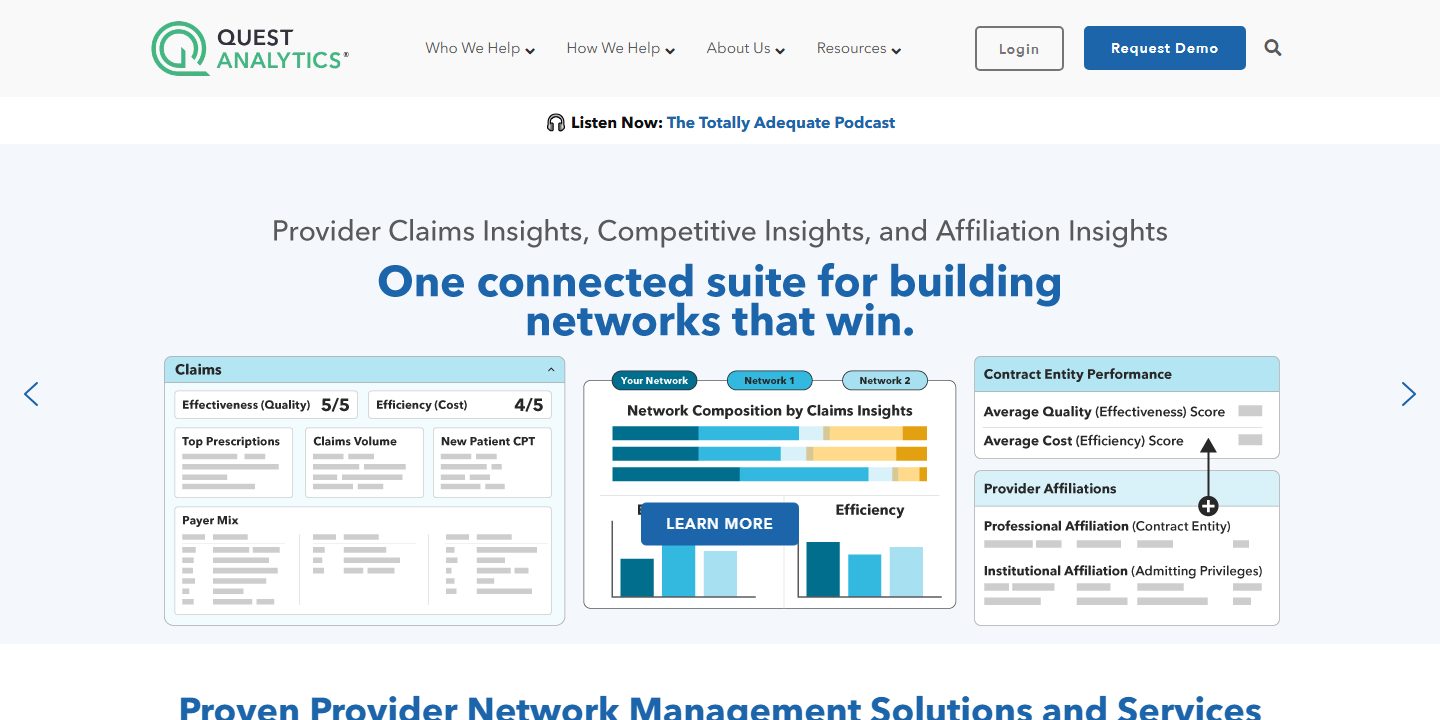
Quest Analytics provides software and data services for healthcare provider network management. Its work covers areas including network adequacy and provider data accuracy. That creates a useful discussion about the connection between a network represented in a system and the experience of someone trying to find care, where information must remain current and usable across plans, providers and operational teams.
Question for 2027: How will a health plan check that its provider information reflects the access a member can actually obtain?
Unlearn.AI
Unlearn develops AI based digital twins for clinical research and technology for trial planning and analysis. Its approach uses historical information to model aspects of participant outcomes in a defined research context. For buyers, the important discussion concerns how those methods are evaluated, documented and incorporated into study design, rather than assuming that a model can be used in the same way across every trial.
Question for 2027: What validation and prespecified analysis are needed before a digital twin method can support a particular clinical study?
Keep The Workflow And Evidence Together
Before expanding a healthcare technology project, define its intended use, the people accountable for it and the evidence needed in that setting. Ask where information comes from, how exceptions reach a person and how the team will assess the change. Those details help connect a product discussion to the clinical, research or operational work it is meant to support.
Want to turn your team’s expertise into regular conversations with your buyers? Explore Fame’s B2B podcast services.
Want us to run this for you?
Fame starts and grows B2B podcasts that generate pipeline. Tell us who you are trying to reach and we will send a costed proposal within 1 working day.