November 3, 20267 min read16 sections
15 Enterprise AI Companies To Follow In 2027
By Fame Team
An AI demonstration can show what a model is capable of. An operating workflow has to answer harder questions: which information can it use, which actions can it take, and who is responsible when the result needs review? Those are useful questions to bring into enterprise AI planning for 2027.
The 15 companies below approach that work from different directions, including data preparation, application testing, contract analysis, computer vision and operational decision making. They are listed alphabetically in this editorial selection. This is not a ranking, and inclusion does not imply that the products are interchangeable.
For each company, we outline its work and suggest a question that can help buyers look beyond a feature list. The questions are Fame’s editorial prompts, not statements or forecasts from the companies.
Aera Technology
Aera Technology develops decision intelligence software that connects enterprise information with recommendations and actions. Its platform is designed to operate within policies set by the business and to retain context about decisions and their outcomes. That makes it relevant to discussions about coordinating operational decisions across systems, where an answer may need to become an action that another team can understand and review.
Question for 2027: How should an organisation decide which operational decisions can run autonomously and which still need a named human owner?
AI21 Labs
AI21 Labs works on the models and surrounding systems used to make AI perform specialised tasks. Its current focus includes post training and the infrastructure needed to adapt AI to an organisation’s requirements. For enterprise buyers, this brings attention to what happens after a general model is selected: the examples, evaluation and system design needed to make it useful for a defined piece of work.
Question for 2027: What evidence would show that a specialised AI system performs reliably on the organisation’s actual tasks and exceptions?
Airia
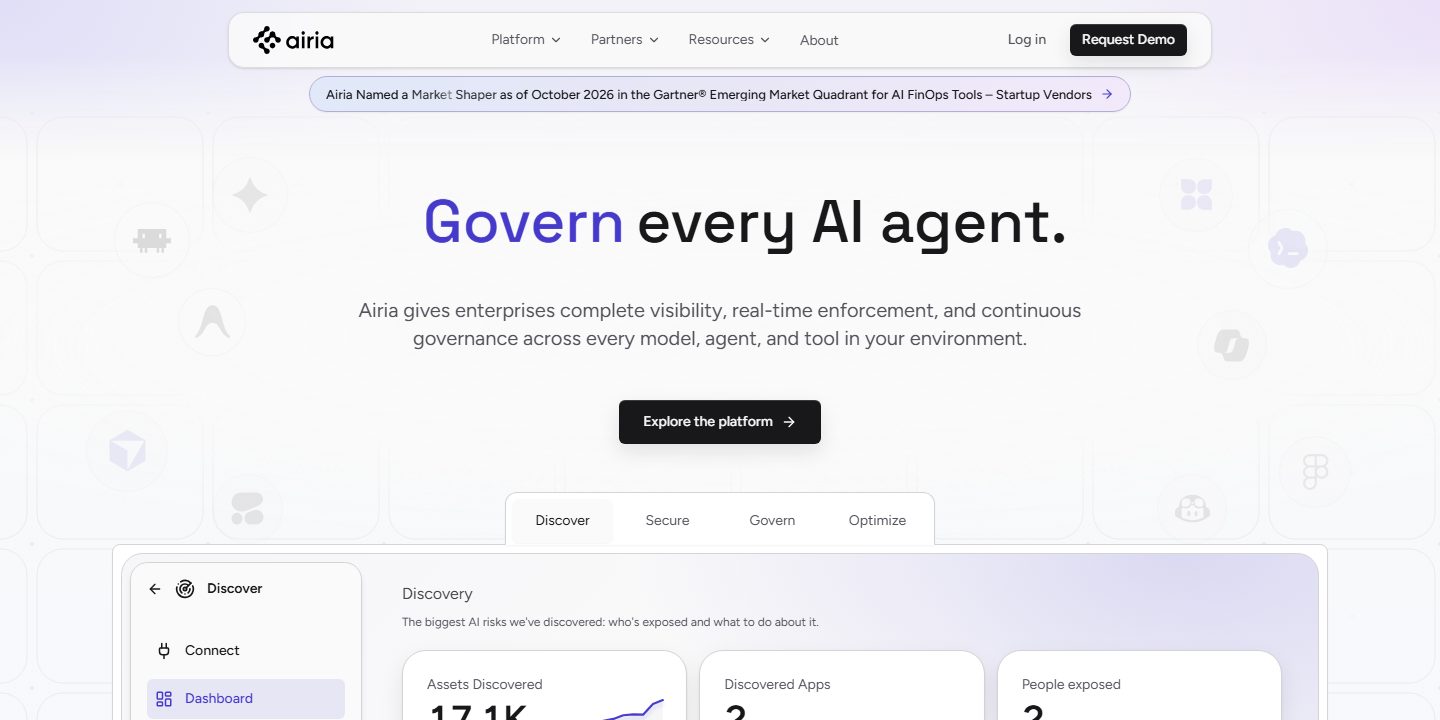
Airia provides a platform for discovering, securing and governing enterprise AI use. Its approach addresses the applications and agents that organisations need to understand and control as AI enters more workflows. The relevant buyer conversation extends beyond creating an agent to identifying where AI is already being used, which information it touches and how policies will be enforced as that use changes.
Question for 2027: How can a business give teams room to use AI while keeping a clear view of its access and actions?
AltaML
AltaML develops applied AI solutions for business and public sector use cases. Its work combines implementation with platforms such as AltaForge, which supports the development of agentic AI applications. This places the company in the conversation about turning a defined operational problem into a maintained system, including the domain knowledge and organisational decisions that sit alongside model development and deployment.
Question for 2027: Which narrowly defined workflow offers enough value, usable data and operational ownership to justify taking AI into production?
Alteryx
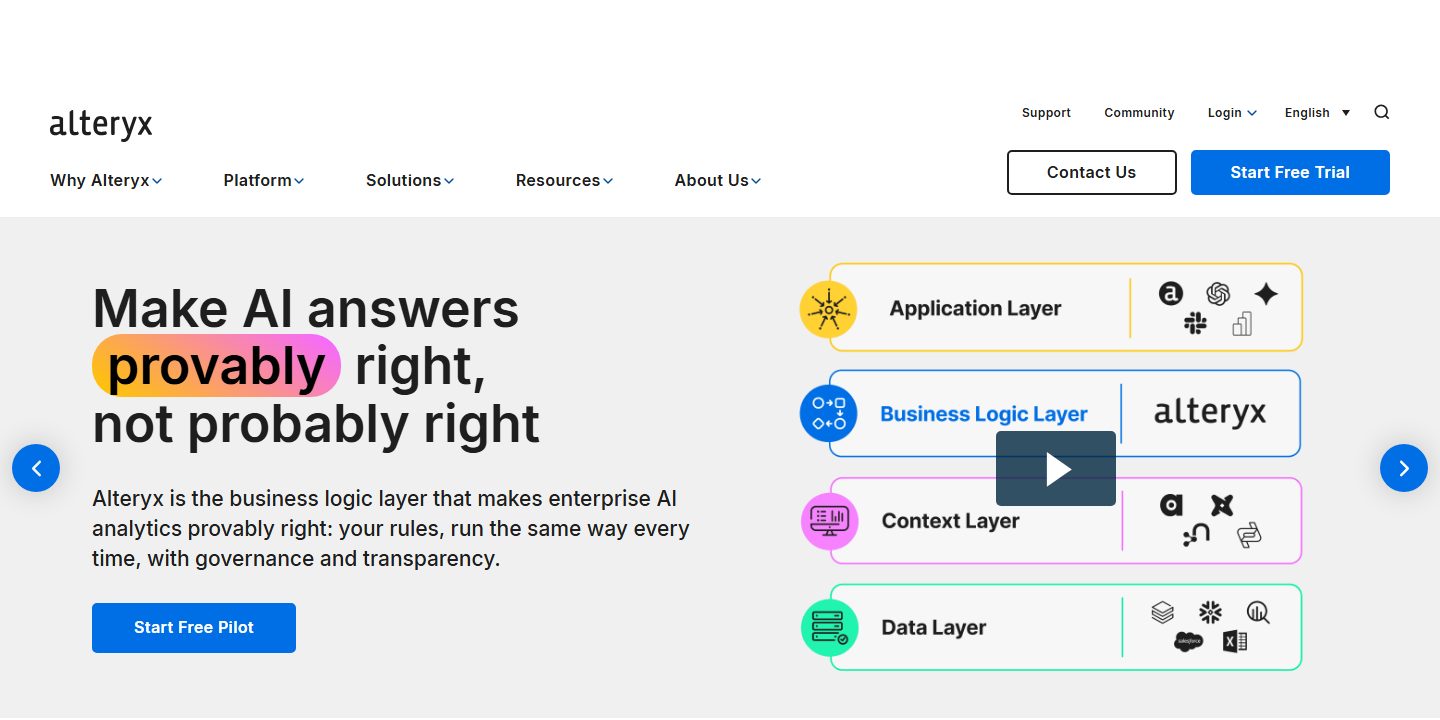
Alteryx provides software for preparing, analysing and automating work with data. Alteryx One brings those capabilities into an environment intended to support analytics and AI workflows. Its area of work raises a practical issue for enterprise teams: a model’s output is only part of the process when the business still needs consistent data preparation, understandable logic and repeatable ways to produce an answer.
Question for 2027: Can the team trace an AI assisted analysis back through the data preparation and business rules that produced it?
Databricks
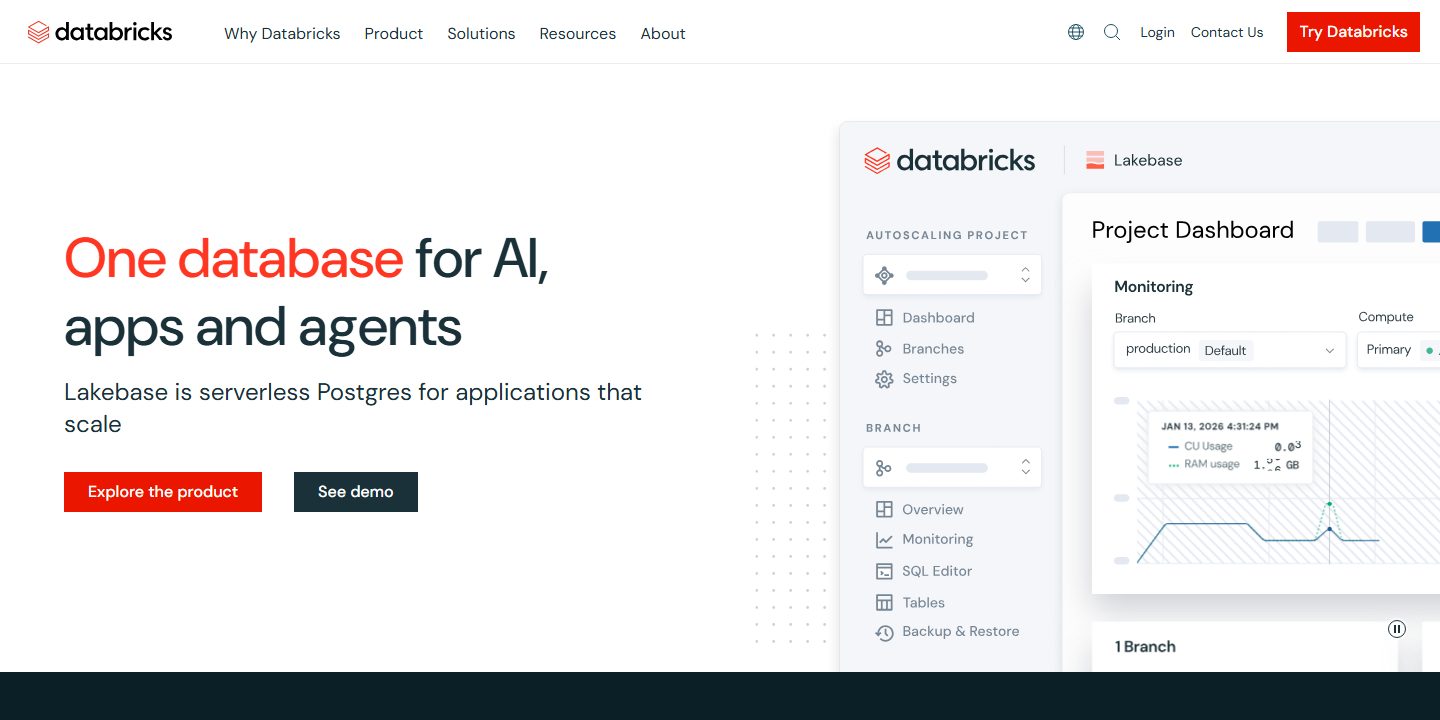
Databricks brings data engineering, analytics, governance and AI development into its Data Intelligence Platform. The platform supports work ranging from data pipelines and business intelligence to applications and agents using enterprise data. For buyers, that breadth creates a useful discussion about how technical teams and business users share information, rather than treating model development as an activity separate from the organisation’s data practices.
Question for 2027: How will data access, definitions and evaluation stay consistent as more teams build applications and agents on shared information?
Dataiku
Dataiku provides a platform for building and managing analytics, machine learning and AI applications. Its offering includes capabilities for working with AI agents and governing their use across an organisation. The company’s work is relevant to teams trying to connect specialist development with broader business participation, where repeatable processes and clear responsibilities matter as much as getting an initial application to work.
Question for 2027: What needs to be standardised so that more people can build useful AI without creating an unmanageable collection of experiments?
DRUID AI
DRUID AI provides a platform for building and orchestrating AI agents, knowledge bases and enterprise applications. Its offering includes conversational interfaces and the connections needed to work with business processes. This makes the handoff between a conversation and an operational task an important area to examine: collecting a request is different from completing it accurately across the systems that own the underlying work.
Question for 2027: When an agent cannot finish a request, how will it transfer the right context and responsibility to a person?
EPAM Systems
EPAM Systems combines software engineering and product development with services in areas including AI, data and digital transformation. Its role in the enterprise AI conversation is closely tied to implementation: connecting new capabilities to applications, information and operating processes already in place. For buyers, that creates space to discuss how an AI project will be integrated, supported and improved after its initial release.
Question for 2027: Which engineering and operating responsibilities must be agreed before an AI pilot becomes part of an essential business workflow?
Expert.ai
Expert.ai develops enterprise AI solutions for working with language, documents and domain knowledge. Its offering applies to areas such as insurance, financial services, life sciences and information services. The company’s focus makes unstructured information a useful discussion point: organisations need ways to interpret the meaning of documents and connect it to a specific process, while preserving the context required to review the result.
Question for 2027: How will the business assess whether an AI system has understood a document well enough for the decision it supports?
Luminance
Luminance develops AI software for contract work across legal and business teams. Its platform addresses activities including analysing contractual information and supporting work involving legal, procurement and finance. That makes it relevant to conversations about how contract knowledge moves through an organisation, particularly when the people negotiating an agreement are different from the people responsible for carrying out its terms later.
Question for 2027: How can contract information stay understandable and actionable for the teams that inherit an agreement after it is signed?
Opkey
Opkey provides software for managing the lifecycle of enterprise applications, including testing, configuration and training. Its platform applies AI and automation to work around business systems such as cloud ERP applications. For buyers, the interesting issue is the connection between change and confidence: a new feature or configuration still needs to work with the processes and dependencies on which users rely.
Question for 2027: How will the team know that an application change works across the complete business process before users depend on it?
Roboflow
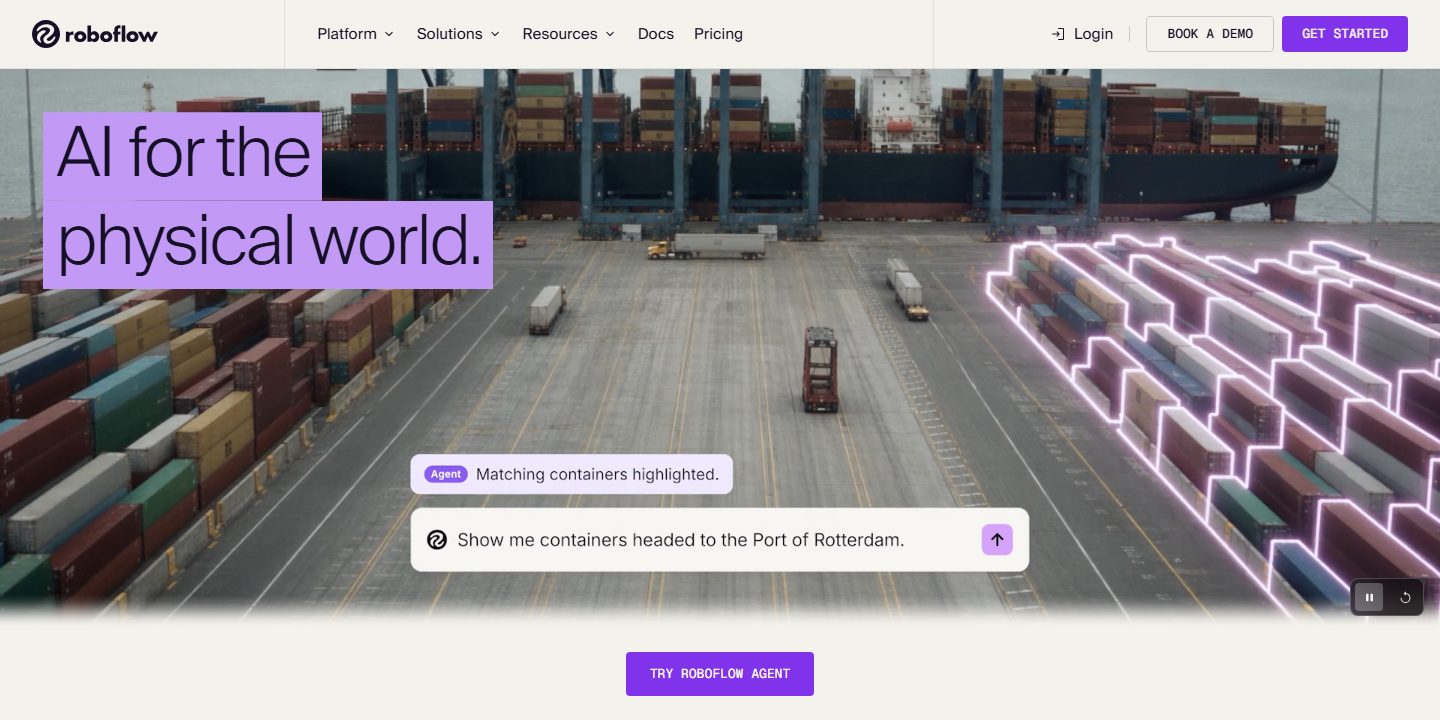
Roboflow provides tools for developing and deploying computer vision systems. Its platform covers work with visual datasets, model training and deployment, connecting images and video to applications in the physical world. The company’s area of work highlights the importance of the operating environment: a model needs to be evaluated against the cameras, conditions and exceptions it will encounter outside a development dataset.
Question for 2027: What changes in lighting, equipment or real world conditions should trigger a review of a deployed computer vision model?
Uniphore
Uniphore provides an enterprise AI platform spanning data, knowledge, models and agents. Its approach brings those layers into a system intended to support business applications and orchestration. For organisations considering how to scale AI, this creates a discussion about the connections between components: information needs to be accessible, meaning needs to be preserved and an agent’s actions need to fit the process it serves.
Question for 2027: Who will own the connections between enterprise data, business knowledge and the agents that use them to take action?
Virtualitics
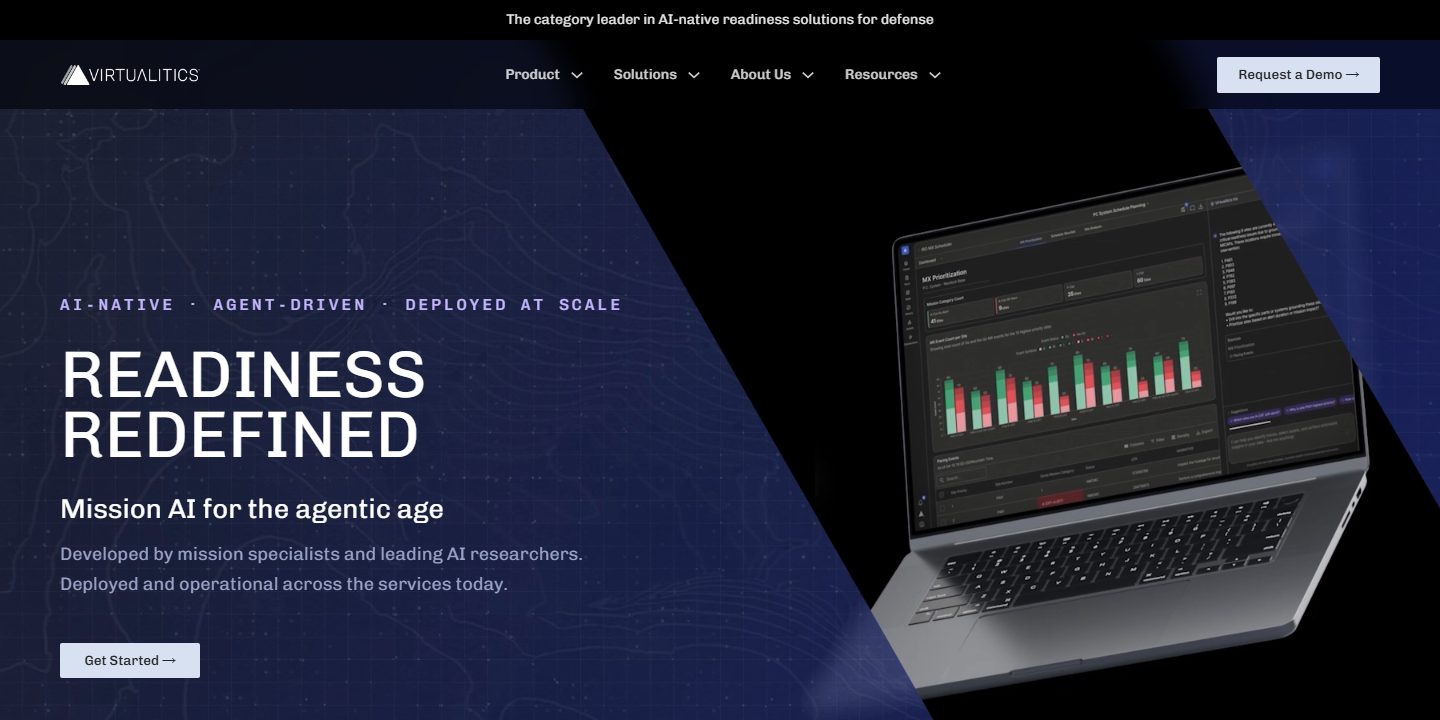
Virtualitics develops AI solutions focused on operational readiness in defence and other mission critical settings. Its work connects complex information with decisions about readiness, resources and ongoing operations. That context gives enterprise buyers a useful lens on applied AI: an analytical result needs to fit the responsibilities, constraints and decisions of the people using it, rather than remaining a separate technical output.
Question for 2027: How should an AI system explain an operational recommendation when the decision maker must account for mission constraints and uncertainty?
What To Examine In An Enterprise AI Conversation
Start with one workflow and identify its data, decision owner and failure conditions. Then ask how the system will be evaluated after deployment, including when people need to intervene. A useful discussion connects the model to the work around it: integration, governance, operating costs and the experience of the team using it.
Want to turn your team’s expertise into regular conversations with your buyers? Explore Fame’s B2B podcast services.
Want us to run this for you?
Fame starts and grows B2B podcasts that generate pipeline. Tell us who you are trying to reach and we will send a costed proposal within 1 working day.