Tiffany Mullin – Radosevich’s media page
VP of Growth Operations · aytm
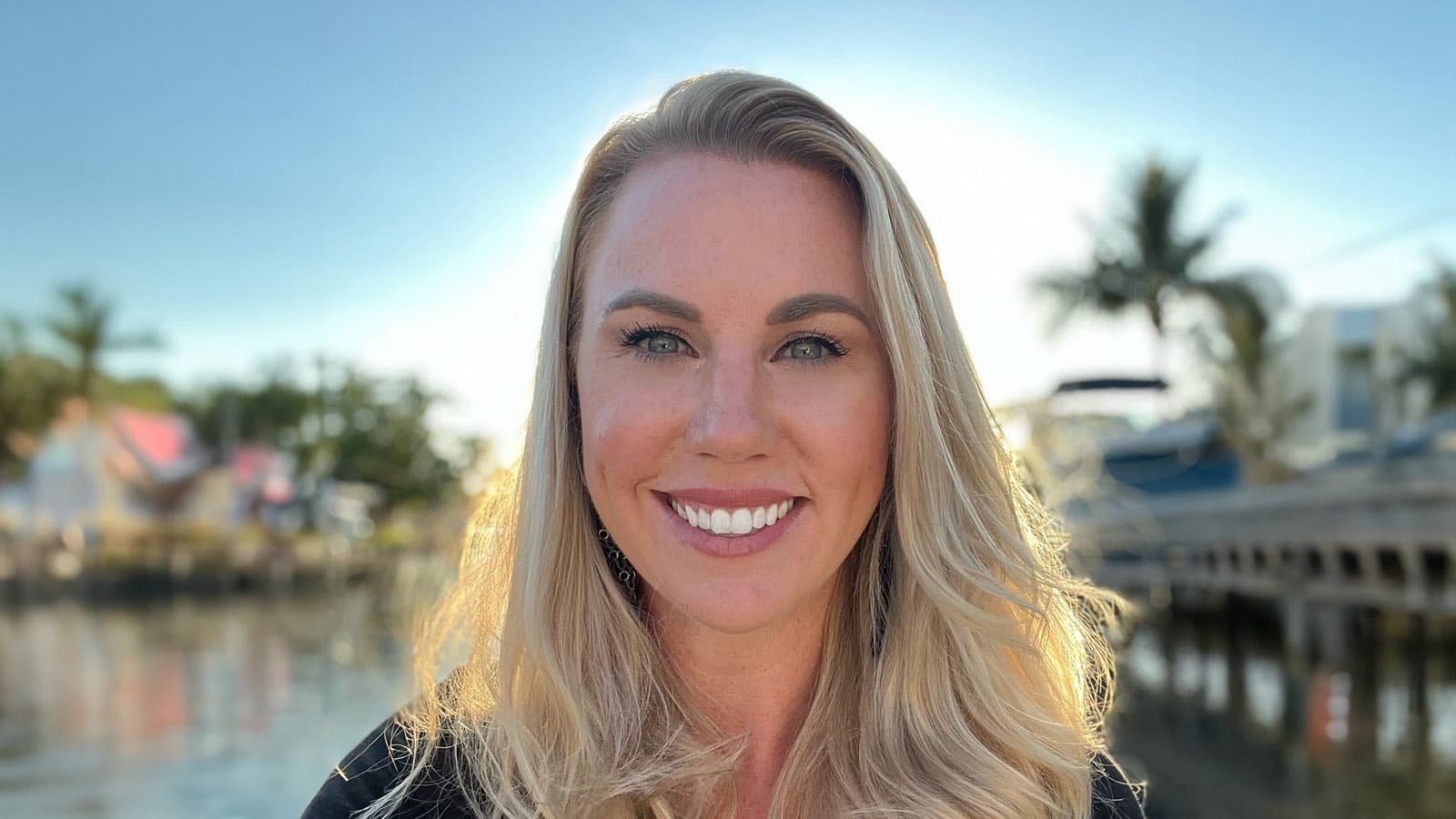
VP of Growth Operations at aytm — leading marketing, learning and enablement, and culture programs across a 200+ person organization she helped build from the ground up. She speaks on AI adoption, keeping humans in the loop through rapid change, scaling teams without sacrificing culture, and why learning and enablement belongs inside marketing.
Featured In
- Media outlet 1
- Media outlet 2
- Media outlet 3



Watch this short video about Tiffany
Who is Tiffany?
Tiffany Mullin – Radosevich is VP of Growth Operations at aytm, where she leads five interconnected functions: Growth Marketing, Brand Marketing, Product Marketing, Learning & Enablement, and internal culture marketing. It's a scope most organizations split across multiple leaders. She runs it as one connected system. Tiffany didn't just grow a team. She broke it, rebuilt it, and proved that culture and growth don't have to be a tradeoff.
She's been part of aytm's journey from a scrappy 20+ person team to a 200+ person organization. She has built, restructured, and scaled the marketing function through every stage of that growth. That means she's lived every tension fast-scaling companies face and rarely talk about honestly.
How do you grow headcount without losing the culture that made people want to work there? How do you keep decisions fast and clear when layers of process and hierarchy start to creep in? How do you hold onto the people who carry the institutional knowledge, the scrappy energy, and the values that got you to growth in the first place? How do you stop cross-functional teams from siloing the moment the org chart gets complicated? And how do you make sure marketing stays a creative, strategic force at the table rather than a function that just reports on what everyone else decided? These are the questions she has lived, not studied.
At the executive level, Tiffany is a strong advocate for marketing earning its seat at the decision-making table. Not by running more campaigns, but by bringing better data, sharper insights, and a clear point of view on where the business should go next. She believes the best marketing leaders don't just respond to strategy; they shape it.
She's also deeply invested in the human side of growth: building culture programs that actually stick, keeping teams curious and connected through rapid change, and making AI adoption feel like an opportunity rather than a threat. Her view is that the organizations winning right now are the ones where humans and technology are designed to work together, not compete.
Outside of work, she brings the same energy to entrepreneurship, fitness, and building communities worth belonging to.
Highlights
- VP of Growth Operations at aytm: Growth Marketing, Brand Marketing, Product Marketing, Learning & Enablement, and culture marketing
- 15+ years scaling SaaS and high-growth organizations
- Helped scale aytm from 20+ to 200+ employees, building and growing the org through every stage
- Turned aytm's learning function into a product marketing excellence team
- Advocate for human-in-the-loop AI adoption in marketing organizations
- Builder of culture programs that keep teams connected, curious, and performing through rapid growth
Book Tiffany Now!
Tiffany is looking to share her perspective with senior marketing leaders, CMOs, and growth- focused audiences. Simply reply to the email you’ve just received from Fame Connect to arrange an interview.
Media Appearances
Listen to Tiffany's previous interview
Watch
Topics
What Your Audience Could Learn
AI Is Restructuring Marketing Organizations. Most Leaders Aren't Ready
Tiffany brings practitioner-level insight to the conversations senior marketing leaders are navigating right now, built from 15 years of doing the work inside a real, fast-scaling SaaS company.
She believes that AI isn't a productivity tool bolted onto existing teams. It's reshaping how those teams are built, what roles exist, and what leadership actually requires.
Tiffany shares what she's seeing inside fast-moving SaaS orgs: which functions are being collapsed, what new skill structures are emerging, and why the SaaS leaders who lean in will inherit the next era of marketing. Her take: marketers are not becoming obsolete. The ones who resist will be.
The Human in the Loop: Why AI Adoption Fails Without It
Tiffany highlights that every conversation about AI in marketing eventually hits the same wall: tools get deployed, but judgment, context, and creativity still live with people.
She makes the case for deliberately designing the human back into AI-powered workflows, not as a guardrail but as the thing that makes the output actually useful.
She covers what human-in-the-loop looks like in practice across marketing functions, and why the marketing leaders getting it right are treating it as a cultural shift, not just a technical one.
From 20+ to 200+: What Scaling a Team Actually Teaches You
Tiffany has been part of aytm's growth from a tight-knit 20+ person team to a 200+ person organization, and built the marketing function through every phase of that journey.
She talks about what breaks as SaaS companies scale, what SaaS leaders have to rebuild deliberately, and the decisions most fast-growing companies get wrong about team structure, hiring, and how marketing evolves as the business matures. This is a conversation for B2B growth leaders who are in the middle of growth and feeling the friction.
Culture Doesn't Scale by Accident. Here's How to Build It Intentionally
Most companies talk about culture until growth pressure hits, and then it quietly falls apart. Tiffany has spent years working at the intersection of marketing, HR, and people management to build internal programs that actually hold up through rapid growth.
Her view is that culture doesn't belong to one team. It's built when marketing and people functions work in genuine collaboration, co-creating programs that keep employees connected, informed, and invested in the mission.
Learning and Enablement Moved Out of Customer Support. Here's Why It Belongs in Marketing
Tiffany believes that learning and enablement is changing fast. As product education, community, and customer marketing converge, the traditional L&E function sitting inside Customer Services and Support no longer reflects how learning actually happens in modern organizations, a shift that growth leaders need to understand quickly.
Tiffany has lived this shift firsthand, moving learning and enablement into product marketing and watching what opens up when those marketing teams genuinely collaborate.
Marketing at the Executive Table: How to Drive Decisions, Not Just Report on Them
Tiffany highlights that too many marketing leaders are still presenting results to the executive team rather than shaping the decisions being made.
She is a strong advocate for marketing earning a genuine strategic voice, and she is direct about what it takes: bringing data with a point of view, connecting marketing activity to business outcomes, and speaking the language of the boardroom without losing the creative edge that makes marketing valuable. This is the conversation CMOs and aspiring CMOs need to have.
How Insights Are Changing the Game for Marketing Leaders at Large Brands
Consumer insights used to sit in a separate function. Now they're landing in marketing's lap, and most teams weren't built to handle them.
Tiffany covers what this shift looks like in practice atlarge brands, what goes wrong when companies hand research tools to people without expertise, and how the marketing leaders who learn to use insights strategically are creating a genuine competitive advantage.
From Execution to Strategy: What the New Marketing Leader Actually Looks Like
The job description has changed. Marketing leaders are now expected to own business outcomes, shape strategy, and be accountable for what happens after the lead is generated, not just the campaign that got it there.
Tiffany has lived this transition inside growth operations, where marketing is measured by how well data drives decisions, not by output volume.
Scaling with Intention: Why Growth at All Costs Breaks Marketing Teams
Scaling fast creates a specific kind of Organisational debt: misaligned functions, duplicated effort, teams optimizing for the wrong things. Tiffany has helped grow a marketing organisation through hypergrowth and knows where the pressure points are.
She makes the case for intentional scaling: building systems that connect acquisition, conversion, and retention as one engine, a priority for growth leaders looking to scale efficiently.
Change Isn't Scary. Staying Still Is. A Practitioner's Case for Leaning In
The common belief that change should be managed carefully is, in Tiffany's view, the wrong frame. In an industry moving as fast as marketing technology, the leaders who protect their roles by resisting new tools and structures are the ones who lose them.
She draws on watching entire functions, including her own, evolve rapidly, and makes a direct, experience-backed case for why leaning into change is the only viable strategy for SaaS leaders right now.
Your Suggestion...
If there is a specific topic you would like Tiffany to focus on during the interview that is not listed here, please let us know.
We would be more than happy to run this by Tiffany to see if he would be able to discuss it in detail and deliver value to your audience.
Want to interview Tiffany?
To schedule an interview with Tiffany Mullin, please reply to the email you’ve received from the Fame Connect team or click the button below.
Email Us