
Dev Leader Podcast · 2025-11-24 · 1h 15m
Jamon Holmgren's journey illustrates how curiosity and exposure to technology at a young age - learning DOS commands on his father's 286 computer - led to a career in software development that wasn't linear or intentional. After community college and construction work, he built small business tools in Microsoft Access and VBA for his father's church community, then transitioned to PHP web development around 2005. When a cabinet sales system project convinced him his work was 'real coding,' he began hiring junior developers. By 2015, he'd grown to 14 people but was burning out managing the technical and business sides alone - coding eight hours, then handling six more hours of administration, accounting, marketing, and sales. The turning point came when he merged with another firm in 2015, bringing in experienced developers and two business partners, dramatically reducing his stress and allowing him to work from home with better work-life balance. Throughout, he discusses the difficulty of trusting others with critical business functions, the unexpected value of doing everything himself early on (building financial intuition, learning multiple domains), and the costs of that approach on family presence and personal health.
Hosted by Dev Leader. The show scores 69.0/100 on substance across its analysed episodes. See the full show profile.
At age 10-11 in early 1990s Mississippi, he became fascinated with his father's 286 computer when he discovered the menu system was running a batch file (menu.bat). He figured out how to examine the code, saw the syntax for echoing menu options, and realized he could understand how systems worked, leading him to pursue programming.
He was building websites and simple databases in PHP, which he dismissed as not 'real coding' compared to what he imagined professional programmers did. This changed when he built a complex back-office system for a cabinet retail company around 2007-2008, complete with databases and business logic, which proved the work was legitimate and powerful.
By 2009, he had enough web development and web app work that he needed help, so he began hiring junior developers to handle the growing workload. However, he was running around fixing their code and teaching them while still coding eight hours a day, which became unsustainable.
In 2015, he merged his company with another firm, bringing in two business partners and approximately 10 experienced developers. This allowed him to stop wearing every hat and focus primarily on coding and architecture rather than accounting, sales, marketing, and junior developer management.
Since 2015, his company has focused on React Native for mobile app development after one of his business partners discovered it when it launched that year.
Computed from the transcript - who did the talking, and the words that came up most.
In this episode, I sat down with Jamon Holmgren, co-founder and CTO of Infinite Red, to talk about his unconventional journey from framing homes in the rain to building a thriving software consultancy. Thanks so much for the discussion, Jamon! - You can find Jamon at: - Website: - Into the Dawn: - Twitter: - Jammin Games on Twitter: - React Native Radio: - Channels: @DevLeader : C#, DotNet, and Programming Tutorials @DevLeaderPodcast : Podcast and Livestream @DevLeaderPathToTech : Resume Reviews & Job Interviews @CodeCommute : Q&A Vlog on Software Engineering & Careers @BrandGhostAI : Cross Post and Schedule Content!
Transcribed and scored by The B2B Podcast Index.
Speaker A: In this video interview, I sat down with Jamon Holmgren and we got to talk about his career journey as well as building a software development company. What I thought was really cool to hear from him was his perspective on building trust in other people to end up forming a partnership with them, as well as a discussion on adhd. And I thought that that in particular was quite eye opening for myself. And I think that there's probably a lot of you that can benefit from hearing that different perspective. So I think that you're really going to enjoy this one. I certainly did. And so sit back, enjoy, and I'll see you next time. Damon, if you don't mind kicking us off, uh, a little bit of career journey, you can kind of start as early as you'd like. I know you sent over some notes and I appreciate that, but I figured, like, if you want to tell your story, um, from wherever you'd like to, that'd be awesome.
Speaker B: Yeah, totally. Uh, so I started like, I grew up rurally and my dad had a excavation company. And so for his small business it was just him, you know, and he needed some, some way to like do the books. And so he. This is like, uh, I grew up in the 80s and the 90s, so, uh, you know, like personal computing was just starting. And he finally went and bought like a 286 computer, which I actually have in the corner here. The original 286 doesn't work anymore. I, uh, went through a house fire. But, uh, but I do have the case. So anyway, I, uh, was fascinated by it. This. I was probably 10, 11 years old, something like that. And um, so early 90s Mississippi DOS, uh, you know, learning the commands. I remember my dad teaching me, you know, DOS commands.
Speaker A: Nice.
Speaker B: Which he had just learned, of course, and CD backslash and things like that. And um, and I, and I was really curious like how, because the, the company or the computer store that, that put it together for us. I think. I think my dad paid like $2,300 or something for this computer back in 1992. And. Which is insane amount of money, you know, when you think about it. But, uh, he. Yeah, so he had this computer and um, and there was like a menu. So like when you first booted it up, it would like show you a, uh, menu. And I was like, how does this menu work? And I noticed that it was running because you could see the commands as it was kind of scrolling by. It was running like menu bat. And I was like, what is that? And so I somehow figured out how to get in and look at that file. And I saw like the syntax of like, you know, it was echoing out all these different, you know, things for the menu. And then, uh, and then they just had like 1 bat, 2 bat, 3 bat were the kind of the different things and are like going to the games, directory, folder, whatever. So I was just trying to figure all this stuff out as a kid and I just got fascinated by it. It was just like immediately like, this is cool. It's
Speaker A: like a common thing where like a lot of people that get into software and stuff are just like super curious, right? It's like, oh, yeah, there's something that they encounter and they're like, I need to, I need to know more about whatever this is and how it works. Like, I don't know what it is, but something's drawing me to it.
Speaker B: Yeah, absolutely. And that was definitely me. And uh, my dad actually was pretty like disappointed with the computer because it wouldn't run QuickBooks. Like he had Quicken and he tried to do what he could with Quicken, like a DOS version of each of these. Right.
Speaker A: I'm trying to imagine that, by the way, because like, I, I also use like, um, My initial computer use would have been DOS as well, but it would have been like, I don't know, like Duke Nukem 3D and like Quake and. Yeah, like. Yeah, yeah, I don't know.
Speaker B: Totally. Uh, yeah, absolutely. And we had games on our computer. My mom and dad wouldn't let me have two violent of games, but I had some games on there, including a helicopter game which kind of plays into one of my side, side quests I have going on, um, which I loved. Uh, but yeah, I played a lot of games on it as well. And then my dad went and got another computer a couple years later, a 486. And that one had Q BASIC on it, which was a really big deal for me. And I had at, uh, school, this math teacher had like noticed I was interested in computers and gave me a BASIC book. And so I'd read the BASIC book and I tried to put some stuff into like, uh, Apple IIe's that we had there in the computer labs. Commodore 64. And uh, sometimes we get them to work a lot of times, you know, Mad Libs, like you put in the, the words. Yeah, yeah, I. So you do like verb or, you know, the name of an animal or whatever, and then it prints out a funny statement at the end. And that was a good way to kind of learn how to do variables and you know, printing on the screen, getting input. It was like a really, really good way to, to learn. And so I had that and, uh, that kind of background. So when I got Q basic, I did it. You know, I was like, oh, now I can do this anytime that my mom lets me use the computer. And so that's just all I did, you know, for a long time. I eventually, you know, discovered basketball and some other interests. But it was, it was very much like coding all the time. Whenever I could. I probably made 200 little games and some of them were pretty complicated.
Speaker A: Wow.
Speaker B: Yeah, Yeah, a lot. I mean, it was, the computer was just jammed with my stuff and, uh, my mom would kick me out, you know, like, go play outside, whatever. She knew that was good for me. Um, but, you know, I kept, kept doing that, but I, I didn't have any. I didn't really know. I knew one programmer and he was really smart, like super, super, like, I don't know, the guy had memorized M PI to the 500th digit. And I kind of thought that that's what a programmer was like, someone who could do all this stuff.
Speaker A: Right.
Speaker B: And so I
Speaker A: feel like that's like, like a common, like a, just a common belief that if you want to be in software development, like, it's gonna be math. And uh, you know, you're, you're referencing someone who's memorized digits, which is, I mean, is that arguably math? I don't know if that's necessarily math. It's PI. Sure. And it's numbers. But I think a lot of people have this, you know, this idea in their mind that if you're getting into programming, software development, you must just be all in on math as well.
Speaker B: Yeah, yeah, absolutely. And, and so that's what I thought, but I still, I, it was kind of in the back of my mind. And, um, I worked odd jobs, mowing lawns, different things like that. But yeah, I mean, fast forward. I went to, um, a community college, uh, and I went for some sort of computer information systems something or other. Only went for one semester. And I was really there to just, uh, play basketball. And I eventually actually got cut from the team. So I wasn't, I wasn't good enough to play basketball. Okay. Uh, and, uh, it was a fun experiment or experience though. And so, uh, I got cut from the team. I, I was enjoying the classes. I had a Linux class, uh, or, you know, like this was 2000. Yeah, 2000 year. 2000. And um, then, uh, then I went into construction. I, you know, just Kind of quit school and I was working out in the rain, framing homes, you know, you know, building stuff. Um, and eventually software
Speaker A: development. Like, or like at least dabbling like at this time where you still like it was still an interest but not like a, a career kind of thing at this point.
Speaker B: Yeah, totally. I was still doing. Well, I'd switched from QBasic finally to like other things I was doing, I think Game Maker or something like that, like early versions of that. And then uh, one of my dad's friends. So my dad sold his business, became a full time pastor. Uh, he had been like a part time pastor, Lutheran pastor. And he took over a church. And in that, in that church there were a bunch of business owners, a lot of construction and um, they needed like little things done and they knew that I knew computers and programming stuff and they'd be like, hey, can you, can you make this thing that will like track, you know, my machines, where they go and, and stuff. And I would build in like Microsoft Access and vba and they'd pay me a little of nothing. But I just thought it was like awesome, you know. Cause I got the code and got paid for it and didn't have to be out in the rain. And uh, yeah. So then I was working for a home builder for a while and then I decided I wanted to go on my own when I was 23 and I figured, well, I could like make websites. And I also knew home design by that point because I'd been doing home design. So I was kind of doing both at the same time. That was 2005. And of course three years later, two years later, three years later, the housing crisis happens here in the States. And uh, we're like, there's no home design to be done. You know. And the company I worked for before was laying people off. And uh, you know, a lot of home builders are going out of business and I'm like, well, I guess the website thing is all I got here and it never really occurred to me to try to go get a job, um, you know, coding because like what I'm like building websites in php. This isn't like real coding, you know, this is just kind of doing like stuff on the side. That's what I thought.
Speaker A: Okay, yeah, yeah, yeah.
Speaker B: But yeah, that's kind of how I started it. And then, uh, but all those businesses that I knew from my dad's church, they, in 2005 and a little before that and everything, they started being like, I should probably get a website, like, you know, yellow pages isn't really doing it anymore. And so that's where I started, like just building a ton of PHP websites. And that was, um, that was a lot of fun. Uh, and in 2009, then I started hiring people because I had enough work that I could, and I needed to do more than just websites. It was like web apps and things like that.
Speaker A: And out of curiosity, like at that you're saying at that point you're hiring people. And you had also said that, you know, your perception of like not going out to like get a job doing it, uh, is because it didn't really seem like it was like, I don't know, like real programming work or something. But something must have changed in between there where you're like, wait a second, like, I'm going to be hiring people to do this. So like,
Speaker B: uh,
Speaker A: was there a point where you kind of realized that for yourself or what?
Speaker B: Yeah, that's, that's a great question, Nick. I think that it was when I got this project that was like a back office system for a cabinet. It was a cabinet, like sales. Let's uh, hear like a. I guess a. They had like this showroom and they didn't make the cabinets, but they sold them, I guess a retail place. And so you'd go there and you'd like, pick out what you wanted and they needed like a back end, like a back office system. This, um, is probably 2007 or 8. So like a few years into what I was doing and by that time all of my, you know, my home design work had dried up and so I was just full time doing that. And I was like, oh, this is like a real system. This is like a big deal. I have to do like databases and all this other stuff. And I'd done some database work, um, like just for, you know, content, uh, you know, like storing content for websites and whatnot. Um, and kind of built some of that stuff up. And I built something for myself, you know, to kind of track invoices and things like that. And then, yeah, I just started building the system. I'm like, this is a lot of work. There's a whole bunch here. They still to this day use the system I built. Like, it's, it's kind of fun. Uh, I ended up building a system similar to it for the manufacturer who's also locally local. And they built my cabinets in this house and they were coming over to do some warranty work. This was like years and years later. Guy had an iPad and I look at the iPad and it's running the system that I, that I built. And I'm like, I recognize that thing. Uh, and he's like, yeah, we love it. It's great. So that was pretty cool.
Speaker A: That's awesome.
Speaker B: Yeah, so that was, that was fun. Um, and then, yeah, it was like, at that point I'm like, okay, this is actually legit. There's like, this is powering like small businesses and, and stuff like that. And we're doing a whole bunch of technologies. Um, but then I got in, you know, I, I got a smartphone. Um, it was really when I actually got an iPad that I started getting interested in making some apps for it. Um, and then a few people asked me, like, could you make an app for me? And then I, I built, um, I built a couple apps. I used like Phone Gap. You. Did you ever use Phone Gap back in the day?
Speaker A: No, No, I don't think I've heard of Phone.
Speaker B: Like, uh, so, like Cordova, Ionic. Um, what's the. Okay, yeah, yeah, those are kind of like successors of phonegap. Uh, it was basically just a webview, kind of a thin wrapper webview. And
Speaker A: yeah,
Speaker B: it just wasn't a very good experience back then. And still, uh, isn't that great to this day. There's some things that are a little better. So I wanted to like, okay, well let's. I'll code it like in native and did, um, some native coding for a while. Uh, and then, uh, 2015, I had met my business partners the year before at a conference, uh, ended up merging our companies together. Because that's a whole story that I can go into if you want. But it's, uh, basically, uh, when we did that, we were like, okay, uh, what tech do we want to focus on? And uh, my business partner found React Native that had started in 2015. And so that's what we've been doing ever since. And uh, I was up to about 14 people at that point. I had hired a bunch of people. I, you know, but it was like being a, you know, solo owner and uh, having a lot of like, junior level people at that point.
Speaker A: Okay, yeah,
Speaker B: it was just way too stressful, like, just too much going on. Uh, I was having to do wear too many hats. And so by merging
Speaker A: with the other guys, with the 14 people that you'd brought on, you said like, yeah, okay,
Speaker B: yeah, because some of them, I had one guy that was good at like helping with business development and things like that. But, um, most people were pretty junior. Um, and so I was just kind of running around like, Fixing people's code and teaching them and stuff like that. And that was a lot. And so merging with this other company allowed me to bring in like, they had, I think around 10, um, like pretty experienced developers. And we just matched them up and said, okay, you know, and then I started doing different things and uh, uh, have two business partners now. And that's been the last 10 years and that's been great. Uh, it really allowed me to kind of not be quite so stressed, but I kind of backed into all of this. Like, I didn't really, you know, it wasn't really a plan originally. I, I just kept going from one thing to the next. Like, okay, well, I can go into an office and not. Not be working in, in the rain. And then, hey, you know, um, uh, maybe I can make websites because I don't have any home design work and all that stuff. Yeah,
Speaker A: yeah. Well, and that's, I think, a, uh, that transition going from like, I have, I've not done this for like a business I own or anything. Um, so kind of, kind uh, of interested to hear a little bit more. But on this, on the shift from being like, I understand this idea of wearing a lot of hats, right. And especially if you're. Some of those hats or um, the hats that you have to wear end up being a lot of what. I don't mean this in a condescending way, and I don't know a way that's going to make it sound better, but when you feel like you're kind of picking up pieces of other people, like you're, you're helping out, right? And you're, you're kind of acknowledging. Acknowledging these people are more junior and uh, it's expected. Right. If they're more junior, they're going to have to learn there's going to be some things you have to help out with. But if you're spending a lot of time doing that, even I feel like even if that's something that you do enjoy, there's probably a lot of parts of the business where you're like, I just simply do not have time for that. Um,
Speaker B: yeah.
Speaker A: And the things that you're seeing, like, the business needs more attention here or over here and like, I can't do that. So, um, yeah, maybe if you don't mind. And there's parts of that story you want to share about kind of like joining up with another business. I think that'd be really cool to hear about.
Speaker B: Yeah, absolutely. Uh, so I put in a lot of late nights, like really late nights. Um, I'd gotten married at 21. I was almost 22. So pretty young. And, uh, we have four kids. And, uh, so over the years, this was like, our first kid was born in 2005 and our last one in 2013. So throughout that whole, like, like, my son was, like, 6 months old when I started the business. And then throughout that whole time, I'm, like, working late in the spare bedroom, and then eventually, like, working late at the office that I had, the little office that I had rented, um, from the previous home builder that I had worked at. And so it was, it was like I was just burning the candle on both ends. I was putting in. I kind of let my health go. I wasn't, you know, like, exercising, eating right, all those things. I was just putting everything I had into the business. And I, I, I got into it. Cause I, you know, partially because I wanted to run my own business, but also because I liked coding and I wanted to do more of it. And I was finding myself, like, coding for eight hours, but then doing all the other stuff for another six hours, and it was just too much. And it was also because I didn't really understand the value of, like, bringing in people that I could trust to do things. And that was, that was a hard lesson for me to learn. For some reason, I was always, I
Speaker A: feel like that was like, maybe the, the one of the bigger barriers was like, how do I trust some? Like, I have this thing, and, uh, how do I trust someone else or other people?
Speaker B: Yeah,
Speaker A: sort of the same involvement.
Speaker B: Yeah, totally. And part of it was like, me being like, I guess, just. Just sort of a little intimidated by the thought of hiring someone at, uh, like, a high salary that I now have to pay. You know, I'd always kind of brought in junior juniors at junior levels. And stuff. And, um, and that was, that was a pretty big, like, okay, how do I make this work? You know? And a lot of it was just me just sort of through force of will, trying to make it happen, learning everything, like, learning accounting. And it's like, what, what, why, why was I bothering with any of that stuff? It was nice later because I had that, that basis. I, you know, I learned marketing, I learned sales. I learned all these other things. Um, but at the end of the day, it was just far too much for me. And I did a lot of things poorly is what happened. And I guess I think that was, that was really the, the reason I started kind of like, thinking I got to do something different.
Speaker A: Do you feel like, in hindsight, Because I think that's a super interesting observation where you're like, man, I'm doing all these things. I'm like, I don't really have to be. I don't have to be the one doing these things. But do you feel like in hindsight, if you had a time machine and you had to repeat the. The same, you know, thing again, um, do you think that that was actually a very helpful thing, that you spent some time on it? Like, would you have done it the same way in hindsight, or would you be like, no, right away? I would, you know, go get someone else to do it. Like, what is. How does that change for you?
Speaker B: That. That's a fascinating kind of look back. And. And, um, I would say that it. It's sort of. If you compartmentalize it, there are things that absolutely help me today. I have instincts for things that most business owners would not have because they didn't maybe do that. They wouldn't have, you know, actually sat down for, um, for five years in a row and done a monthly budget every single month, you know, like, by hand. I. You know, you're not just getting a report. Like, I had to build it. I had to enter every receipt. I had to do everything. Uh, my wife ended up helping me, uh, some with that too, but she was busy with four kids. Like, there was, you know, plenty to do there. And, um, so that comes back to what I do it again? No way. Like, no way. I would do it very differently. And it was primarily because I wasn't present for my wife. I wasn't there for my wife and my kids in the early days.
Speaker A: So it's not about doing it more optimally for your business. If you're to reflect on it. It's actually for the other parts of life.
Speaker B: That's right.
Speaker A: Very interesting.
Speaker B: Yeah. I would have. I would have kept up on my health. You know, I'm 40. I'm almost 44 now. And turns uh, out when you're 24 and 34, it's easier to keep up on your health. And now I gotta, like, work harder at it. Um, and if I just kept on it the whole time, I would have been better off. And then, yeah, just been there for my. For my kids, especially my older kids. Um, you know, because for the last 10 years, I've been working from home and I've been more present and I haven't been as stressed, uh, which has been really nice, but it was like a late lesson ten years later. Um, but at the same time, I can't just say, oh, there was nothing valuable that came out of that. Obviously there was, there was a lot that came out of that that was good. And I was still coding and I was still like the senior developer. And we were doing PHP originally. We did PHP pretty much the whole time. But we also added, uh, Ruby on Rails, um, a lot of Ruby on Rails, um, and a lot of different JavaScript frameworks. We were doing Ember when I ended up, um, that, that, that chapter and um, lots of different. Yeah, uh, I mean, all kinds of things. And I learned a lot doing that. I always had a fascination with that stuff. You know, learning is just my happy place. I love it. It's uncomfortable, but it's fun. Um, and so, yeah, there were a lot of really good parts about it. And then there are parts. I look back and say, yeah, that wasn't worth it. And I was sacrificing in ways that I didn't really even understand. I was sacrificing.
Speaker A: Yeah, that's, uh, that's really interesting. I, I guess I, I'm not, I'm not surprised now that you've said it, but I think initially, uh, a little surprised because, like, I didn't even think about the fact that, yeah, the part that you're probably gonna, you know, want to optimize is the other part of your life outside of work. I was sort of expecting like a,
Speaker B: A
Speaker A: business focus on it. So. Yeah, thank you for sharing that and just go ahead.
Speaker B: Yeah, no, I, I just, um, that. That made me think like there, there are business parts of it that I would do differently too. And, and, and I could have certainly gotten past a lot of things much quicker. I could have brought in someone who could do a lot of the other parts. I could have probably brought in a business partner. That's a little risky, of course. Um, but I certainly could have brought in. I could just have hired someone to do a lot of those other things and entrusted them to do them. Well. Do you
Speaker A: think that you could have trusted them though? And I don't mean that to challenge you, but it's a curiosity thing. Do you think that going through some of those things, understanding them better, ah, like, would allow you to trust people more easily? Like. I don't know.
Speaker B: Yeah, that's a good question. I. It's a really hard question to answer at this point because I know kind of what I would do now, but back then, um, I didn't know what I didn't know. And so it was really hard to kind of, uh, let go of Things. I think the other thing is I would have focused more on training my developers. Um, I would, I didn't have as much patience back then and I would, uh, I would show them how to do something and then if they didn't pick it up right away, then I'd just be like, well, I'll just do it. And that was like, terrible. That was a very dumb way to go. And it held them back is what happened.
Speaker A: Yeah, that's a, like, it's a super interesting learning because you said that you had up to 14 people. Yeah, I'm assuming most of them, if not all, were developers. I
Speaker B: had two designers, um, and I had a, ah, project manager. But everybody else was a developer. Yeah,
Speaker A: yeah. So significant portion. Right. And I think one of the like. And sorry, I believe, if I understand your story correctly, so you've not been employed by like a software development company aside from the one that you run, right?
Speaker B: Yeah, that's right.
Speaker A: Yeah. So like, my experience is the opposite end of that. And like one of the really interesting learnings that, um, like I started managing teams like really early in my career. Not because, I would love to tell you, it's because I'm so good, but it's like, no, it's just literally that had to happen at a startup. So.
Speaker B: But
Speaker A: I
Speaker B: think
Speaker A: one of the interesting things was like, like I made this mistake a lot. And then trying to coach other people on this is like a lot of us, I think, have a habit of like, we're trying to do our best to help. And so we see other people, either they're making mistakes or they're junior. Like, you know, they're learning. It's totally normal and expected. But how we decide to help is like, well, let me show you. Like, I will do it. And then the next time they don't get it or ever, you're like, okay, like, yeah, give me the mouse and the keyboard. Like, I'll do it. And then you start to keep doing this and what happens is you end up accidentally training people that they can get you to do it. And it's not malicious. Right? They're not. Not at all.
Speaker B: Yeah,
Speaker A: I'm not going to do anything. This guy will. But they learn that. And then you also get into the spot where you're like, why the heck am I doing so much stuff? I'm like, I'm drowning under all of this stuff I have to do.
Speaker B: Yeah, I would get. You're exactly right. And I would get frustrated with them, which was totally not like, reasonable at all. But I'd be like, I got all this other stuff to do. And you're saying, uh, this can't be done, and I can fix it. And I go in and I fix it in five minutes. And I started, like, you know, making this joke about, like, if they would ask for help, I'd be like, five minutes, I'll have it done. And usually that was true. Like, I would have it done in less than five minutes. But that was arrogance. I look back and would have changed a lot of things. Uh, it was arrogance, and it was also exposing my own failure. And one thing that Todd, who's my. Todd Worth, who's my, um, co. Uh, founder, uh, one of my two business partners. One of the things he said was if you. If you go. If someone who's working for you can't, um, do something, you go and do it for them. What you're saying is that you're not good at your job, so you're gonna go do theirs. And I was just like that. Yeah, that kind of hits a little bit close to home there.
Speaker A: It's, um, good framing because it makes you think about it differently, right?
Speaker B: Exactly. Because really the question should have been not can I. Can I get it done in five minutes? The question should have been, uh, how can I get them to the point where. Where they can do it in five minutes or 10 minutes. It doesn't have to be five minutes, but get it done. And, um. And so, yeah, that was. That was part of it. And also just sort of hiring because I started, you know, hiring friends and family and stuff. And, um. And that's always hard to do because you're not necessarily getting someone passionate about it. Uh, you're getting someone who is looking for a job. And, uh, as time went on then, I did accrue people that were really good. Some of them are still with me going way back. The very first person I ever hired is still with me. Like, he still works for us. Yeah. Uh, way back in the day, 2009, I guess. Yeah. Um, and so, uh, there's a lot of good and also a lot of stuff I definitely reflect on. And I feel like, um, those days that I. It gave me a lot of instincts, uh, that some of which are not good, but a lot of them are good. Like, I can kind of sniff out, like, there's a problem, because for a long time there's just nobody to pass the buck to. I just. If. If I didn't make it happen, literally, like, I wasn't bringing a paycheck home. And I didn't have a lot of options on that side. I had four kids and a mortgage.
Speaker A: Yeah, like, sort of the, the looking at the risk is like, it's probably wildly uncomfortable, Highly stressful. Yeah.
Speaker B: Yeah, absolutely. And I guess partly I have a little bit of like, um, I don't know what the right word is, but just sort of unrealist, unrealistic, uh, optimism around some of the stuff like, oh, yeah, I'll figure it out. And I, you know, I'll, I'll just get it done and I'll do it through force of will. But there were a few times where there was like, well, not more than a few times where I'm like sinking, you know, I'm, I'm like doing my budget and I'm like, there's not much money here and I'm not doing the right things. Um, toward the end of it, I would say 2013, 2014, 2015. Like the first seven years were really tough, but then it like started getting better. Um, and by 2015 things were better, but the stress level was still really high. And I told my wife, like, if something. I remember telling her specifically, the exact. I can picture in my mind, I was like. It was like end of 2014 and I was like. And we, we had just had a big client drop out. Just like in one day or. Yeah, basically a day they said, shut everything down. Send back any money you haven't like, spent. You know, because we were doing like a deposit system. And uh, and I'm like, that's like half my team. Like, I got to try to like, put, put them on something. I was so stressed and I was like. I told Kyra, my wife, I was like, if, if something doesn't change next year, then I'm hanging it up. Like, this is just too much. And that's where I had already met my eventual co founders. And uh, that's when we were starting to chat a lot, especially me and Todd. I got to know Gantt, uh, quite a bit later. M. A lot better. Uh, but Todd and I really hit it off and I, uh, was kind of venting to him about a lot of this stuff. Uh, and he had his own issues with his company. He had all senior level people, so he didn't have to do anything with them. They were great, but they were expensive and it was hard to like, the business model didn't work as well. And he was doing consulting, mobile consulting, and we were doing a lot of the same tech. And I'm like, well, I have a bunch of juniors. And he and I just started going back and forth. Yeah, something might be here. And, uh, we eventually decided to merge, uh, our companies. And we did that, uh, as of last month. It was 10 years ago.
Speaker A: That's amazing. Did you find that, um, it sounds like you were kind of forming this relationship, this friendship for a little while. And I'm assuming, like, did that really help in kind of building the trust and going, like, I see how this person operates things. So you reach a point where you're like, wait a second, like, this could be something. Because otherwise, I'm assuming the trust level is just really difficult to try and get to.
Speaker B: Absolutely. And if you ever meet Todd, um, he's kind of a recluse. He doesn't really come out of his cave, whatever. But he is the type of person that, uh. Like, if you start getting to know him, you'll get to know him very deeply, very quickly. He's. He's someone who, um, who is, like, intensely interested in you and wants to kind of, like, talk about stuff. And it was really good for me to kind of have someone to. And he's 10 years older than me, had run businesses before, and he had some ideas around some of this stuff that, you know, just like, experience and stuff. And, um. But I didn't want to do it if he wasn't going to treat my team as well as I did. And I quickly got based on, you know, talking to the people that worked with him. Cause I knew some of them through the conference and whatnot. And. And then just seeing how, like, his philosophy and everything, that if anything, he's probably going to treat my team better than I do. You know, he's. He's great. And, uh. And that was really what. And we also kind of ran our companies kind of like, almost like we were already merged for several months, like making decisions together and stuff, but still keeping separate books and stuff and just to kind of see if it would work.
Speaker A: Um, and then almost like a. I don't want to call it a trial period, but at least there was.
Speaker B: We called it dating. Dating. It was kind of like dating. Um, and in a lot of ways it's like, yeah, that's kind of what's happening. Because once you're in a partnership, you're going through so much together that people say it's like a marriage. And there's aspects that are, uh, similar where you're like, yeah, I mean, kind of tied at the hip with this person. And, you know, we got to go through. Got to go through Whatever, Whatever comes. Um, but yeah, that was kind of the big thing. Um, and it went like, the merger went way smoother than it should have. Like, it just like it was seamless. It like went together. We started doing things, um, you know, as uh, the three of us. There was an original co founder, Ken, who was part of that. Uh, but we eventually bought him out. Uh, he didn't want to be a business owner. Um, and so he ended up, uh, we ended up buying him out. Um, but Gantt, Todd and I are, are the team now. Uh, the ownership team. And we're up to 30, 31 ish people, something like that. We've decided not to like, get too big. We kind of like the small feel of. Yeah,
Speaker A: so that's like a conscious decision to.
Speaker B: Yeah,
Speaker A: there's a call, like a sweet spot where like you feel like you're. Oh, I don't even know if I want to use the word agile, but like, uh, nimble enough. Yeah,
Speaker B: yeah. Because partly, like, we only do one technology now, like React Native. And if React Native were to nosedive, it's doing great now, but like, if it were to ever have a problem, then, you know, we have to be able to like switch. Switch horses midstream type of thing. And then also we just like, we. Last week we just had our yearly get together with the whole team. We went to Austin, it was our tenth. And um, it was like I know everybody at the company. You know, at this size, there's a certain size. I've talked to some of the people who own businesses that are similar to ours, but they're like 100, 150 people, stuff like that. It's like, yeah, they, they've never talked to some people at their company ever. And I bugged people at our company all the time. Like, you know, uh, with 30 people, I can't like have eight hour conversations with everybody, but I, but I, I interact with people like all the time. And so I feel like I know people really well. I just, uh, we're really optimizing our company to be that. Um, and, and so that was big. But one thing that I did lose, uh, 10 years ago was I was going from like doing all the like senior level architect, like high level programming to then I switched to like operations and sales and then just more sales and legal. And I wasn't coding anymore. Like, there are these. What
Speaker A: does that feel like for you then? Right? Like what, what does that do to your outlook on things? Yeah, yeah,
Speaker B: that was really weird. And at first it was like the challenge of just doing the business part, the smaller slice of the business part was good. Um, and more
Speaker A: focus. Like, you feel like the work that you do has more direct, like, impact for the time you're putting into it kind of thing.
Speaker B: Yeah, exactly. And I'm. And I can also be done at eight hours, you know. Yeah. Which was really nice. And, uh, but what was happening was everybody was learning react native and kind of like getting good at that. And we had all these like senior level people coming in from the Infinite Red, the original Infinite Red side. Um, and my team was getting up to speed on it. And they're asking, if they asked me, I wouldn't know because I had never done that technology. It was a brand new technology for the brand new company. And, uh, so they'd go ask Gantt and they'd ask Steve and they'd ask these other Mark and all these guys. Um, so they all kind of learned together. Uh, and I was like, I'm kind of left behind in this stuff. Um, and you know, I know kind of like iOS native, so I could still be useful. But it was a really weird thing. And then over time I started realizing I miss coding, but I don't even know, you know, I can do some open source. And so I did some of that, but it was just like I wasn't in that pipeline at all. And when Ken left, then I switched to CTO instead of chief Operations officer. Um, and I, but I was still doing sales. And so it was, you know, I was kind of leading the tech team. But the sales part really burnt a lot of my time. Um, and I, I missed it and it was really tough for me and because I, you know, I've been coding since I was 12. Right. So, uh, I was like, I can do stuff on the side, but it just didn't feel right. Um, and just fast forwarding a bit. Ah, a year and a half ago, I decided to start making this helicopter game, which allowed me to kind of get back into it. It also turns out that I was able to hand off the sales stuff to Gant, who loves it. My other business partner loves it and he's great at it. And I should have done that years ago. And I don't know why I didn't think of it.
Speaker A: Um, wait a second. You like doing this?
Speaker B: You like doing this? Like, really? Yeah. And also he's good at it. He's like, better than me at it. And I've been doing it for 20 years. And so I was like, okay, well, that's Great. Because now I can actually go code. And so now I've actually been more. Way more in the code with our team, learning new stuff, going deeper and stuff. And I had always, you know, my. You. You talked a little bit, Nick, about the. The curiosity part. Like, at the very beginning of this, that didn't go away. And so I'd always, like, stay up on Twitter and GitHub and I'd be reading. Right. Like, reading a lot of stuff. And I did. I did open. If you look at my GitHub, history is never, like, dead. You know, I'm always doing
Speaker A: something
Speaker B: 800 comm. You know, 800 contributions a year was probably my low point or something, but, like, it. It still was never like, the all every day. And then, uh, so in the last year, I've switched back to, like, actually leading the tech team, actually, um, coding. And I have this helicopter thing on the side, so I'm doing. I'm getting more code than I ever have, so.
Speaker A: Well. And did you. I'm just curious, like, for this period where you. You were more hands off in the code from the work perspective, um, I think you had kind of touched on, like, you're trying to do a little bit, maybe outside, like, you know, keep, you know, keep in the code a little bit. Did you find that if you tried to, like, do something on the side, like, did you find that. I don't. I don't want to say, like, you felt guilty for doing. Did it feel almost wasteful where you're like, wait, why am I doing this? Like. Or, like, what was. What was kind of keeping you from just doing more of that?
Speaker B: There definitely was, uh, an aspect of that, because there were parts of the business that needed my attention, and if I'm coding, I'm not doing that. And that's really what I needed to work on. Um, and we gradually kind of ironed those out. You know, deploy patches right to the. To the. To the company, so to speak, because it's a lot like a program. Um, and so that helped, uh, did a really big kind of revamp of our marketing last year. Um, and that's been rolling really well, uh, actually with one of the original designers from way back in the day who's now our director of communications. He's running with that, uh, Justin Huskey. He's fantastic. We have a lot of people from way back in the day.
Speaker A: That's so cool.
Speaker B: Yeah. That's the thing I'm the most proud of, is that we have very low turnover. Um, we just almost Never lose people. Um, and, uh, there's people that have worked at the company since before the company existed because they go back to the previous company. Um, but, yeah, I was able to hand that off as well. Um, and. And the other part of it was just, um. I guess just not doing it all the time meant that. And there wasn't really a purpose to it. There wasn't really. It was just, you know, I do, like, little playful projects or whatever, but I didn't have that staying power. So I'd start something, I wouldn't finish it. I also found out I have adhd, and it turns out that that's kind of a common thing among developers. Um, so my wife
Speaker A: telling me this a little bit more. Um, she. She's a therapist and over the past, like, I would say maybe year or so, starts pointing things out like, hm, you know, like, by the way, that's like, that is a trait of that, like, not saying you have it. I'm not diagnosing. Sure. I'm like, I didn't. Like, I had no idea about these things. For full transparency. Like, I'm. I feel comfortable saying this, you know, to a camera because it's. It feels kind of embarrassing. But I'm probably not the only one. I just assumed that ADHD was, like, by definition, it was the kid in school who can't sit still. And,
Speaker B: yeah,
Speaker A: like, as a result, they maybe have a lot of challenges going through school. I'm like, look, I did really well in school as a kid. Like, I could focus. That was fine. I don't have adhd. And now literally, she'll send me things, like, on Instagram. And it's like, if you're doing this, like, that might be a sign. And I'm like, I do. I do that. Uh, every single one of these things.
Speaker B: Yeah,
Speaker A: all day, every day. So
Speaker B: I was exactly the same way. And my wife was like, she's not a therapist, but she, she was reading up on it and stuff. And, um, but she. She's like, I think this describes some things that you. That you do. And I started reading everything. Yeah, but, yeah, I'm like, yeah, but. But like, I, I was like a. Almost straight A student and I. But where did I do my homework? I did it, like, as I'm sitting down at my desk. Like, I'd whip it out and I'd like, ace the tests and then I'd like, squeak by with an A minus or something. Straight A's. But it wasn't like I was, like, diligent about Stuff I was just. I was pretty smart and I could pick up on things quickly and I had curiosity about things, so that helped. And I. Anyway, yeah, so I totally identify with what you're talking about. And I started like, I watched, um, Dr. Uh, K. The Healthy Gamer. Uh, he's really good. A lot of good stuff there. Yeah,
Speaker A: amazing. Yeah,
Speaker B: he has some really great ADHD content. Uh, and I started realizing, oh, okay, so it's not just like the, the hyperactive stuff. There's also inattentive, which is what I have it. Which is where, like, I just lose interest in, you know, if someone's not being. If someone's being too boring or whatever, because that's all the, you know, people would be like, jamin. You get a lot of stuff done, you're great. Could you pay attention more in meetings? And I'd be like, yeah, just be more interesting. And I will.
Speaker A: That's a you problem, not a me.
Speaker B: And, uh, but that doesn't go over so well, especially with my wife. So I, uh. Yeah, so I went down this journey. I, uh, have a great psychiatrist, uh, who's been good about like, like kind of understanding this stuff, answering all my questions. I'm not going to just take your surface answer. I want to go deep on it. I want to understand it. Uh, curiosity. I want to know exactly what's happening. How exactly does something like an amphetamine, like spur dopamine and norepinephrine. Like, I want to know the exact stuff. Like, how is the mechanism. What happens? What does addiction look like? Because I've had addiction in my family that wasn't fun. And, and, um, how do I avoid that? Uh, I'm someone who barely takes a Tylenol when I have a headache. Maybe I'll take a half of one. I don't like that sort of thing.
Speaker A: It's funny you mentioned that too, on the headache thing in Tylenol or anything. I almost never get headaches, and I have been for two days straight. I've been doing some stuff at work where it's incident bridges. And I'm like, uh, today I told my wife this is literally, I don't know, half an hour before we started filming. I'm like, I have a splitting headache. That's terrible. And I'm like, I never get this. And then I was like, wait a second. Like, I could. I could take at. Like, I never take Advil.
Speaker B: Yeah, yeah,
Speaker A: I could take Advil for this.
Speaker B: Like, it's a new experience. Yeah, that's funny. And. And I was the same way. And, uh, so for me to go to that there were, you know, there's other options and stuff. And so we worked through all that stuff, but it was life changing because a year and a half ago, or. Yeah, a little over. Yeah, like a year and a half ago, I started, uh, on some, like, taking Vyvanse and. And guanfacin and stuff. And. And, um, it was the most productive year and a half of my life. And I, Both professionally and personally, I was able to do things. I'm a productive person. I didn't think like, you know, because I'm doing. I'm like, nobody ever complains I'm not doing enough. Usually they complain I'm doing too much. But I became productive in ways that were like, I could direct my attention. I could actually then focus on something and actually get it done and go from start to finish, um, all those things. And so I was able to do some pretty big upgrades to the company as well as at home where some things were needed. Uh, not just my house, but. But like the family, you know, because these four kids that I had back in the day, now they're teenagers and now they have different needs and I have to learn and I have to get better at those things and, um, help my wife, ah, you know, a lot more. And so that. That stuff, I, uh, was able to, I think, make. Make some pretty big strides forward because I was taking care of that. Um, and there. There's still some times where I. Where I think, ah, uh, you know, it'd be nice to not have to, uh, you know, be on medication and stuff. But it. They like the. It's kind of undeniable what the effect was.
Speaker A: It's. It's interesting too. I like that, um, like, I can really appreciate that you were saying, you know, you're. You're talking to a psychiatrist and. And you're like, I want to understand. Not like, just give me the. Tell me what to do. I'm gonna go do it. It's like, I need to understand, like, I. I absolutely can resonate with that. Really appreciate that. And I'm curious. I don't like. So I probably have to go follow up on some of this stuff personally. But
Speaker B: I'll send you a blog post that I wrote. Um,
Speaker A: I would love to read that.
Speaker B: Well, that will help, I think. Um,
Speaker A: thank you.
Speaker B: Um, I just typed it into the private chat. You can check. Oh,
Speaker A: perfect. Okay.
Speaker B: Hopefully that one.
Speaker A: So this question I have, and I'm curious, uh, on your experience or thought thoughts on this is like, I just realized too, my camera's doing crazy things. Like, now I feel like I'm bright again. I've been living in the dark or something. I don't know, maybe it's just my monitor. But
Speaker B: yeah,
Speaker A: the, uh, the thought that I was having as you were chatting through that was like, you said that, you know, you've always kind of been like a productive person and, and this has still been transformative. On top of that, would you, would you say that, Would you describe your productivity or what that looked like before,
Speaker B: that
Speaker A: you were getting a lot of stuff done, but now it feels like you're getting like, particular things done end to end and closing them out. Like, is that a way to describe that?
Speaker B: Or you. Yeah, you nailed it. Uh, I would get things done that interested me and I would be productive in that way. And because I'm a curious person. There were a lot of things that interested me, but I didn't control that flow. I didn't control that, I didn't direct that, that energy. And so I would do a whole bunch of things that were productive and a lot of times useful, but, uh, they were not with, like, what's the end goal? And like, how do I go from A to A to B? Um, and the difference a year and a half ago was I started being able to go, where do I want to go? Uh, just take a step back, look at kind of the vision of my life, of the things that are challenges and the things that are, like, stuff I want to do, and start making very intentional choices toward that. And so I was able to, um, you know, really kind of hone in on that. And it turns out you get a lot of traction when you're not constantly switching gears and constantly switching, like, what road you're on. Like, I can actually, like, I. I set a course and I was able to do it. Um, and so that's really where it's not so much even the productivity went up. Um, I think it did, but it was just more that it was very much on like, high yield things, on high, uh, attraction things,
Speaker A: intentionally picking, like, doing the high priority things with intention. Um, because, yeah, I, I can definitely relate to this feeling of like, I. I know I get a lot of stuff done and like, part m of me is like, proud for like, trying to do lots of stuff, but at the same time I'm like, I know that if I, like on a Saturday, if I wake up and I'm like, I'm just gonna do code and I'm gonna Go do things. Like, I could probably find anything to go code and spend time on.
Speaker B: Sure.
Speaker A: And come up for air at, like,
Speaker B: uh,
Speaker A: you know, two in the morning and be like, that was awesome. And then if I look at what I do actually got.
Speaker B: Yeah.
Speaker A: What did I actually get done? I'm like,
Speaker B: yeah.
Speaker A: Was any of that, like, you know, quote unquote useful? Like.
Speaker B: Yeah. Moving the needle in the way that you want it to. Yeah. I, I, I relate. I really relate and.
Speaker A: Cool. Okay.
Speaker B: I, I think that that was the biggest difference. It was, it was a, it was a. I don't know. What's the right word? It's like culture shock or. It's a, it's a shock to the system in some ways because it's like, oh, man, now my life's kind of on rails, and I don't get to just pick all the paths and stuff. And I was like, no, I'm still picking the paths. It's just that I'm picking the paths of things that were obligations that I was kind of just ignoring and not doing well. Um, and it's like,
Speaker A: bury yourself in something else and just the time would kind of evaporate. Yeah,
Speaker B: exactly. And, um, was also a shock to my wife because we just, you know, like, we've been married for 22 years. There's, you know, a certain rhythm of how we do things and. But then she also was diagnosed with adhd, a little different style. I think it was a pretty big umbrella, which is part of the problem. Uh, but hers is more like on the social anxiety side and different things like that. And so she was able to, um, uh, you know, get hers treated and, and changed up some of the things she was doing. Um, and, and then, yeah, I was able to put more time into. Yeah. The stuff that mattered. And, um, and counterintuitively, I mean, maybe not maybe for. For smarter people than me. It's not counterintuitive. But, uh, now I have way more time to do whatever I want because I've actually taken care of my obligations.
Speaker A: Yeah. They didn't pile up. And you're like, oh, no, I have a billion things that I should have been doing and didn't.
Speaker B: Right. Yeah. And way less guilt because now I can just be like, this is the time I set aside to do this thing, you know.
Speaker A: Right. Um, I had this question from a little bit earlier in the conversation, and I'm curious. Maybe if I ask it now, maybe you'll have different answers for, like, as a before and after kind of thing. But one of the things that you mentioned that um, I don't think a lot of people do and maybe should lean into more. It's, I think an easier said than done kind of thing is you had mentioned that like in terms of being curious and wanting to learn, it's uncomfortable. Right? And I think that, and I speak, you know, as I say this, this is a me thing for sure. But I, I like learning. I think that's cool. But I don't like being a newbie at something and so being put into a situation where like you're like maximizing learning is usually when you're completely new to it and it's wildly uncomfortable because you might be an expert at something or feel like it and then you go to something else and you're like, wow, I suck at this. And like, why don't I just do the thing I'm good at? So I'm curious, like, how did you navigate that before and like lean into that and, and maybe the follow up is, did that change at all, like after maybe kind of addressing ADHD a little bit more clearly?
Speaker B: You know, I think it was actually earlier than that for me. Um, weirdly it, you know, everybody's journey is different. I was definitely that way, uh, with my first company, like the stuff I knew how to do. I was like, this is what we're doing, we're doing php. We're not switching to Ruby or whatever you want, want to do, you know. Um, but there was a moment and I really. Actually, I think it was the switch to Ruby where there was a, ah, an employee of mine, Daniel Bris, who was very impactful in kind of helping shape the direction of, of the company. Um, not at first because I wouldn't listen to him, but uh, but he, he kept on saying, ah, we should really be doing Ruby, Ruby on Rails. I think it'd be good. You know, there's a lot of Rails in the Portland area, which is pretty close to where we are. So uh, you know, like, that would be good for, for the business and everything. And I just kept on, I don't know, you know, we're good at php, like, let's keep doing our thing. And besides, I'll be like, like you said, like a brand new, you know, learner, uh, there. Um, but I finally was like, okay, Daniel, we'll, we'll rewrite. We have to rewrite our website anyway. So let's just rewrite our website in Ruby on Rails and see how that goes and you can help us. And if there's a problem Then it's your problem, not mine. You
Speaker A: know, this is on you.
Speaker B: Yeah, exactly. And it. In that transition, I realized, okay, my fears were not well founded. Yes, I didn't know stuff, but I still know coding and I'm, you know, I can learn stuff. And, um, all my back. And what I realized was all of my, uh. Like when I learned Ruby, I got better at php. Like, it got. It made me better at my previous stuff. Like, uh, everything I learned, I keep getting better at the previous thing because I now can think about it in different ways. And I have new, like, neural pathways opened up. And that I think, right there was what changed me because then I was like, wait, going in and learning something new is how I get better at the old stuff.
Speaker A: Right.
Speaker B: And, um. And. And so I sort of embraced it, actually, almost to a fault, to the point where I was like, chasing new tech. I was like, new, shiny,
Speaker A: interesting.
Speaker B: Yeah. For a long time. And that was. I mean, that was definitely adhd. Like. Like just chasing, you m. Know, learning elixir and Elm and. And, you know, uh, all these different things. And um. But. But with that said, it was. And I still do a little bit of that because I just, uh. You know, I'm a coding nerd. Um, but there. There are other things that I've learned. Uh, you know, I. I started, um, working out with one of my employees who was like a previous, like, you know, trainer. And, uh. And I was a complete noob. You know, I. I had lifted when I played basketball and stuff, but it's just basic stuff, you know. Sure. And he. And we were doing more technical stuff. And so that also was like, really challenging me. And I felt like a complete failure because I was out of shape and, you know, having a hard time.
Speaker A: Everything's hard. It's all.
Speaker B: And it hurts and I don't like it. And I'd rather not be doing this. But, uh, but, you know, that. That helped me kind of. And then I started playing hockey again. I'd only played. I played like two, two, three years, something like that. When I was like 19 to 21, before I got married. And, um. And maybe a little after I got married, um, and then. Yeah. Ah, then buddy, uh, called me up and was like, hey, I'm putting together a team and I need a goalie. And I know you used to play goalie. I'm like, yeah, but I only did it for a few years and I kind of suck. And he's like, nope, you're on it. Let's go. You know? Cause I'm Finnish American. You know, my ancestry is Finnish, and this is like a Finnish American hockey team. And so he's like, you're, you're the only fin I know who plays goalie, so let's go. And, uh, so I've been doing that for the last six years. And that was again, like, coming in, like, you know, I had done it, but it was like pickup. This was like, this is like league and everything. So that was, uh, that was also another. Like, I'm brand new to this stuff, but we all were. So that helped, you know, like, everybody was, um. So, yeah, it, I. And then I think once, um, the difference now, now that I've, like, started to treat my adhd, is that I, I can take a systematic approach to it where before I had to, like, dive into the deep end, sink or swim, and then just kind of learn, you know, however I could. But now I, like, literally bought a book. Uh, I need to brush up on my C because there's a lot more C happening now in the react native world. I'm like, yeah, uh, my C isn't that great. So I went and bought a book.
Speaker A: I want to go address this. So I will take steps to go address this versus being like, oh, I should probably do that. But you know what else is really cool? This other thing over here.
Speaker B: Yes, exactly. See, you know me very well. And, uh, but now I've, I'm putting an hour a day into it. Like, I never could have done that before, but now I can do it. Like, I, I, I pull it up just on Kindle and then I, like, have the exercises and I, and I read and I try to understand. And I also use chat GPT for some of this stuff. And I've Vibe coded a little app that helps me with, with learning it as well. And, um, so some side quests, as usual, but, but, but I'm learning, and I'm learning it in the systematic way that I could never have done before.
Speaker A: Yeah, I, I can really appreciate what you were saying there about, uh, and let me take one step back. Uh, I definitely have not, like, I know I should. I have not convinced myself that, you know, learning more different things that I'm uncomfortable with will help. I,
Speaker B: Yeah,
Speaker A: I know it. But like, I won't, I still won't do it.
Speaker B: That's tough. Yeah, it is a tough problem. Uh, and, uh, and like I said, I was there too, and I went almost the other way where I probably should have really tried to bake more in what I was doing. Uh, it happens to have helped me because React Native is such a fusion of different technologies. It's like nine or 10 different languages all in one and there's many different platforms and things. So it's kind of a. It's a framework built for ADHD people who kind of like variety, you know. But, but with that said, uh, I totally get that. Um, and yeah, I. Everybody learns differently and it's just really, you can't prescribe anything. If I, I used to, people would be like, well, you just got to do like one hour a day and you read this book and then you're be. I like that. I would never do that. Now I'm doing it.
Speaker A: Anything else? Anything
Speaker B: else? Yeah, anything else. That sounds like torture. And also every book ever written is not fast enough for my liking and so I'll end up skipping chapters and then I, you know, obviously flounder, uh, because I don't know what's happening.
Speaker A: Yeah, exactly. Yeah, yeah,
Speaker B: yeah.
Speaker A: Um, but yeah, it's interesting. I have a former colleague I used to, as you were saying this, I have a former colleague I used to work with and it reminded me that um, we're very like. If you were to ask us about like, you know, conceptually how to solve a problem, like the high level, we would probably both talk about what we want to do in the exact same way. Same way. So like very much aligned on like goals. But if you said now go code it. I'm very much like as uh, a C Sharp developer. I'm very like typical. Like I'm going to over abstract, object oriented, absolutely everything. I need 15 different levels of abstraction and it's beautiful.
Speaker B: Um,
Speaker A: and he's uh, also like, he does, he does C Sharp development of course because that's what we were like the stuff we were working on. But
Speaker B: yeah,
Speaker A: lots of other programming languages too. But he takes everything is much more of like a functional approach. And I remember like working on stuff with him and we would have completely different ways to go approach things in terms of the implementation. But the end goal is like spot on. Like we're after the same thing. And I can remember like as uh, someone who had already at that time been working in C for years and years being like looking at his code and being like, I like uh, what is going on? Not in a bad way but like holy crap, maybe I don't know what I'm talking about. And it really like, as you said, it really made me think like, hey, look, like he's doing these things in ways that I never would have even considered or knew were possible.
Speaker B: Yeah.
Speaker A: Uh, now I can start applying some of that stuff. And to this day I'm sure I still code very differently than him, but there's many pieces that I never would have done ever if it weren't for, uh, this colleague of mine, Cam Sapp. And I really appreciate that.
Speaker B: Yeah, I, I totally relate to that. And, and I think that your deep knowledge of the patterns that you use and sort of like your, your opinion in an approach, there's a lot of benefit to that. No doubt. Like, like you said, you kind of already know how you're going to go about it and you know, you know where the, like the, where the, where the dragons are too. You understand that like I'm gonna, I'm gonna over abstract this one thing or I'm gonna, I
Speaker A: know it's gonna happen.
Speaker B: Yeah, it happens and I totally get that. Um, and I actually think that that's where you would, you would actually. Incredible. You would. There's so much low hanging fruit, uh, for you because you go learn something like um, an ML language like Elm or Haskell or something just to do it, like get to the point where you can maybe do like an, a star pathfinding, um, little app or something like that, and then just throw it away and just be like, I'm done with that. You, uh, come back to your C, you already have these deeply embedded, um, patterns and stuff which are actually very good, very well tested. You've shipped software, you know what you're doing, but you bring that back and you start noticing, you'll start noticing situations where you're like, oh, I could apply this pattern in a way that um, is more C appropriate. Um, you don't want to just totally like everybody in your team, you know, not understand what's
Speaker A: happening. Fighting the language and stuff. Right,
Speaker B: exactly. Yeah. Um, but, but just, just a little bit better. A little bit like little tweaks and stuff. And that's what I found, definitely was the case. Um, and, and I, you know, like I went and learned, um, so I'm doing a lot of GD script because I'm using Godot as the like game engine.
Speaker A: Yeah.
Speaker B: Which by the way also you can do C sharp on which, which is cool. I don't know C. So I probably should have done C on it so I could learn it instead of gdscript that nobody uses. Um, uh, but I was just kind of like, I want to just use what they Recommend, which is GDScript. GDScript has a much inferior Type system. C is way better. Typescript is what I'm used to, which is I think is not the same guy. Or at least uh, they both came out of Microsoft. Is it the same guy?
Speaker A: Same guy, yeah.
Speaker B: Yeah. So the Dude's brilliant. And TypeScript has an incredible type system and so does C and gdscript does not. It's like very basic, doesn't even have generics. It's like uh, there's a lot of things that are just so hard to do with it. Um, but even with that said, I'm productive with it. Um, but the model was so different. So different. And here's going to your point, like about bringing this stuff back and like, like kind of looking at something brand new and being like, oh, you know, and having it influence you. So I've made games, but I've only ever made 2D games. You know, I've made tons of games but they're always 2D. It was like Game Maker and Cubasic and things like that. And I wanted to make a 3D game. This is like, you know, a combat helicopter game. It's going to be multiplayer. It already is multiplayer. I got that working. Um, and it's in 3D and uh, there when you're. And also I wanted it to run on Macs, Windows, Linux, everything possible. Steam, uh, deck. And so um, I'm really watching performance. And in game development, unlike the applications that we generally write, uh, you have 60 frames a second and every 16.6 milliseconds you, a new frame is coming and no matter what, like you gotta be ready for it. 16 milliseconds for a web developer is ridiculous because you've got 300 milliseconds or whatever, that user perception stuff, right? And then uh, then you know, backend developers, you know, there's certain kind of feeling um, around that um, maybe mobile apps it starts applying a little more because you have lower end devices and stuff. But for me I'm trying to get it to run on my dad's old computer. I'm trying to get it run on my MacBook Air. And I've got heavy assets and I've got all this stuff and 16. So I just start really optimizing the heck out of everything for a year, year and a half now. Um, and then I come back to my team and I'm like, we need to change how we think about mobile apps. We need to stop thinking about them like web apps. We can't think about them that way. We have to think about them um, closer to games like you have 16. We don't want to drop frames. Dropping frames is bad. Let's not drop frames. How do we not drop frames? Well, we have to be able to measure, we have to be able to do these things. So that just infected everything that I was doing. The building. The game just started infecting all this stuff and I started really digging into. I've always been like, performance has always been a part because like QBasic on a 486, you gotta think about it. Um, but like this really kind of like made me deep dive on it and now I'm really pushing that with my director of engineering, Robin Hinds and with the whole team M. And that's one of the reasons I'm going into C. I think there's more stuff we can do there. Um, if we do end up doing any like Windows apps with react native Windows, then we'll need to know C Sharp as well. And so that's another part of it. Um, and I'm like, we can't be afraid of any of this stuff because that's all we do is React native. So we have to know all the parts of it. Um, so yeah, uh, long winding answer. But uh, definitely from my standpoint, I think that you would benefit a ton from just learning something random like that and you would bring it back and your deep patterns and really good knowledge of all these things already would lock it in place where you're not just trying to, you're not just like reinventing the wheel. You're applying those patterns to something you're already to going good at.
Speaker A: Yeah, I can, I can really appreciate that. And I, you know, it, it's really good to hear something like that from someone because it's easy enough for me to sit here and be like, yep, I'm never gonna, you know, I see something and I'm like, I'm never gonna do that because that's a distraction from C Sharp land. Like no,
Speaker B: yeah, yeah, I get
Speaker A: that. And it's I guess for me and I, I don't know if I actually have adhd. I'm assuming I probably do. But I think a lot of it comes down to like, I will hyper focus on something, say like C, because I am comfortable because I do know what I can do there and anything else does feel like a distraction from that. Um, it's almost like I can use C and distract myself with what I build with it
Speaker B: versus
Speaker A: the technology. Like a different language or something to pull in.
Speaker B: That actually is a good point. I would probably not use Godot, but I would probably. Well, um, Godot is an option for sure. Go to Godot or go to Unity, both of those. Use C and build something outside of your normal application paradigm. Build something that is completely different but in a language you really understand, which is C. So you can totally do that. You can innovate in different ways. The language itself, like I said, that may help you. It probably would help you in different ways to do some of that stuff, but the paradigm changes and just like having to think about things differently. Um, build a 3D game. I'm, I'm big on that now because I think that that really like makes your, it changes your brain. As an app developer, we, we do two D all, all day long. But let's, you know, just think 3D. It's not as hard, by the way, as I thought it would be. Like, it's actually good
Speaker A: to know.
Speaker B: Honestly, it feels like the old Q Basic days. I'm building a lot of stuff that's kind of the same. I do have to think in 3D and the 3D models and stuff. But there's a lot of stuff that helps you with that. Engines and everything and GPUs and all this stuff. Ultimately your C knowledge is C is a general purpose language, is a very good one. It can go in all kinds of different ways. And there's plenty of different. Unity is huge. And of course Godot, um, and others. Then there's ways to build mobile, uh, apps. With C, there's ways to build all kinds. Do you do backend or do apps
Speaker A: primarily? If I'm building stuff now, I will focus on backend. But it's funny, I have worked in Unity, uh, but as you were saying, I've never built a 3D game. Why? Because. Well, that sounds like it's complicated. It's crazy. All day I can go, yeah, why not? I'll do 2D all day.
Speaker B: Yeah, I was the same way. 3D is not that bad. And, and honestly, yeah, just, uh, you can get assets from all kinds of different places. Free assets, you know, royalty free and everything. And the fact that you already know C, that actually held me back from using Unity. Like I, I went to Unity and I'm like, I don't know this language. I'm gonna have to learn this language. Plus I have to learn, you know, this other stuff. Godot. GDScript was close enough to stuff. I, I did a lot of Ruby and it's kind of close to Ruby. It's closer to Python, but it's Like Python with types. But don't call it Python or the community will get mad at you. Uh, but it was close enough. Like Ruby especially really helped me with this, so I was able to learn it very quickly. The fact that you already know C sharp, like totally. I think now you can just learn the parts you need to learn.
Speaker A: I'm curious your thought on this. And uh, I've kind of shared this with people when it comes to learning and like, I don't know, I follow this advice a little bit when I have done a little bit of exploration. But um, what my recommendation to folks has been, unless you just want to go like completely, you know, into the deep end on totally random stuff, which if you want to, sure. But in my opinion, if you're like I want to go pick up something, I generally say try to fix some variables. So like for example, um, you want to learn, uh, I don't know, a new database. Just new database tech. Pick a language you already know. Build like if you build web apps, build a web app in a language. You know, swap the database out. If you want to learn, um, you know, you like basically pick a variable to, to. To switch instead of all of it. And I've said that otherwise for me at least, it feels almost overwhelming where like you're picking something up and maybe too many things and you start to go, I'm hitting a wall. And like now I don't want to do this at all.
Speaker B: Yeah, yeah, I 100% agree. You, you hit the nail on the head. That's exactly. And, and that's, that's where um, if you do find yourself like having a little bit of a block, um, learning something new. Um, like for me, like C, like C for example, it's always been really, uh, like that was the second language I learned when, you know, after QBasic and it was just so overwhelming. And the language has gotten even bigger since then in even more stuff. Although it's actually simpler now. But, but there, there was well, kind of simpler. Um, but for me, I couldn't just go and like say okay, I'm going to jump into like Unreal Engine and learn C and do build the game. Like that's, that's a tremendous amount
Speaker A: stopped me from ever touching Unreal was like,
Speaker B: oh yeah,
Speaker A: that's just going to be way too much. And that's why thought of. It's overwhelming. Yeah,
Speaker B: exactly. But I know react native, like I've been doing it for 10 years. Yeah, I fell behind a little bit. But like I, I'm around it, I'm immersed in it. I'm talking about on my podcast all the time. I'm always like constantly immersed in this world. And I'm also, I am building apps. Like, I'm building them not for clients, but I'm building them to test things. I'm doing, you know, different things. And since C is becoming more and more a part of it because like the native side, you know, like on the JavaScript side, we have TypeScript, JavaScript, like that's cross platform native side. C runs on all the different platforms. So it runs on Android, iOS, Windows, Mac, anywhere you want to run it. Um, not on web, but that's okay. Um, and so, so, okay, well, what if I learn C and apply it to React Native? Okay, that's a pretty straightforward value proposition. Exactly like you said, like already I'm comfortable in this environment. I know how all the build tools work. I know how to, you know, all that stuff. I'm just. It's a new language in, in one spot. It's not even new. It's just that I've been ignoring it. It's been there the whole time.
Speaker A: Yeah, that's awesome. And uh, I want to be respectful of your time as well, but I know you mentioned podcast and you just brought it up. Can we hear maybe to as like some, some closing thoughts? Can you tell us about your podcast? And, and then following that, I'm gonna ask where people can reach out to you and find you and, and all that kind of fun stuff.
Speaker B: Sure, yeah, absolutely. Uh, it's React Native Radio and uh, been doing it for about five years, something like that. Um, you know, it's more or less weekly. I think we do about 35 episodes a year, something like that. Okay. Yeah, so not quite weekly. Um, this year we might get a few more out. Uh, I'm taking a break as, as well as, uh, Robin. Uh, there's three of us that do it. The main hosts, um, Robin, my director of engineering, uh, myself, and then Mazen Chami and he's continuing with some guest hosts from Infinite Red, my company. Uh, but you can go to reactnativeradio.com we talk about all things React Native Radio or React Native and we interview people from Shopify and from uh, Meta and Amazon and all these places that are using React Native and get these really good stories and uh, cool stuff. It's um, yeah, definitely check it out. Appreciate people, people checking that out. I should be back, uh, probably early next year hosting, uh, again, um, at least somewhat, I don't know If I'll be full time, but I'll be back to some degree. And you can also, uh, follow if you, if you're interested in my game, you can follow Jammin Games J M M I n, uh, games on Twitter and you can go to Jammin Games, uh, on. That's my website. Um, I need to update it. But, uh, but my Twitter, I put stuff out and you can kind of see my game there. It's actually on Steam right now, although it's not. Oh, cool. You can like, wish list it. It's called into the Dawn. Uh, and it's like you fly Apaches and stuff and you can fly with up to seven other people. And
Speaker A: you were saying that's like on every platform then, right? Like, that's the.
Speaker B: Yeah, yeah, I'm developing it on a Mac. Um, it runs great on Macs. It runs even better on Windows. And uh, I have a Steam deck and it runs fine on that. Although I need to make some changes to like the controls and stuff. But, um, but yeah, you can fly in the same helicopter. So you and I could fly together and you could like be the pilot and I'm the gunner or whatever. And. Or you can just fly alongside each other. Um, in fact, my dad, who's 70, we played back in the day, he played those games he hasn't played in a long time. And then my son, who's 20, and I flew a mission together, uh, the other day. It was really fun to have like three generations playing my game together. So that was cool. Uh, and if people are really interested, they can reach out and I'll get them into our discord and get them a link to try the earlier broken versions of the game that I'm putting out now.
Speaker A: Oh, that's so cool. Well, I wanted to say thank you so much for taking the time to do this. Uh, I love the story. I really appreciate the different perspective especially. I know obviously none of this is medical advice kind of thing, but the different perspective on, on ADHD and, and how you've navigated that I think is tremendous. I think it's super cool to hear. And so, yeah, just lots of super interesting experience. So thank you.
Speaker B: I, I appreciate you having me on Nick. And, and uh, I, I did drop in our private chat a link to my blog post about adhd. I think I've. I have three blog posts where I talk, where I kind of update as well. Um, so check that out and obviously, yeah, ah, talk to your doctor. I'm not, I'm not a doctor. Um, but I think it's common in our industry and, um, hopefully not too. Not too boring for people, uh, listening to us talk about this stuff. But it is something that did have a tremendous impact on my life, uh, in a way that I wasn't really prepared for, honestly.
Speaker A: Well, awesome. And again, thank you so much. And for being transparent and vulnerable with that stuff as well. I think it's great, and I think a lot of people really appreciate that, so thanks again.
Speaker B: Awesome. Thanks a lot, Nick. Appreciate you having me on it.
Other episodes covering the same guests and topics, from across The B2B Podcast Index.
 You Wouldn't Implement A DatabaseAdventures in DevOps · on Microsoft Access90 / 100
 TL016: When It Comes To Product Design, Don’t Trust Your GutTechnically Leadership · on PHP82 / 100
 Kody Peterson, Foresight Sports - Rebuilding Mobile Architecture With Flutter and 3D InnovationBuild To Succeed · on React Native81 / 100
 How a Solo Dev Hit 10K MRR by Selling to UniversitiesThe Indie Hacker Podcast with Fexingo · on Ruby on Rails76 / 100
 Observability in the AI Era with New Relic's Nic BendersPlatform Engineering Podcast · on Ruby on Rails76 / 100
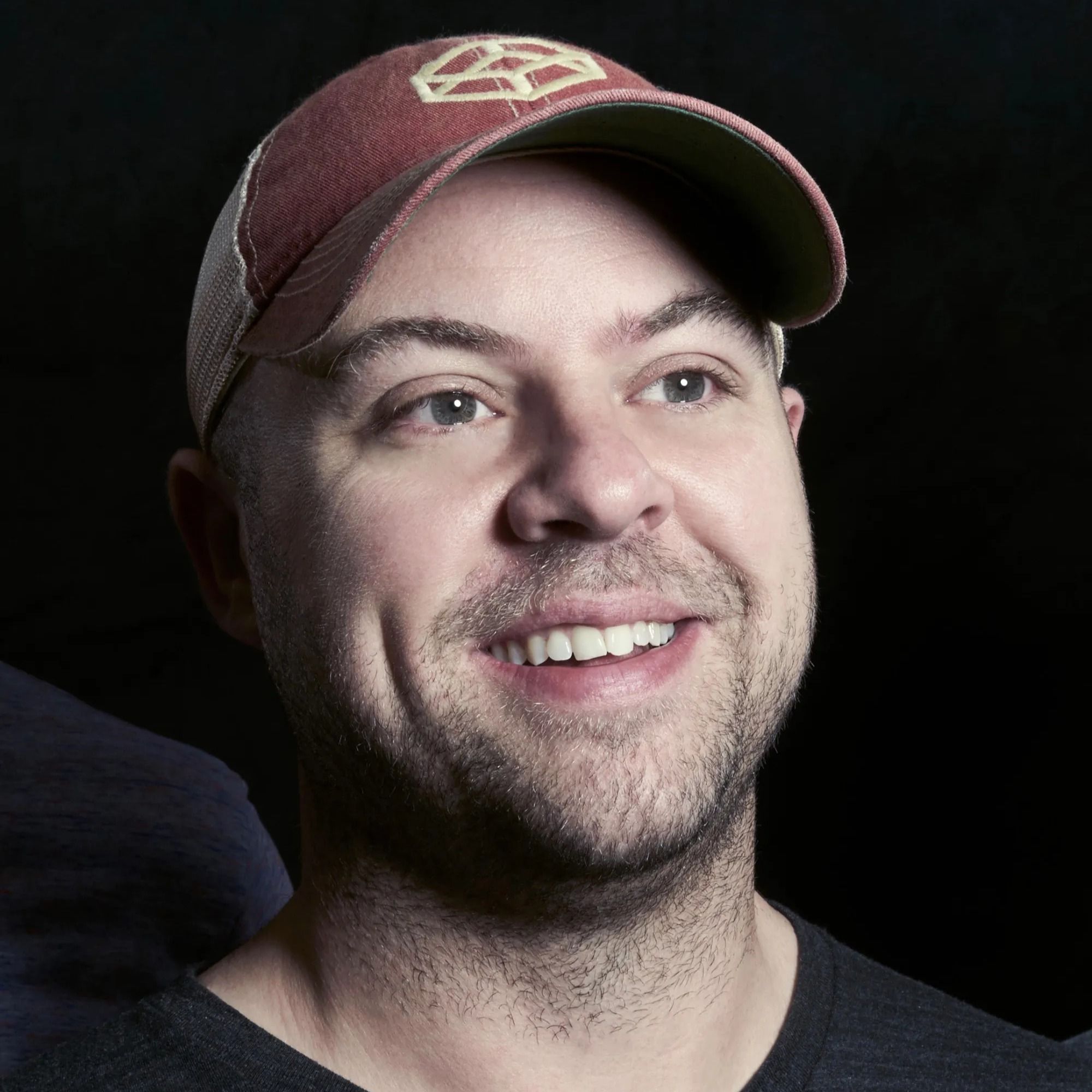 Chris Coyier: The Long Game of Maintaining CodePenMaintainable · on Ruby on Rails75 / 100
 Is Developer Relations Right for You? An Honest Breakdown With Fred Harper66 / 100
 Quitting the Plan: How One Developer Reinvented His Career from Scratch72 / 100
